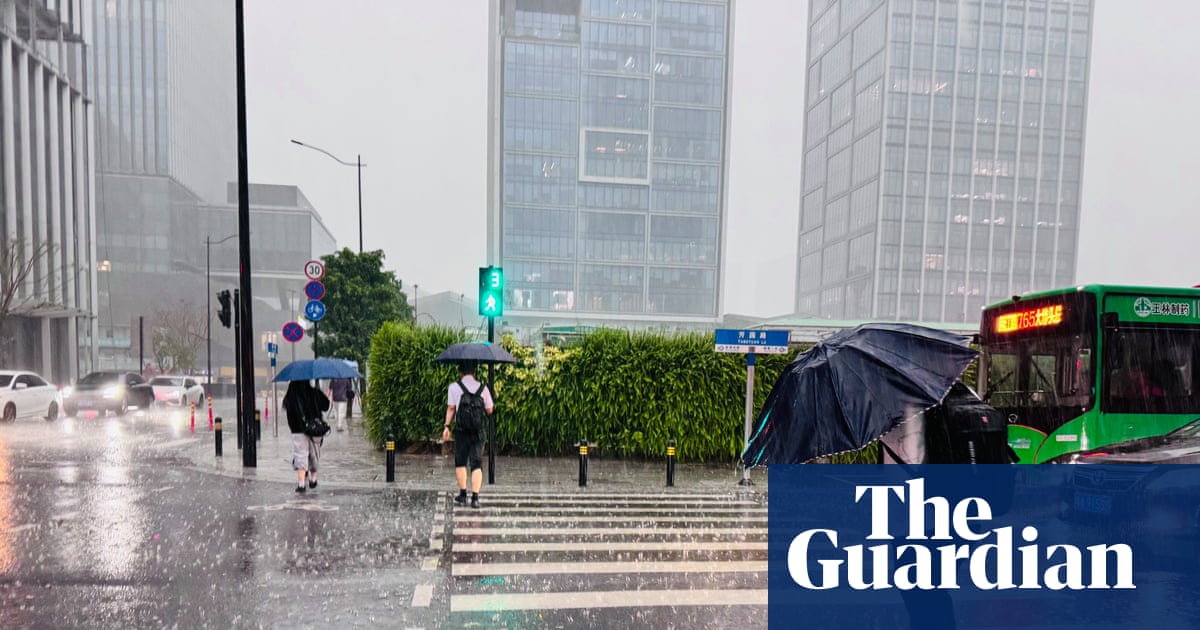
Heavy rain in southern China is expected to exceed 100mm across Guangxi, Guangdong, Fujian, Zhejiang, Jiangxi and Hunan, with some areas seeing 150-200mm and prompting flood-control meetings and emergency preparedness measures. Separately, up to 250mm of rain is forecast for Bangladesh, northern Myanmar and far eastern India, while central and northern India face temperatures as high as 45C and multiple heatwave alerts. Flooding has also damaged homes in Nigeria, and unseasonably cold weather in western Canada is bringing snow and below-freezing temperatures, making this a broad multi-region weather-risk event.
The near-term market effect is less about the rainfall itself and more about forced operational conservatism across provinces with exposed power, logistics, and industrial assets. The most attractive positioning is against businesses that depend on uninterrupted inland transport, construction progress, or municipal cash collection; even modest flood events can create a two-step hit from work stoppages now and higher remediation capex later. In China, the bigger second-order issue is credit: local governments and state-linked infrastructure operators often absorb the cleanup burden, which can quietly pressure already stretched balance sheets and delay new project starts.
The India heat setup is a different trade: it increases short-term demand for electricity, cooling equipment, and water logistics, but the duration matters more than the peak temperature. If the heat breaks within a week, this is a transient demand spike; if it persists into the next billing cycle, it raises the odds of grid strain, diesel backup generation, and margin pressure for energy-intensive industries. The key upside beneficiaries are electrical equipment, HVAC distributors, and select power generators with merchant exposure, while the losers are cement, steel, and outdoor consumer businesses facing productivity loss and demand deferral.
Bangladesh/northeast India flooding plus Nigeria's recurring drainage failures point to a broader EM resilience trade: the macro headline is agricultural and property damage, but the investable angle is sustained import demand for pumps, generators, electrical gear, and repair materials. This is where consensus is likely underpricing the persistence of replacement cycles; repeated weather damage can lift aftermarket revenue for years even when headline GDP impact is temporary. The contrarian view is that markets often overreact to the first storm week and underreact to the much slower capex cycle that follows, especially for utilities, insurers, and municipal contractors.
AI-powered research, real-time alerts, and portfolio analytics for institutional investors.
Request DemoOverall Sentiment
mildly negative
Sentiment Score
-0.12
