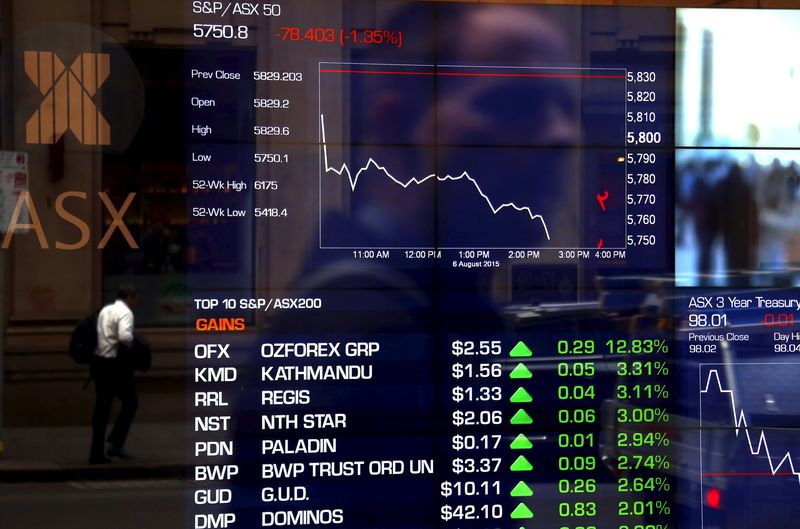
The S&P/ASX 200 rose 1.30% as gains in Metals & Mining, Materials and Financials lifted the market, while decliners were outnumbered by 643 to 496. Infratil surged 14.10% to an all-time high, while Magellan Financial Group fell 8.20% and JB Hi-Fi dropped 5.79%. Commodities were mixed, with June gold futures up 2.36% to $4,676.16 an ounce and crude oil down 1.81% to $100.42 a barrel; the S&P/ASX 200 VIX fell 4.54% to 12.27.
The market is pricing a rapid de-escalation in geopolitical risk, but the cleaner read is not “peace,” it’s a lower near-term probability of an oil-supply shock premium. That matters most for assets with duration to energy prices: lower crude should mechanically improve real incomes, reduce input-cost pressure, and keep the disinflation impulse alive over the next 1-3 months. The sharp drop in implied volatility also tells you positioning was crowded into hedges; when those come off, the first beneficiaries are usually rate-sensitive cyclicals and quality growth rather than the obvious energy shorts.
The second-order winner is not just airlines, transport, or consumers; it is the whole Australian domestic complex that had been implicitly discounting higher fuel costs and a tighter Fed/RBA path. A weaker USD plus firmer AUD is a subtle but important cross-asset signal: it tightens financial conditions less than headline equity strength suggests, and it can extend the bid for metals and risk assets if the oil move proves durable. Conversely, if the geopolitical story reverses, the market will reprice via volatility and currency first, not immediately through spot equities.
The contrarian risk is that the oil selloff may be too small if the market starts believing escort risk is structurally reduced, or too large if the pause is merely tactical. In that case, the likely unwind is a fast re-bid in Brent and gold over days, while ASX rate-sensitive winners give back quickly because the current rally is built on lower volatility rather than stronger earnings revisions. The key catalyst window is the next 1-2 weeks: any confirmation or denial of a deal will matter more than the initial headline.
From a portfolio perspective, this is an event-driven vol compression trade, not a thesis on long-term supply. The best expression is to own beneficiaries of cheaper energy and lower macro vol while financing with shorts in names whose earnings are most exposed to household/consumer stress and sticky funding costs. Keep size modest because the headline risk is binary and gaps will dominate mark-to-market.
AI-powered research, real-time alerts, and portfolio analytics for institutional investors.
Request DemoOverall Sentiment
neutral
Sentiment Score
0.15
