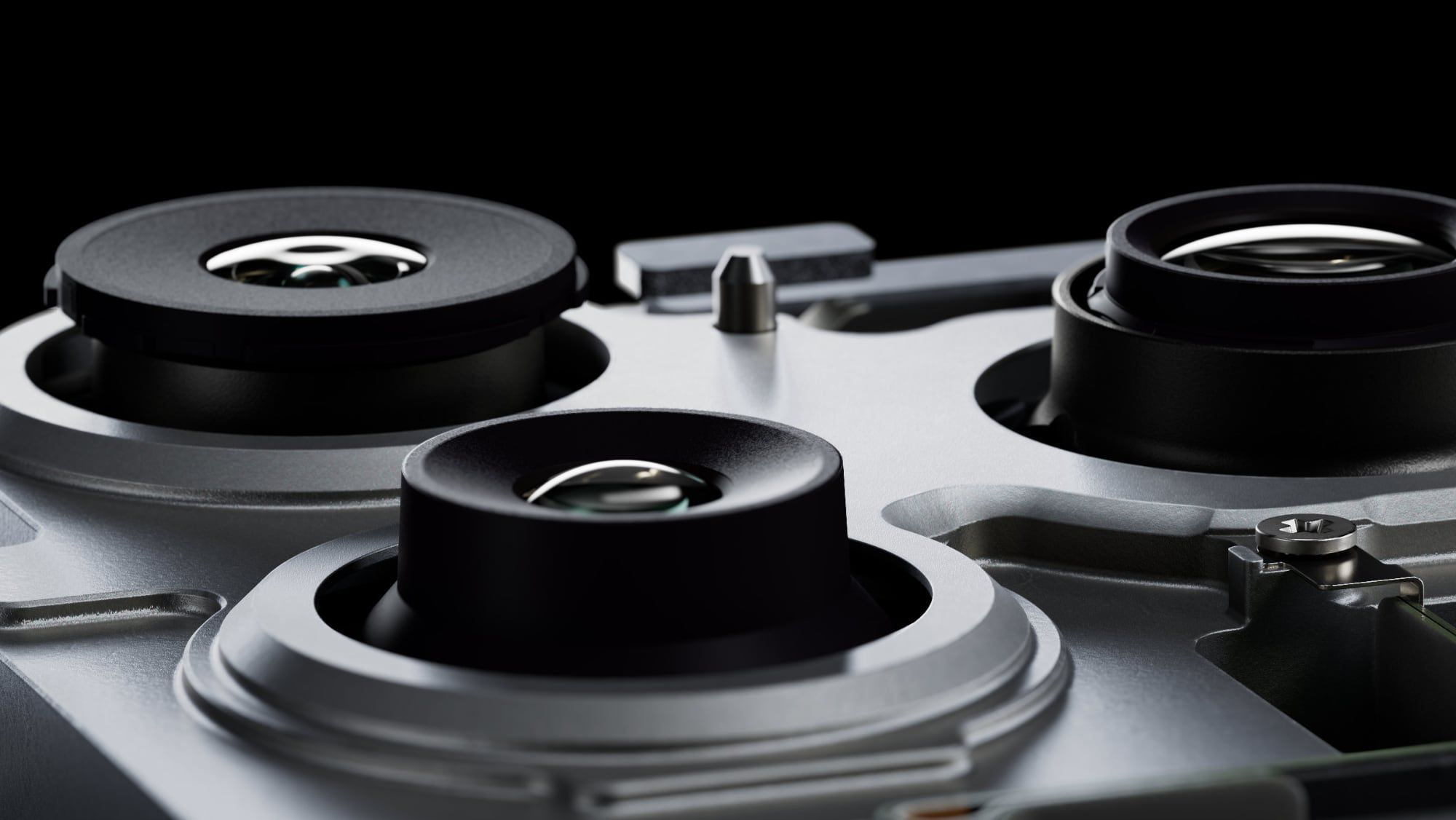
Apple is unlikely to add a 200-megapixel telephoto camera to the iPhone before 2028, despite prototype testing and prior speculation that it could arrive sooner. The report suggests Apple remains focused on optical flexibility and low-light performance rather than a jump in raw resolution. Morgan Stanley’s earlier 2028 timeline now broadly aligns with the latest supply-chain commentary.
This is not a near-term hardware catalyst for Apple; it is a signal that the company is still prioritizing image pipeline quality over spec-sheet escalation. That matters because the market tends to overestimate how much a megapixel step-up changes consumer upgrade behavior, while underestimating the value of Apple stretching the cadence of meaningful camera differentiation across multiple iPhone cycles. In practice, the most important financial effect is that Apple can continue using camera improvements as a premium-tier segmentation tool without forcing a premature bill-of-materials jump.
The second-order winner is likely the broader Android premium ecosystem, especially Samsung and Chinese OEMs that already use ultra-high-resolution sensors as an aspirational feature. If Apple stays conservative through 2028, rivals get a longer window to claim the “best spec” narrative, but history suggests that rarely translates into durable share gains unless paired with software and low-light superiority. For component suppliers, the bigger implication is not the sensor itself but the continued demand for larger apertures, periscope modules, and stabilisation parts; those vendors may benefit earlier than any 200MP sensor cycle.
For Apple, the key risk is not missing a camera race, but that expectations drift too high into the next upgrade cycle and then compress if the feature arrives later than bulls want. The share reaction should be muted over days, but the stock could still matter over months if the market had been underwriting a faster premium-refresh narrative. The contrarian view is that delay is actually positive: it preserves product relevance for a future super-cycle rather than spending the “big camera jump” too early, which could be strategically worth more than a headline-grabbing launch today.
The most interesting setup is relative-value, not outright direction. Apple should be less sensitive than the market assumes because camera headlines are low-signal for earnings, while Samsung and selected Android component suppliers may be more exposed to a plateau in spec-led differentiation if Apple continues to ignore the 200MP race. The event also reinforces that Apple’s hardware roadmap is becoming more incremental, which shifts attention toward services and AI monetization rather than a one-quarter product surprise.
AI-powered research, real-time alerts, and portfolio analytics for institutional investors.
Request TrialOverall Sentiment
neutral
Sentiment Score
0.05
Ticker Sentiment
