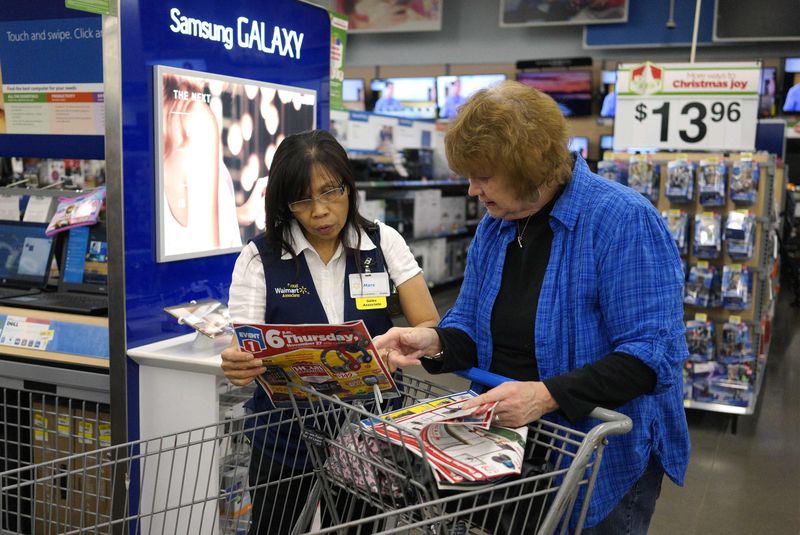
Jefferies reports that AI adoption is delivering tangible SG&A leverage and operational margin upside across U.S. retail—primarily via distribution-center automation, improved inventory forecasting and labor scheduling—with Walmart cited as the clear frontrunner. The firm flags a widening readiness/disclosure gap as big-box and discount chains publicize AI roadmaps while off-price and specialty retailers remain reserved, creating a potential discovery-driven market-share shift; limited evidence so far of large-scale retail job losses.
Scale winners will monetize AI as a quasi-fixed-cost lever: leaders with national DC footprints can convert incremental forecasting and labor-scheduling improvements into durable gross-margin and SG&A tailwinds, not one-off saves. Expect early DC-level uplifts visible in 3-12 months (fewer stockouts, 5-10% improved pick productivity) and discovery-driven share shifts to play out over 12-36 months as search and recommendation layers re-rank assortments.
Second-order supply-chain effects matter more than headline margin math. Improved turns and lower safety stock will compress working capital needs and shrink freight volatility, favoring retailers with tight DC-to-store networks and contract logistics partners that operationalize telematics/AI; conversely, outsourced/irregular supply chains (seasonal specialty brands, secondary-market sellers) face greater execution drag and higher markdown risk.
Key risks are integration and data quality rather than pure tech availability: poor master-data hygiene or mediocre UX will blunt AI's discovery edge and can make a leader’s advantage evaporate within 18 months as cloud-based tooling commoditizes. Regulatory and privacy pushback (personalization limits, anti-price-optimization scrutiny) are medium-tail risks that could shave 50-150bps off theoretical upside if they force conservative implementations.
Net: this is a two-speed market—scale-enabled grocers/discounts can compounding margin gains into FCF; specialty and off-price retailers face a bifurcated future where foot-traffic experience must substitute for weak discovery. Positioning should be time-phased: harvest operational wins short-term, defend against discovery-driven share loss over the medium-term.
AI-powered research, real-time alerts, and portfolio analytics for institutional investors.
Request DemoOverall Sentiment
mildly positive
Sentiment Score
0.20
Ticker Sentiment
