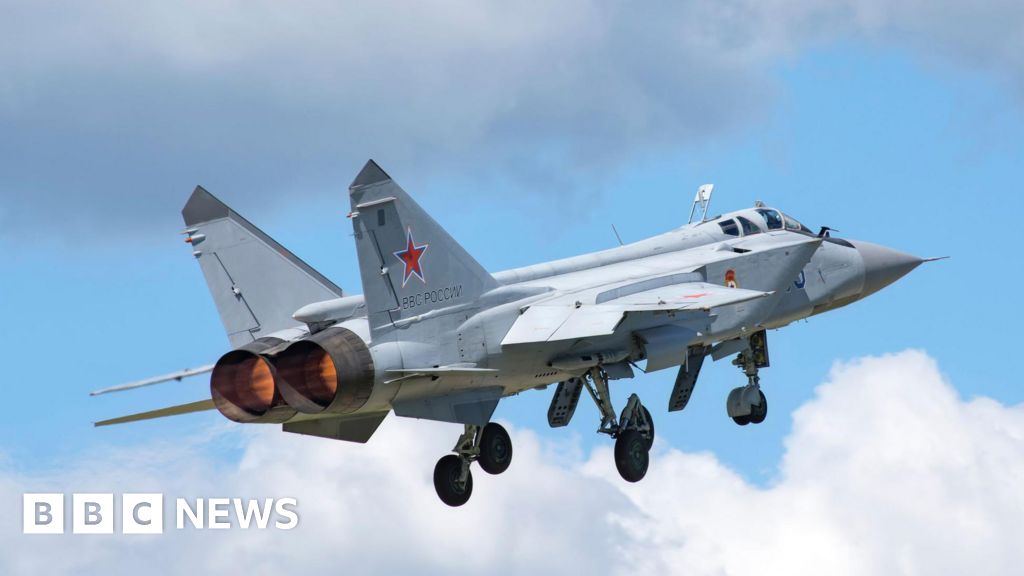
NATO intercepted three Russian MiG-31 fighter jets that violated Estonian airspace for 12 minutes, drawing strong condemnation from Estonia and EU leaders who labeled it a "dangerous provocation." This incident, following recent Russian incursions into Polish and Romanian airspace, underscores escalating tensions between Russia and NATO, prompting the alliance to reinforce its eastern flank and signaling a need for increased political and economic pressure on Moscow.
The interception of three Russian MiG-31 fighter jets over Estonian airspace marks a significant escalation in a pattern of provocations against NATO's eastern flank. This 12-minute incursion, conducted with transponders off, follows recent Russian drone violations in Poland and Romania, indicating a systematic testing of the alliance's response capabilities and political will. The diplomatic response from Estonia and the EU has been exceptionally strong, labeling the incident an "extremely dangerous provocation" and calling for increased political and economic pressure on Moscow. More tangibly, NATO is actively reinforcing its eastern border with troops and fighter jets from the UK, France, Germany, and Denmark. The high market impact score (0.7) and strong negative sentiment (-0.7) underscore that markets perceive this not as a minor incident, but as a material increase in geopolitical risk, elevating the probability of miscalculation and introducing a clear 'risk-off' tone for regional assets.
AI-powered research, real-time alerts, and portfolio analytics for institutional investors.
Request DemoOverall Sentiment
strongly negative
Sentiment Score
-0.70
