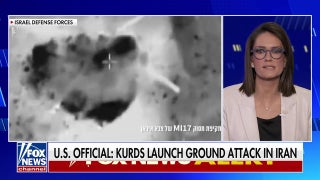
Seventy-four retired U.S. generals and admirals, in an open letter published by JINSA, endorsed joint U.S.-Israeli military operations (Operations Epic Fury and Roaring Lion) aimed at degrading Iran’s missile, air-defense and nuclear-related capabilities; prominent signatories include former senior commanders such as Adm. Edmund Giambastiani Jr. and Gen. Philip Breedlove. U.S. officials assert air superiority is being established while critics — including some Democratic lawmakers, France’s president and the U.N. secretary-general — warn the strikes risk broader regional escalation; the letter stresses coordination with partners and highlights Iran’s proxy network and alleged nuclear rebuilding efforts. For investors, the development raises near-term geopolitical risk premia and upside volatility for defense names, oil and shipping routes, while increasing the potential for risk-off flows until escalation dynamics and diplomatic responses clarify.
Market structure: Near-term winners are prime defense primes (Lockheed LMT, Northrop NOC, Raytheon RTX, GD) and energy producers/transport (XLE, short-term Brent), while commercial airlines (BA, DAL, LUV) tourism, and EM credits face pressure. Expect a 5–15% bid in defense suppliers over 1–3 months on repriced geopolitical risk and a 10–30% overnight oil/vessel-insurance premium shock if Hormuz disruptions occur.
Risk assessment: Tail scenarios include full regional escalation (oil >$120/bbl within 30 days), cyberattacks on Western infrastructure, or Russian/Chinese involvement, each capable of a >15% equity drawdown. Immediate window (days): volatility spike; short-term (weeks–months): revenue recognition lag for defense orders; long-term (quarters–years): higher real rates from sustained fiscal defense spending.
Trade implications: Favor short-dated option exposure to capture event-driven delta rather than long-duration equity re‑ratings; prefer 3–6 month calls on LMT/NOC/RTX with defined risk and small put protection on core beta. Cross-asset: buy GLD (1–2%) and VIX call spreads (0.5%) as hedges; increment energy exposure only if WTI sustains >$90 for 7 trading days.
Contrarian angles: Consensus likely overprices immediate defense wins; procurement-to-revenue timelines mean material top-line upside may lag 6–18 months — use options and pair trades to avoid paying for long-term multiples. If conflict contains quickly, oil and defense spikes should mean-revert in 4–8 weeks; set strict trim triggers (e.g., +20% in 4 weeks).
AI-powered research, real-time alerts, and portfolio analytics for institutional investors.
Request TrialOverall Sentiment
moderately negative
Sentiment Score
-0.55
