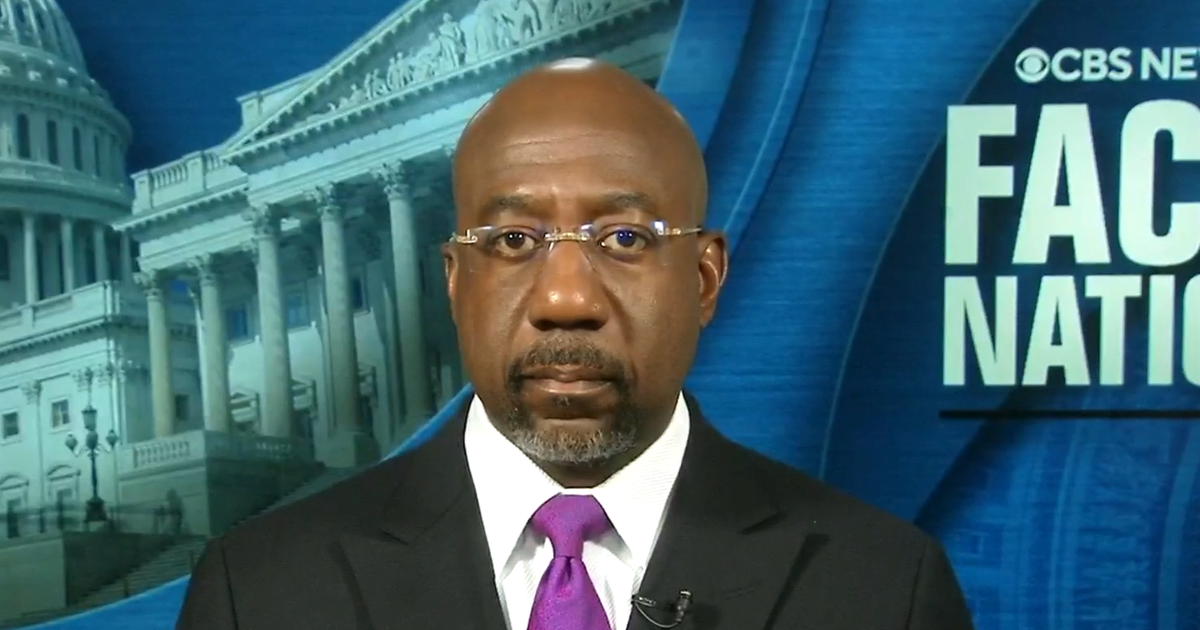
The Supreme Court’s decision narrowing Section 2 of the Voting Rights Act is a major setback for voting rights groups and is expected to make it harder to challenge congressional maps, especially in minority districts. Sen. Raphael Warnock called the ruling a "massive and devastating blow" and warned it could accelerate partisan redistricting across states including Louisiana, Tennessee, Texas, California, and Virginia. The decision carries meaningful implications for election law and redistricting battles, though it is not a direct market catalyst.
The marketable consequence is not ideology but map elasticity: this ruling lowers the legal cost of aggressive redistricting, which raises the expected seat payoff for states willing to move early. That creates a classic prisoner’s-dilemma dynamic where the first movers can lock in incremental House seats before courts, legislatures, or voter backlash catch up. The immediate beneficiaries are state-level political operators, election-law litigators, and media consultants; the economic losers are entities exposed to slower policy bargaining and more volatile federal governance, especially sectors dependent on stable appropriations or regulation.
Second-order, the biggest practical impact is on the probability distribution of Congress rather than any single district. A few extra safe seats can matter disproportionately in a narrow House majority, which increases the odds of legislative lurching, debt-ceiling brinkmanship, and less predictable outcomes on taxes, spending, and agency budgets over the next 12-24 months. That regime is mildly positive for volatility selling in names that benefit from gridlock, but negative for firms that need policy clarity to underwrite capex or reimbursement assumptions.
The contrarian read is that the headline fear may be front-running the real bottleneck: even with a friendlier legal backdrop, map changes are operationally slow, politically noisy, and vulnerable to state court intervention. Markets may be overestimating how many net seats can actually flip before the next cycle; the more durable trade is on higher governance volatility, not a binary partisan outcome. If the cycle produces only modest seat movement, the move in politically exposed assets could fade once the calendar risk shifts from court headlines to implementation risk.
AI-powered research, real-time alerts, and portfolio analytics for institutional investors.
Request DemoOverall Sentiment
strongly negative
Sentiment Score
-0.55
