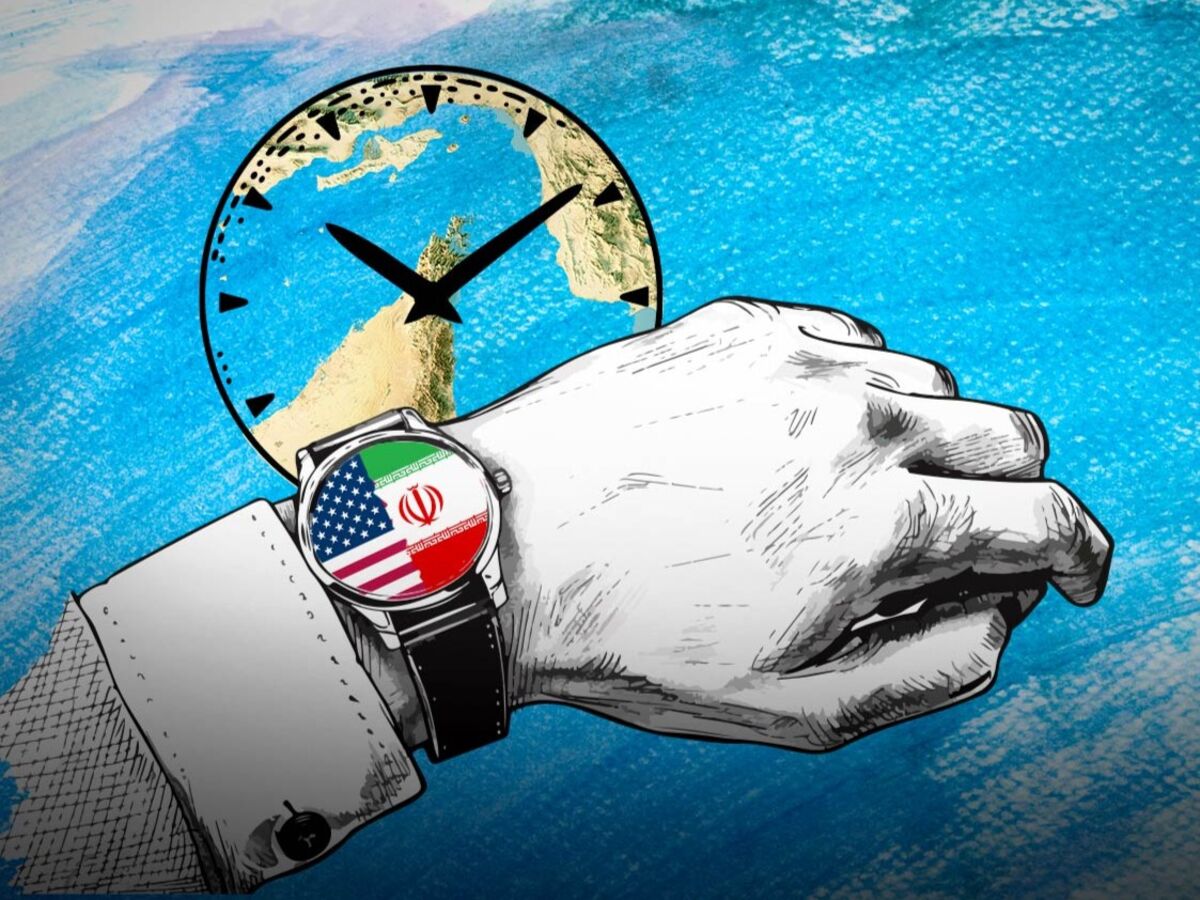
Iran is weighing a fresh US peace proposal that could reopen the Strait of Hormuz and lift the American naval blockade, with nuclear talks to follow later. The prospect of de-escalation sent oil prices lower as markets priced in reduced supply disruption risk. The development is highly market-relevant because it directly affects global energy flows and broader geopolitical risk.
The immediate market read is not just lower crude; it is a forced repricing of geopolitical tail risk. If the Strait of Hormuz risk premium bleeds out, the first-order losers are high-beta energy proxies and the second-order winners are anything energy-sensitive: airlines, chemicals, trucking, and select industrials that have been carrying higher input-cost assumptions for weeks. The more interesting angle is that a de-escalation would likely compress volatility faster than spot prices, which usually benefits short-vol structures in energy more than outright directional shorts.
The market may be underestimating how asymmetric the catalyst is for defense and shipping. A credible path to reopening maritime flows reduces urgency in defense procurement narratives tied to regional escalation, while also pressuring freight-related names that had begun to price in disruption insurance and rerouting costs. Conversely, any delay, ambiguity, or hardline response can snap the entire trade back within hours, because the unwind is driven by diplomacy headlines rather than physical barrel balances.
The second-order macro effect is on inflation expectations and rate-cut timing: even a modest relief in oil can matter at the margin for breakevens and consumer sentiment over the next 1-3 months. That creates a hidden loser in the “higher for longer” camp, but the move is likely too headline-driven for a clean macro thesis today unless crude sustains the break for several sessions. The contrarian view is that peace talk optionality is often overstated: reopening a chokepoint and lifting blockade conditions can fail operationally, so the market may be prematurely pricing a durable supply normalization that is not yet contractually secured.
AI-powered research, real-time alerts, and portfolio analytics for institutional investors.
Request DemoOverall Sentiment
mixed
Sentiment Score
0.15
Ticker Sentiment
