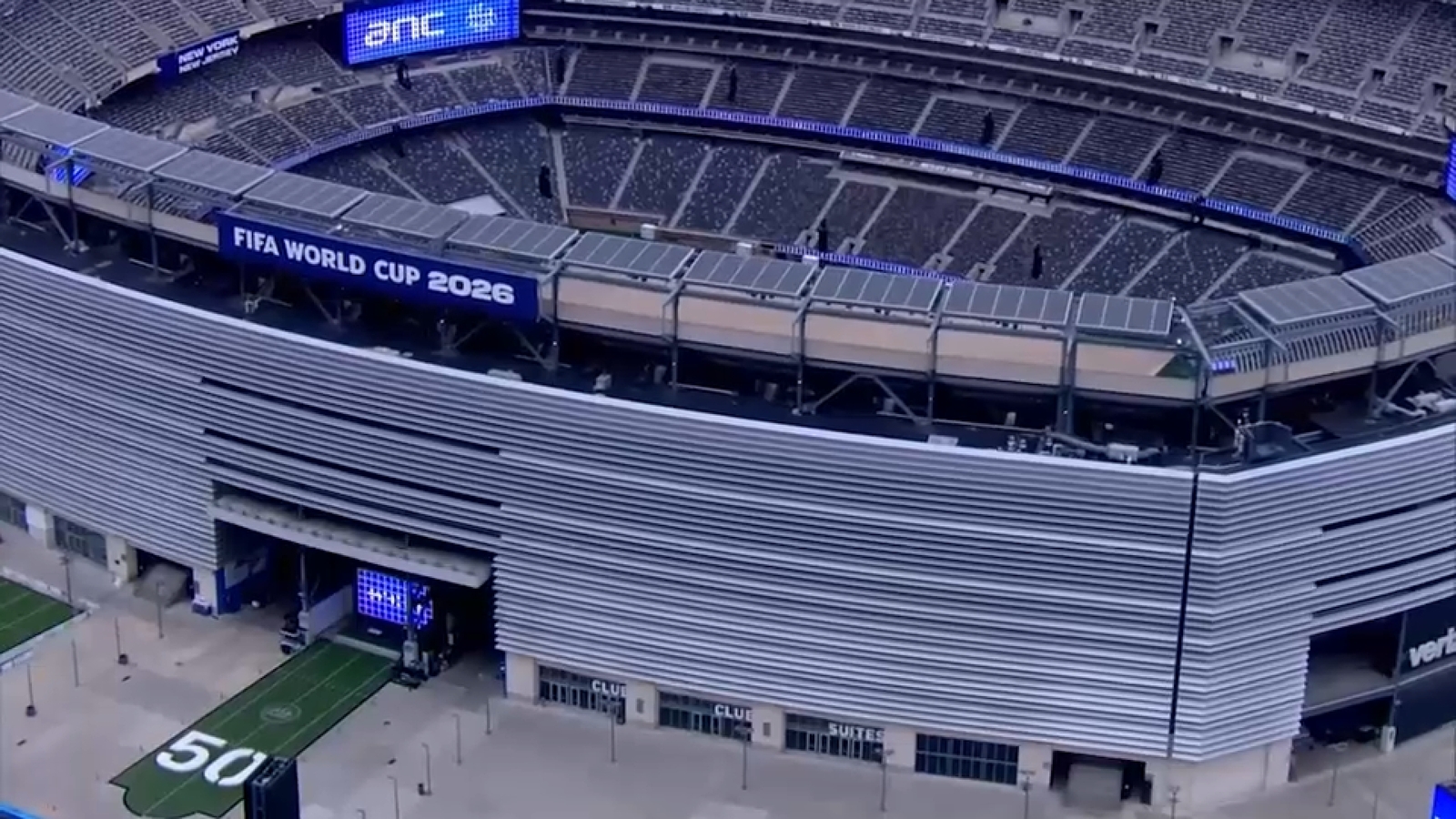
New York City secured 1,000 World Cup tickets at $50 each, the cheapest available, to be distributed by ballot to residents, along with free round-trip bus travel to MetLife Stadium. The program covers seven matches, including five group-stage games, a round of 32, and a round of 16, but excludes the July 19 final. The initiative is aimed at making the tournament more accessible to working-class New Yorkers and was negotiated with FIFA.
This is a small but useful political signal for MET: the venue owner is effectively being pulled into a public-affordability narrative, which should marginally improve local goodwill and reduce the odds of hostile messaging around pricing or access into the event window. The economic impact is immaterial to MetLife’s earnings, but the optics matter because large venue operators increasingly get judged on perceived inclusivity rather than pure yield maximization.
The second-order effect is on mix, not demand. A token low-price allocation does not change the broader World Cup monetization curve, but it slightly lowers the risk that the event becomes a pure corporate/VIP exercise, which can matter for public relations, permit friction, and downstream sponsorship tone. The real beneficiary may be NYC’s political leadership, which is using the tournament to reinforce a labor/working-class brand ahead of future budget and policy fights; for MET, that reduces reputational friction around being the high-end asset in the middle of a politically sensitive event.
The market is likely overestimating any financial relevance to MET because the headline sounds economically meaningful while the ticket pool is tiny. The only true risk to underwrite is operational: if the city continues to intervene on access, traffic, transit, or anti-resale controls, it could modestly increase event-day complexity and reduce concession upside, but that is a days-to-weeks issue, not a structural one. For the stock, this reads as noise unless it foreshadows broader price caps or concessions requests on future major events.
Contrarian take: the story is less about discounting than about control. If public officials prove they can secure allocations and shape fan flow for marquee events, the precedent could matter more than the 1,000 tickets themselves, especially for future stadium negotiations and major-event economics. That is a subtle negative for venue pricing power over a multi-year horizon, but it is too small to trade directly unless repeated across multiple events.
AI-powered research, real-time alerts, and portfolio analytics for institutional investors.
Request DemoOverall Sentiment
mildly positive
Sentiment Score
0.15
Ticker Sentiment
