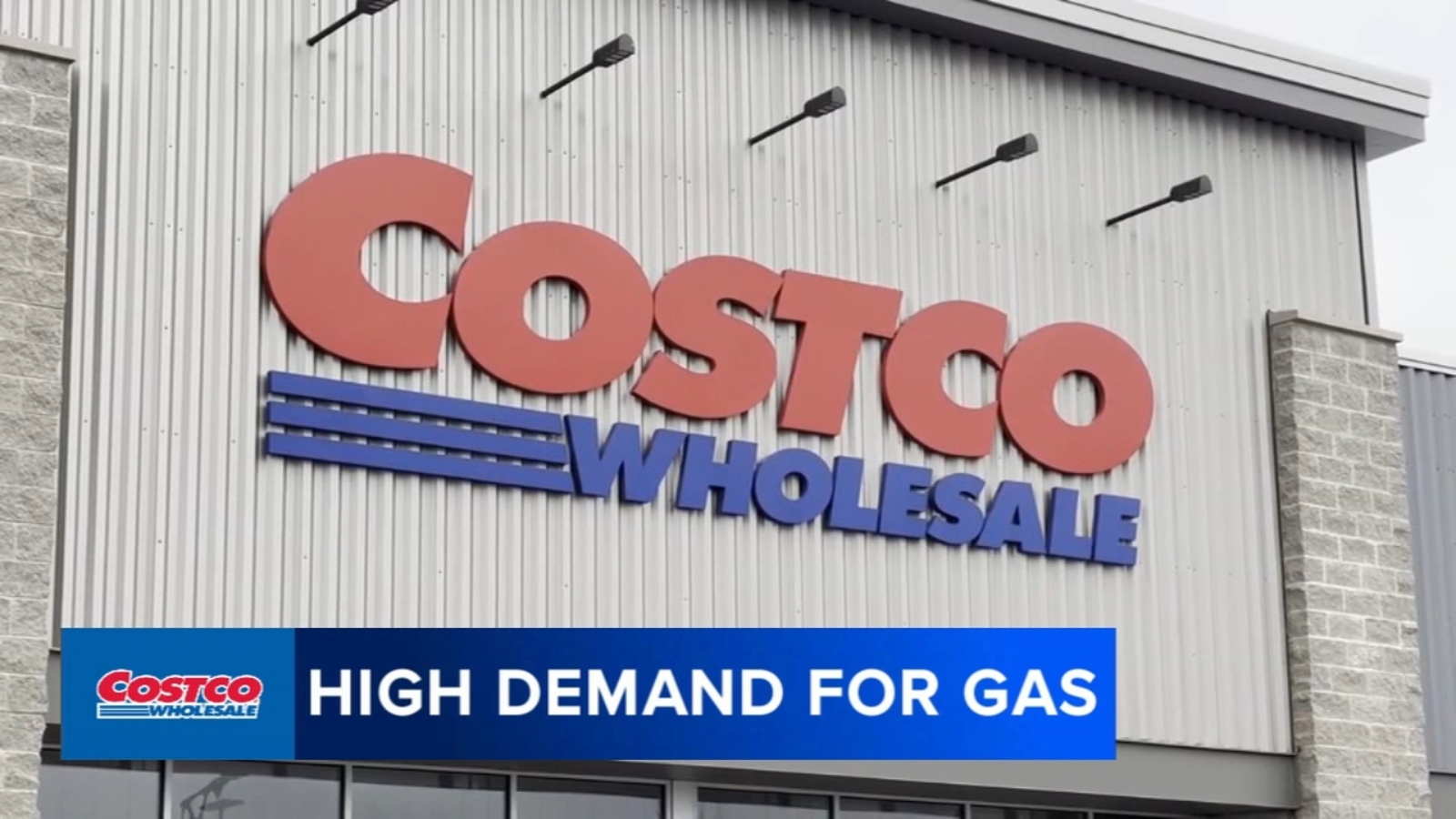
Costco said gas demand is at a 50-year high, with many stations requiring multiple tanker-truck deliveries per day and fuel sales accounting for 10% of overall sales last year. Lower gas prices cut 2025 gas sales by $2.3 billion, but the traffic drove about 5% higher warehouse footfall as roughly half of gas customers also shop in-store. Management sees gas as a long-term loyalty driver, though analysts and investors remain skeptical and the stock fell nearly 4% Friday.
The key second-order effect is that fuel inflation is turning Costco’s gas network into a traffic acquisition engine, not just a margin-neutral convenience. The incremental basket lift from members who come for fuel and walk into the warehouse should matter more than the direct spread on gasoline, because it improves the productivity of existing real estate without requiring meaningful capex. That creates a subtle advantage over club and grocery peers: Costco can monetize a structurally worse pricing environment at the pump by converting it into higher trip frequency and larger baskets inside the store.
The market may be over-focusing on the near-term gross margin drag from cheaper fuel and underappreciating the elasticity of membership value perception. In a period when households are being forced to optimize every dollar, the brand’s “best-value” reputation becomes self-reinforcing, which supports renewal rates and makes price increases on membership fees easier to execute later. The real durability question is not gas; it is whether Costco can keep converting fuel traffic into non-fuel spend after gasoline normalizes, because the current setup is likely a cyclical tailwind that can fade in 2-4 quarters.
The loser set is broader than independent fuel retailers. Convenience-store chains and supermarket fuel programs lose share when the consumer becomes more price-sensitive, and the comp effect can spill into adjacent categories if Costco’s traffic gains persist. On the supply side, tanker-truck resupply frequency hints at unusually tight local demand at Costco-specific sites, but that also raises operating complexity and may create localized service failures if demand spikes outrun logistics, which could temporarily cap the benefit.
Consensus appears to be treating this as a low-quality margin story, but the better framing is traffic-led operating leverage. If the warehouse basket lift holds even after gasoline eases, the stock’s post-earnings weakness may be a better entry point than a warning sign. The risk is that fuel prices roll over faster than the customer-traffic conversion can be proven, at which point the market will re-rate the episode as a transient macro anecdote rather than a sustainable loyalty gain.
AI-powered research, real-time alerts, and portfolio analytics for institutional investors.
Request TrialOverall Sentiment
neutral
Sentiment Score
0.15
Ticker Sentiment
