
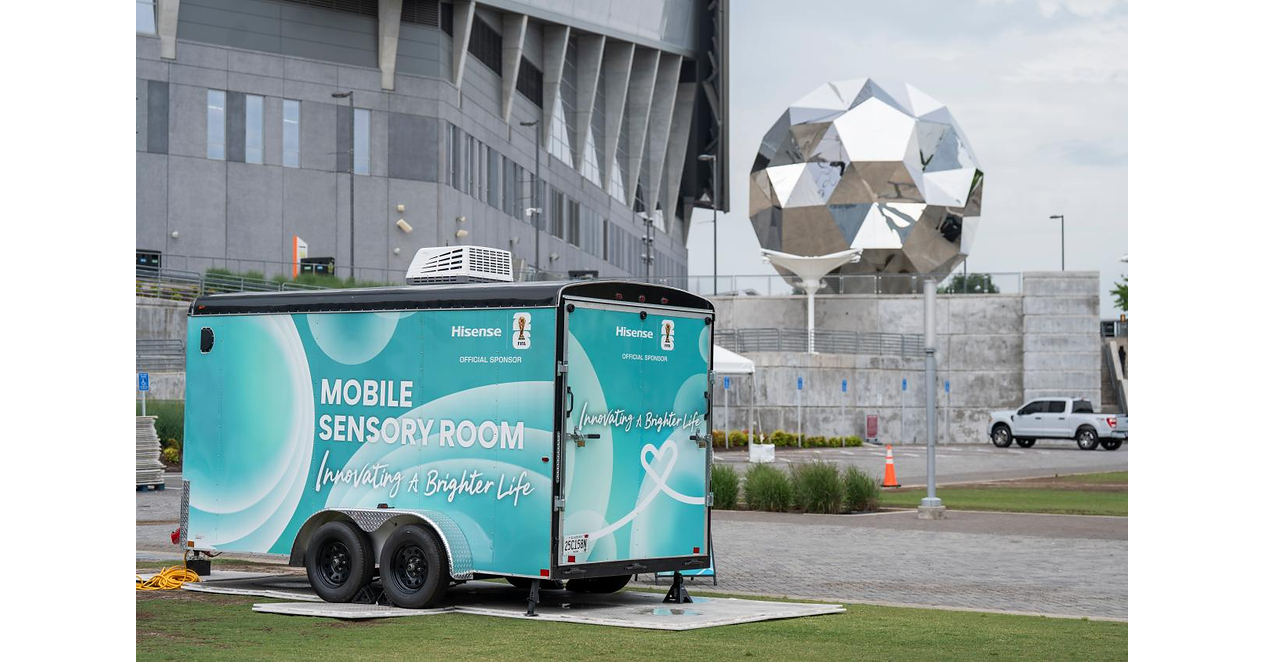
Hisense is partnering with FIFA and KultureCity to improve accessibility for fans with sensory sensitivities at all 16 FIFA World Cup 2026 host cities, deploying mobile sensory vehicles and dedicated sensory rooms featuring calming Hisense display visuals. The initiative aims to make matchday experiences more manageable for individuals (including people with autism) by providing spaces to pause and regulate stimulation. This is a positive brand/ESG engagement update with limited expected near-term market impact.
This reads as brand monetization, not a measurable earnings catalyst. For HISEF, the only investable mechanism is whether World Cup association improves premium TV sell-through, but that effect is usually diffuse and delayed; in the next 1-3 months it is more likely to move sentiment than revenue. If the campaign works, the second-order winner is not the stadium activation itself but the adjacent premium display category, where shelf-space and retail co-marketing matter more than one-off ESG optics.
The competitive angle is more interesting than the headline implies. Accessibility-led activation is a low-cost way to borrow trust from FIFA/KultureCity and can slightly improve Hisense's positioning versus TCL and other value-led TV brands, but that only translates if distributors believe the brand can sustain higher ASPs. The risk is that investors over-attribute CSR theater to franchise value; if channel checks do not show better mix or lower promo intensity, this fades quickly.
Contrarian view: the market may underappreciate how much of sponsor ROI comes from long-tail brand reinforcement in large-screen categories, especially in the 6-18 month window around major sporting events. But the base rate is still low: unless management later quantifies incremental shipments, gross margin, or retail share gains, this is not a reason to re-rate the stock. The thesis is falsified if post-event data show no improvement in premium TV ASPs or if sponsorship spend expands faster than the brand benefit.
AI-powered research, real-time alerts, and portfolio analytics for institutional investors.
Overall Sentiment
mildly positive
Sentiment Score
0.15
Ticker Sentiment
