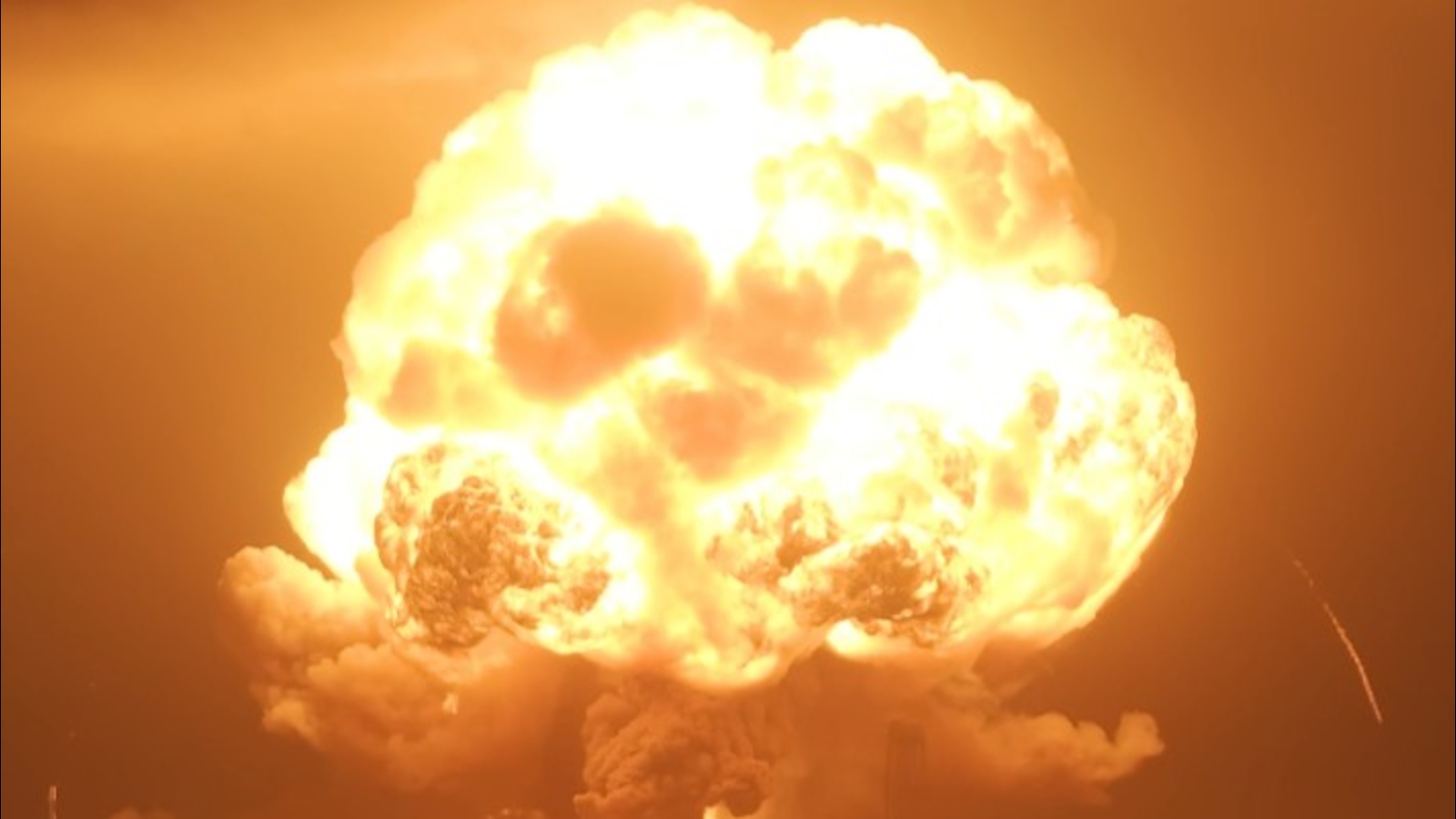
Blue Origin’s New Glenn suffered an anomaly and exploded during a static fire test at Cape Canaveral, setting back an upcoming mission that was intended to carry 48 Amazon satellites into low-Earth orbit. The incident follows an earlier failed mission and raises execution risk for the company’s heavy-lift launch program, which is also tied to NASA lunar lander contracts for Artemis and Moon Base. All personnel were reported safe, but the failure likely delays near-term launch plans and could weigh on partner confidence.
This is not just a one-off launch failure; it increases the probability of a slower, more expensive ramp for the entire heavy-lift stack that underpins Amazon’s satellite deployment plan. The near-term market impact on AMZN is limited in revenue terms, but the strategic value is larger: every month of launch delay compresses the payoff window for the constellation and raises the odds that the program becomes more capital-intensive than originally modeled.
The second-order loser is the broader space services ecosystem. A launch cadence interruption tends to cascade into ground-system vendors, propulsion suppliers, and downstream integrators that were expecting a cleaner manifest; the pain usually shows up first in FY+1 guide cuts and schedule slippage rather than immediate earnings misses. On the flip side, competitors with already-proven launch reliability gain relative share in manifest allocation and pricing leverage if customers start paying up for schedule certainty.
From a portfolio standpoint, the key risk is not the headline blast itself but the duration of the investigation cycle and whether the root cause indicates a systemic design issue versus a manufacturing/process defect. If the issue is vehicle-specific, the stock reaction in AMZN should fade quickly; if it implies a broader launch-stack problem, the drag becomes a multi-quarter overhang and could force rephasing of satellite deployment assumptions. The market is likely underpricing the option value of delay because the first-order optics are noisy but the financial impact is mostly hidden in deferred operating leverage.
Contrarian view: this may be a better buying opportunity in AMZN than the headline suggests if investors extrapolate one technical failure into a permanent setback. Amazon can absorb timing noise far more easily than smaller space peers, and the strategic payoff from a successful constellation remains intact if the fix is contained. The more interesting trade may be relative value: short the fragile parts of the space-launch supply chain while staying neutral-to-slightly long AMZN on any overreaction.
AI-powered research, real-time alerts, and portfolio analytics for institutional investors.
Request DemoOverall Sentiment
strongly negative
Sentiment Score
-0.62
Ticker Sentiment
