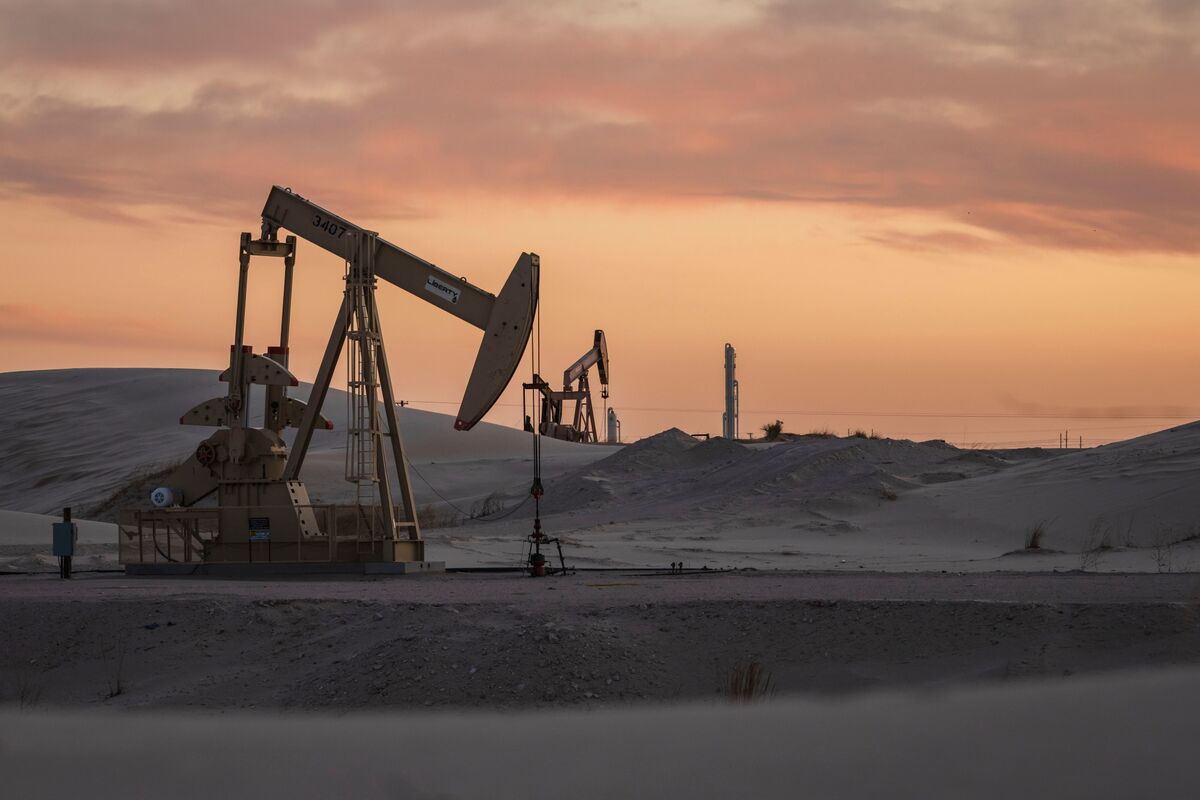
Geopolitical tensions in the Middle East, specifically involving the US and Iran, are no longer driving oil prices significantly higher, a notable departure from historical market reactions. This shift is primarily attributed to the United States' emergence as the world's largest oil producer, which has fundamentally reshaped global oil markets and reduced the traditional market risk associated with regional conflicts.
A significant structural shift has occurred in the global energy market, breaking the long-standing correlation between geopolitical conflict in the Middle East and sharp increases in oil prices. The primary driver of this change is the ascent of the United States to the position of the world's largest oil producer. This new dynamic, as highlighted by the lack of a price surge amid recent US-Iran tensions, indicates that substantial US production now serves as a crucial mitigating factor against supply disruptions. Consequently, the geopolitical risk premium typically priced into crude oil during such conflicts has been demonstrably reduced, fundamentally altering the risk calculus for the energy sector and global markets.
AI-powered research, real-time alerts, and portfolio analytics for institutional investors.
Request DemoOverall Sentiment
moderately positive
Sentiment Score
0.60
Ticker Sentiment
