President Trump signed an executive order retroactively lowering "reciprocal" tariffs on key agricultural imports, including coffee, beef, and bananas, which had previously contributed to significant price increases, such as a 20% year-over-year rise in coffee prices. While not eliminating all tariffs, this action aims to alleviate consumer costs for goods largely not produced domestically, following recent voter dissatisfaction with the economy. Concurrently, the administration also announced a new trade framework with Switzerland, reducing tariffs on Swiss goods from 39% to 15%, signaling ongoing, albeit varied, adjustments to trade policy.
President Trump signed an executive order retroactively lowering "reciprocal" tariffs on key agricultural imports such as beef, coffee, and bananas, effective Thursday. This action directly addresses significant consumer price increases, exemplified by the nearly 20% year-over-year rise in coffee prices by September, largely attributed to previous 50% tariffs on Brazilian imports. The move follows recent voter dissatisfaction with the economy, as evidenced by off-year election results.
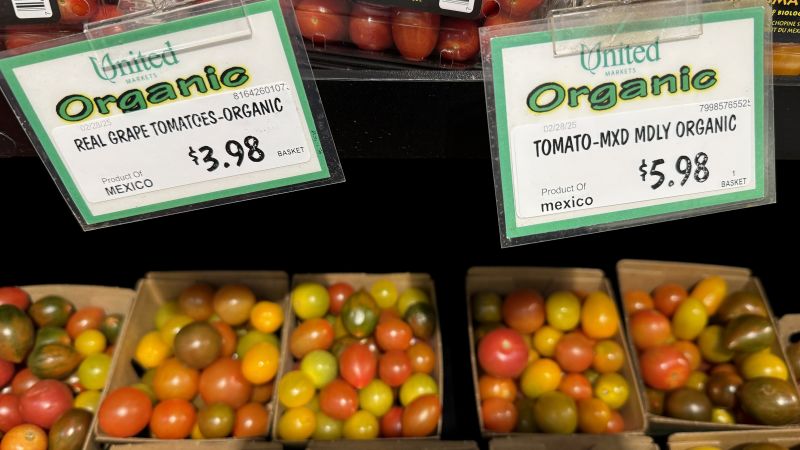
While the order reduces "reciprocal" tariffs, it does not eliminate all duties; Mexican tomatoes, for example, will continue to face a 17% tariff, which previously caused immediate price increases. Treasury Secretary Scott Bessent indicated the policy targets goods not primarily grown domestically, aiming for consumer relief on imported necessities. This strategic adjustment suggests a focus on mitigating inflation for essential consumer goods.
Concurrently, the administration announced a new trade framework with Switzerland, significantly reducing tariffs on Swiss goods from 39% to 15%. This broader policy shift, alongside the agricultural tariff adjustments, signals a dynamic and politically influenced approach to U.S. trade relations and domestic economic concerns. The varied nature of these tariff changes highlights a nuanced strategy rather than a blanket reversal of protectionist policies.
AI-powered research, real-time alerts, and portfolio analytics for institutional investors.
Overall Sentiment
moderately positive
Sentiment Score
0.50
