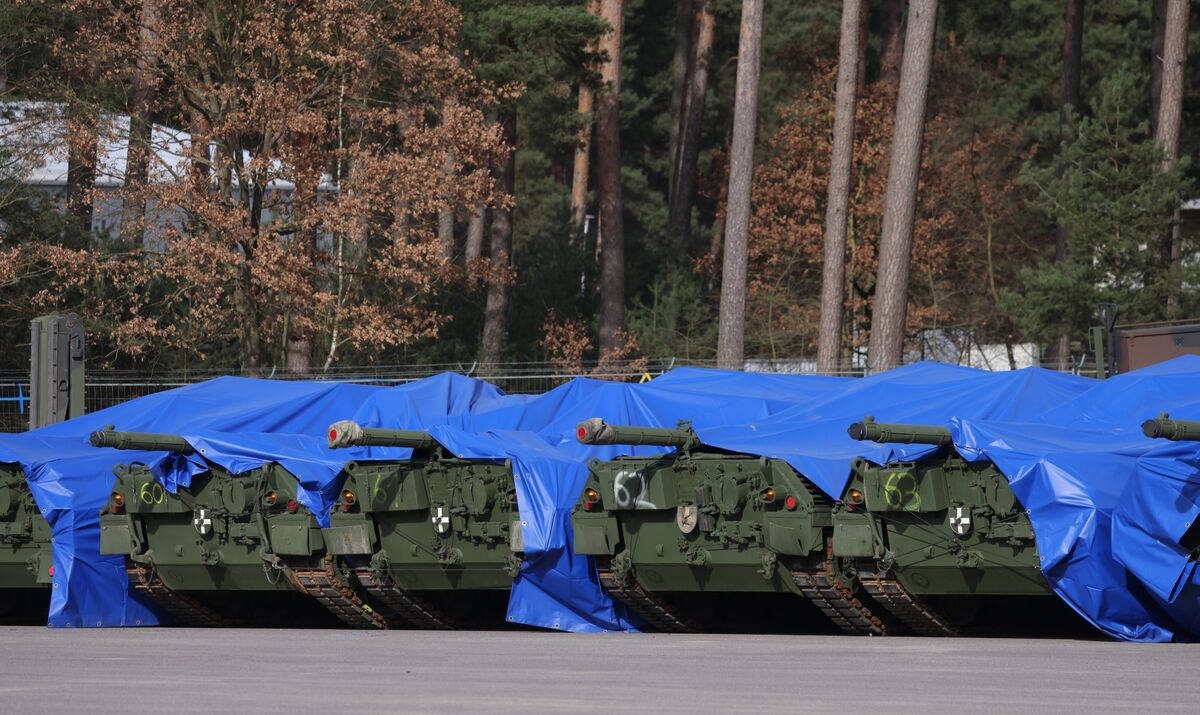
Europe’s defense spending boom is spilling into real estate, with Sirius Real Estate spending nearly €100 million ($117 million) on a German business park in Kiel that houses Rheinmetall. Leasing demand is also rising from defense-related tenants, including an Airbus supplier near Hanover and the UK Ministry of Defence near Swindon. The article suggests a growing pipeline of industrial, storage and development demand tied to higher European defense budgets.
The first-order trade is not in defense primes; it is in the real assets that sit one step down the capital stack: light industrial parks, warehouse/logistics, and flexible manufacturing space near defense corridors. Defense spending is unusually sticky once programs are appropriated, so the lease-up effect can compound over multiple budget cycles rather than fade after the initial headline burst. The secondary beneficiaries are landlords with existing permitting, power access, and hardened facilities, because new-build supply is constrained by zoning, utility lead times, and security requirements that favor incumbents.
The more interesting second-order effect is a repricing of “strategic vacancy.” Defense tenants value location, resilience, and security over pure rent optimization, which can widen effective rents for specialized assets even in weaker macro conditions. That should also pull capital toward industrial REITs and private real estate funds that can retrofit older stock into dual-use space. Suppliers to defense OEMs are likely to follow the primes into adjacent space needs, so the wave may broaden from storage to fabrication, testing, and drone-related micro-manufacturing.
The main risk is timing: leasing demand can show up in months, but cash flow realization depends on refurbishment capex, lease negotiations, and government procurement cadence, so the market may front-run fundamentals by 6-12 months. If fiscal pressure forces slower European budget execution, or if energy costs and financing rates stay high, some of the demand gets deferred rather than cancelled. A harder reversal would require a policy shift toward centralized military facilities instead of dispersed private-sector outsourcing.
Consensus is probably underestimating how scarce truly “defense-grade” industrial space is, but overestimating how much of the upside accrues to generic broad-market REITs. The best risk/reward is in niche owners with German/UK exposure and existing tenant relationships; the worst is paying up for broad industrial names without a differentiating asset mix. This is a selective, not thematic-allocation, opportunity.
AI-powered research, real-time alerts, and portfolio analytics for institutional investors.
Request DemoOverall Sentiment
mildly positive
Sentiment Score
0.35
