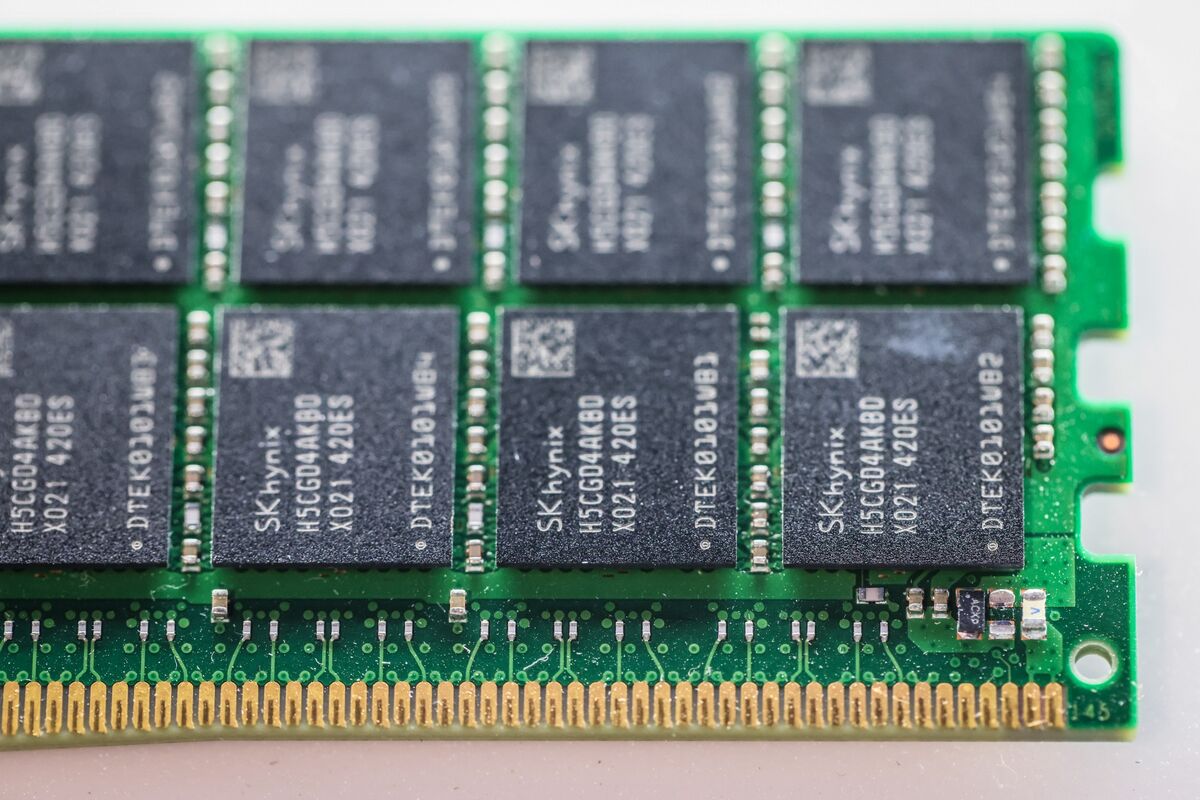
SK Hynix’s new U.S. ADRs start trading for the first time on Friday, removing the historical premium-to-local-share benchmark arbitrage desks relied on for TSMC. Without prior trading history, arbitrageurs face a harder task in judging when the ADR spread is attractive versus stretched. The change is likely to create short-term trading friction around SK Hynix ADR pricing.
This is a market-structure event, not a fundamentals event. The edge is in plumbing: without a long ADR history, dealers cannot anchor a fair premium, so the opening weeks are likely to be driven by inventory scarcity, borrow availability, and FX hedging costs rather than true underlying value. That tends to create wider bid/ask, more persistent dislocations, and a higher probability of “rich stays rich” behavior than a classic mean-reversion arb desk expects.
The main second-order effect is on relative-value capital allocation across Asian semiconductor wrappers. A successful launch can pull incremental US demand toward the new ADR while forcing hedgers to source local shares or substitutes, which may temporarily tighten liquidity in the underlying market and increase tracking error for cross-listed semi baskets. For TSM, the impact is indirect: any sympathy move would be technical and likely fades unless the broader semi tape weakens; this does not change TSM’s earnings path or wafer demand outlook.
The consensus risk is overconfidence in TSM-style comparability. TSM’s premium is a mature equilibrium; SK Hynix is a new equilibrium with less reliable settlement, borrow, and flow behavior, so the first 1-3 months are more about price discovery than arbitrage. The contrarian setup is that the premium may stay elevated longer than models expect if US institutional demand is sticky and borrow remains tight; the counter-risk is that once novelty fades and supply normalizes, any launch premium can compress sharply over 6-18 months.
AI-powered research, real-time alerts, and portfolio analytics for institutional investors.
Request DemoOverall Sentiment
mildly negative
Sentiment Score
-0.18
Ticker Sentiment
