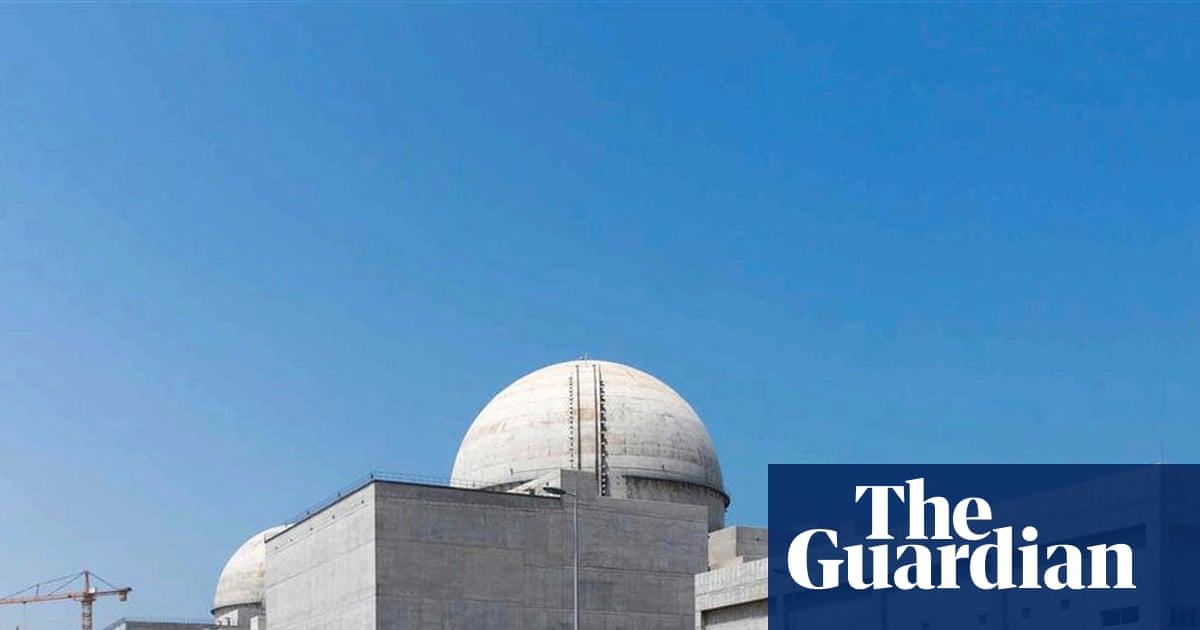
A drone strike near the Barakah nuclear plant in the UAE sparked a fire outside the facility’s inner perimeter, with no injuries or radiation alerts reported. The UAE blamed Iran or one of its proxies, calling it a dangerous escalation, while tensions remain elevated amid stalled Iran peace talks and speculation the war could restart. The incident raises regional security and energy-risk concerns and could increase volatility across Gulf assets.
This is less about the immediate physical damage and more about the regime shift in perceived escalation control: once a drone can reach the perimeter of a nuclear-adjacent site in the UAE, the market has to reprice Gulf infrastructure security premiums across power, desalination, airports, LNG, and ports. The first-order impact is a higher embedded risk premium for any asset that depends on uninterrupted Gulf operations; the second-order impact is that insurers, shipping contracts, and EPC timelines in the region likely tighten within days, even if crude does not move materially on the headline.
The bigger catalyst is political, not operational. Stalled diplomacy plus public impatience from Washington increases the odds of a misread signal or retaliatory cycle over the next 1-3 weeks, and that tail risk is asymmetric because the market is currently conditioned to fade headlines until infrastructure is hit. If this develops into a broader exchange, the most fragile exposures are not the obvious energy producers but the downstream beneficiaries of regional stability: airlines, regional banks, logistics, and select industrials with Middle East revenue concentration.
The contrarian angle is that this may ultimately be bullish for the UAE’s own strategic positioning. A direct threat to critical infrastructure tends to accelerate defense procurement, integrated air-defense spending, and nuclear-security budgets, while pushing Abu Dhabi closer to Washington and Tel Aviv on intelligence sharing. In that scenario, the trade is not simply “sell the Gulf”; it is to own the security stack and defensive assets while fading complacency in sectors that assume the region will remain an unpriced transit corridor.
I would treat the next 48 hours as a headline-risk window, but the 1-3 month risk is a sustained repricing of regional geopolitical volatility if retaliation follows. The key reversal trigger is a credible de-escalation channel plus verified restraint from both sides; absent that, every additional incident compounds the probability of a broader restart and keeps implied volatility elevated even if spot prices barely react.
AI-powered research, real-time alerts, and portfolio analytics for institutional investors.
Request DemoOverall Sentiment
strongly negative
Sentiment Score
-0.72
