

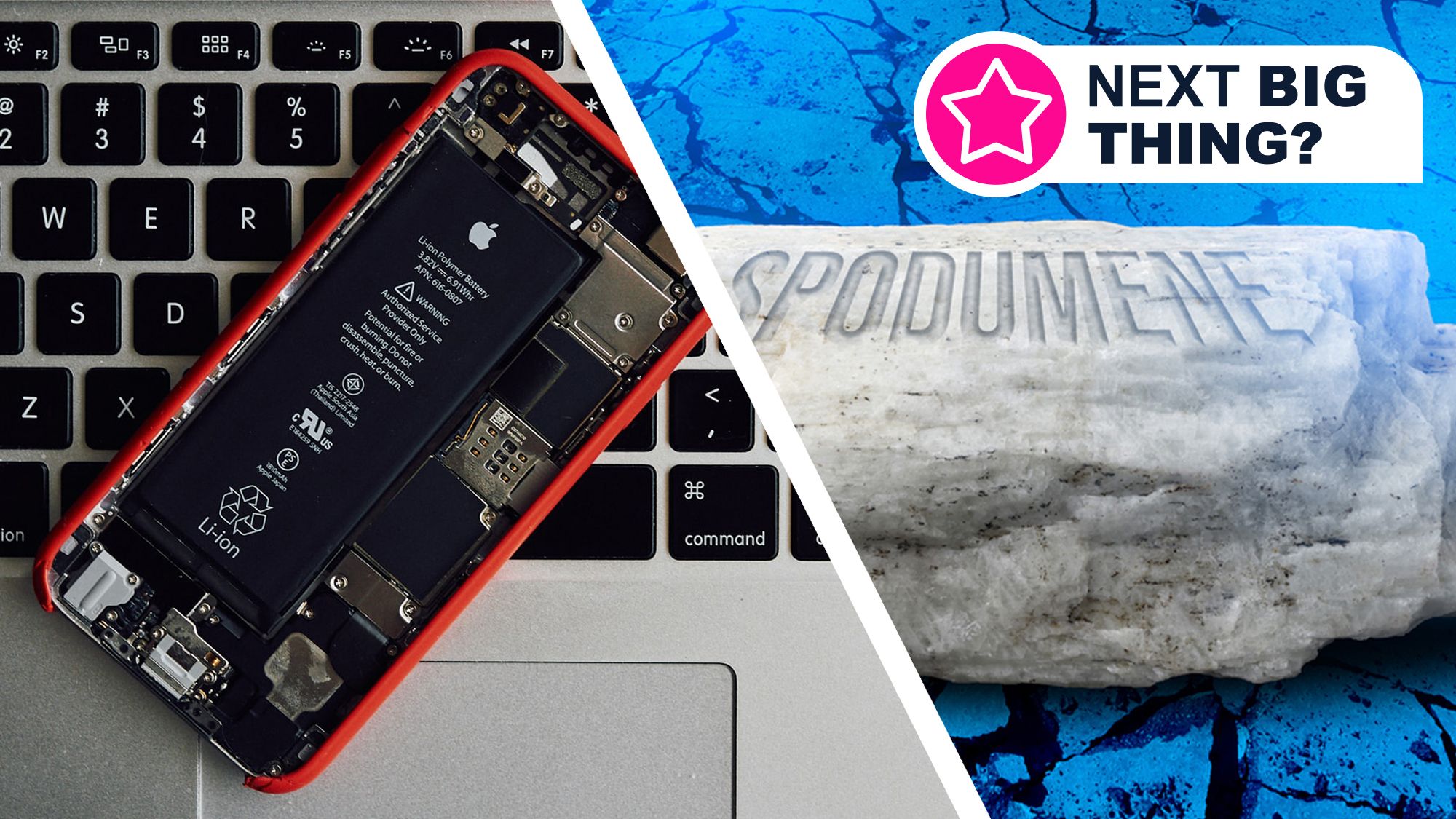
MIT researchers developed a new lithium extraction process for hard rock that works at room temperature and is about 50% cheaper than current methods. The technique also enables reuse of the liquid solution and repurposing of waste, potentially lowering energy use and improving sustainability. If scaled successfully, it could reduce dependence on China’s lithium refining dominance and improve global lithium supply economics.
This is a margin compression story first, a supply-chain reshuffle second. If the process scales, the biggest losers are high-cost hard-rock converters and toll refiners that depend on energy-intensive calcination and acid-intensive beneficiation; their cost curves get exposed if a lower-energy route proves bankable at industrial scale. The likely first-order market reaction will be in project financing rather than spot pricing: lenders should haircut capex-heavy lithium projects that lack low-cost power, reagent recycling, or jurisdictional advantages.
The second-order winner is not necessarily miners, but downstream battery OEMs and automakers with long-dated procurement risk. Lower conversion costs and better reagent reuse can reduce delivered battery-grade lithium volatility, which matters more than headline commodity prices because cathode and cell makers hedge on input stability, not just level. Over 12-36 months, that supports gross margin visibility for large assemblers and weakens the strategic leverage of a single-country refining bottleneck.
The contrarian takeaway is that the market may overestimate speed-to-impact. Lab-to-commercial scaling in extraction is a multi-year permitting, contamination-control, and capex execution problem, so the near-term trade is on sentiment rather than earnings. The real catalyst is not this announcement alone, but validation from pilot plant yields, impurity specs, and offtake agreements; absent those, this could stay a headline risk while incumbents retain pricing power.
One subtle tail risk: if the process truly lowers the energy intensity of hard-rock lithium, it could actually increase global supply faster than demand grows, compressing realized prices and hurting the very miners the market expects to benefit from electrification. That creates a bifurcation where volumes rise but project NPVs fall, especially for marginal Australian and North American developers with higher strip ratios and longer logistics chains.
AI-powered research, real-time alerts, and portfolio analytics for institutional investors.
Request TrialOverall Sentiment
moderately positive
Sentiment Score
0.62
Ticker Sentiment
