Lithuania has accused Belarus of flying 315 unauthorized high-altitude balloons into its airspace since June — peaking at 71 in October — that are used for smuggling counterfeit cigarettes and have forced the temporary closure of major airports (15 shutdowns Oct–Dec disrupted over 320 flights and 45,000 passengers; one closure lasted nearly 12 hours), prompted a brief border closure that left about 1,000 Lithuanian trucks stranded, and led Vilnius to press Brussels for action. The EU is set to expand its Belarus sanctions to allow blacklisting of individuals and entities that plan, support or facilitate actions threatening member-state sovereignty or critical infrastructure (explicitly including unauthorized airspace incursions), a measure expected to be approved before Christmas and to give Lithuania new tools to target perpetrators. Vilnius has also proposed tougher economic steps — including a transaction ban on 10 Belarusian banks and restrictions on fertilizers, rapeseed oil and salt — but EU leverage is constrained by minimal diplomatic ties to Minsk, and President Lukashenko has urged bilateral talks instead.
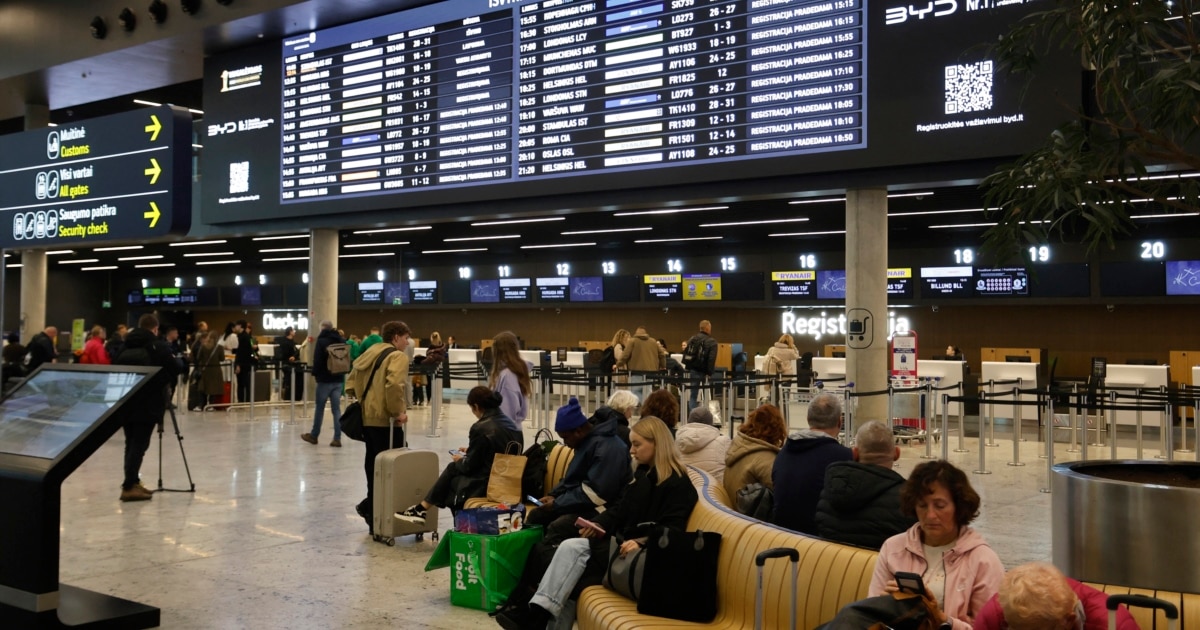
Lithuania reports 315 unauthorized high-altitude balloons entering from Belarus since June, peaking at 71 in October; the devices are used primarily to smuggle counterfeit Belarusian cigarettes and have forced 15 temporary closures of Vilnius and Kaunas airports between October and December, disrupting over 320 flights and more than 45,000 passengers with one shutdown lasting nearly 12 hours in early December.
Vilnius closed its 700-kilometer border on October 29 and reopened it on November 19 as a goodwill test; roughly 1,000 Lithuanian-registered trucks remain stranded on the Belarusian side and face a stated €120/day parking charge and risk of confiscation, prompting a formal request to EU officials for assistance. Brussels is preparing to expand its Belarus sanctions to explicitly target individuals and entities that plan, direct or facilitate actions threatening member-state sovereignty or critical infrastructure, including unauthorized airspace incursions; the draft is expected to be approved before Christmas.
Vilnius has proposed additional restrictive measures—transaction bans on 10 Belarusian banks and restrictions on nitrogen fertilizers, rapeseed oil and salt—that would widen economic pressure if adopted, but EU leverage is limited by minimal diplomatic ties since 2020 and Minsk’s insistence on bilateral talks. The mix of recurring operational disruption, strained logistics, and potential sectoral sanctions elevates near-term credit, supply‑chain and insurance risks for firms linked to Baltic transit and Belarusian commodity flows.
AI-powered research, real-time alerts, and portfolio analytics for institutional investors.
Request DemoOverall Sentiment
moderately negative
Sentiment Score
-0.50
