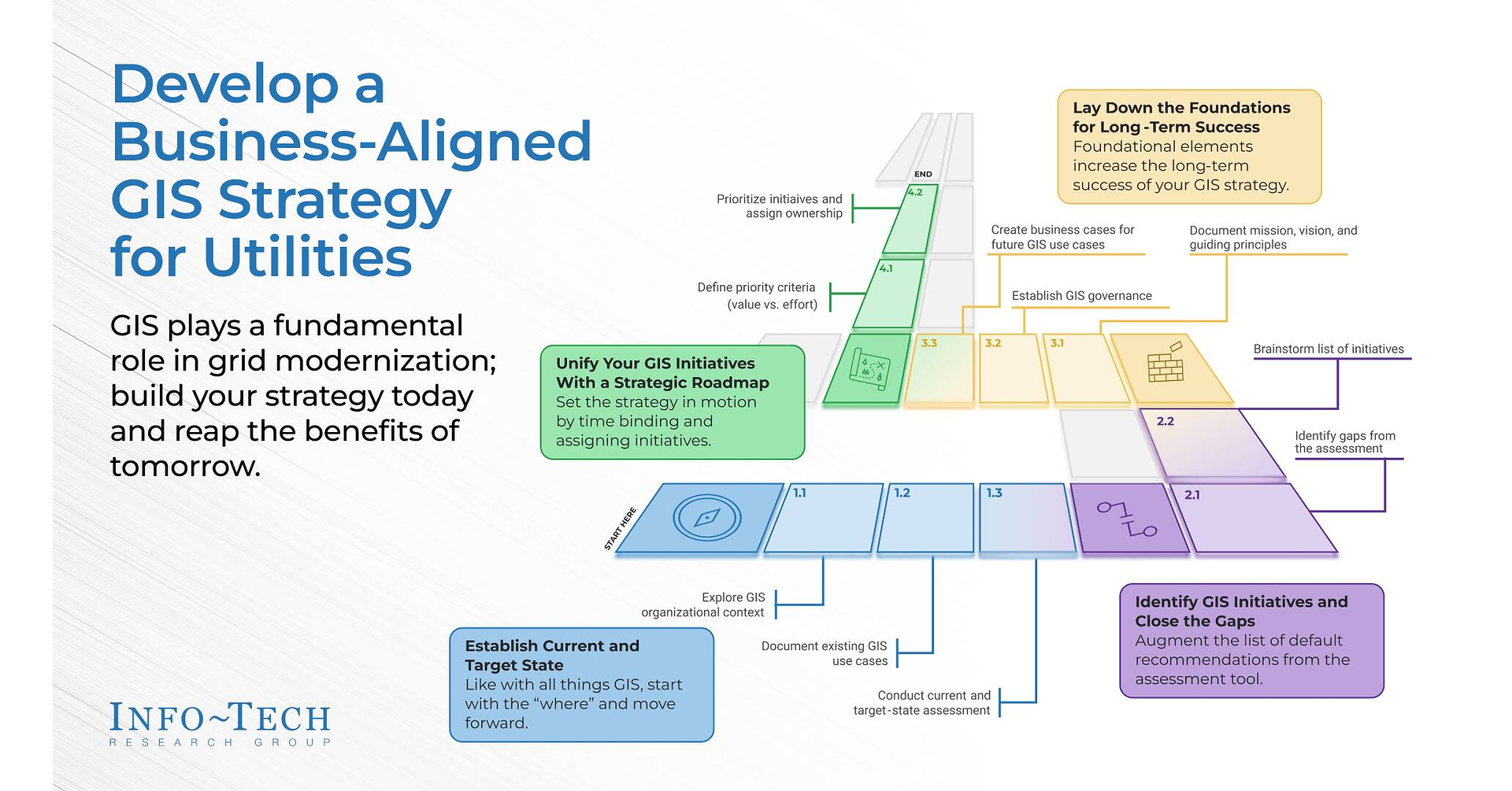
Info-Tech Research Group advises utilities to build business-aligned GIS strategies to support grid modernization, asset visibility, and integration of operational data. The blueprint targets GIS maturity improvements by addressing siloed data, unclear governance/ownership, skills gaps, and inconsistent standards, using a four-phase framework plus assessment and roadmap tools. The article is largely advisory/industry guidance with no direct financial or policy figures, implying limited near-term market impact.
This is not an earnings catalyst for utilities so much as a budget-allocation signal. The economic upside sits with enterprise software, systems integrators, and field-operations vendors that can package GIS cleanup into broader grid-digitization programs; the real monetization is multi-quarter services backlog, not an immediate license pop. For regulated utilities, the near-term effect is more likely margin drag or deferred spend unless rate cases explicitly allow digital modernization recovery.
Second-order, the winners are vendors that can reduce integration friction across OT/IT and keep data models open; closed, point-solution GIS stacks should lose share if buyers standardize around a single source of truth. The longer-dated opportunity is in asset-intensive workflows where better geospatial data lowers outage duration, improves interconnection of DERs/EVs, and reduces truck rolls, which compounds over 6-18 months if utilities actually execute. But those benefits accrue unevenly: utilities with cleaner asset registries will convert the blueprint into productivity faster than peers with legacy data debt.
Contrarian view: the market may be overestimating how much new spend this unlocks. GIS is already a sunk cost in most utilities, and the binding constraint is usually governance, rate-case timing, and data remediation labor—not awareness. Unless we see explicit capex or opex budget revisions, the headline is more about consulting content than a change in fundamentals.
AI-powered research, real-time alerts, and portfolio analytics for institutional investors.
Overall Sentiment
neutral
Sentiment Score
0.08
Ticker Sentiment
