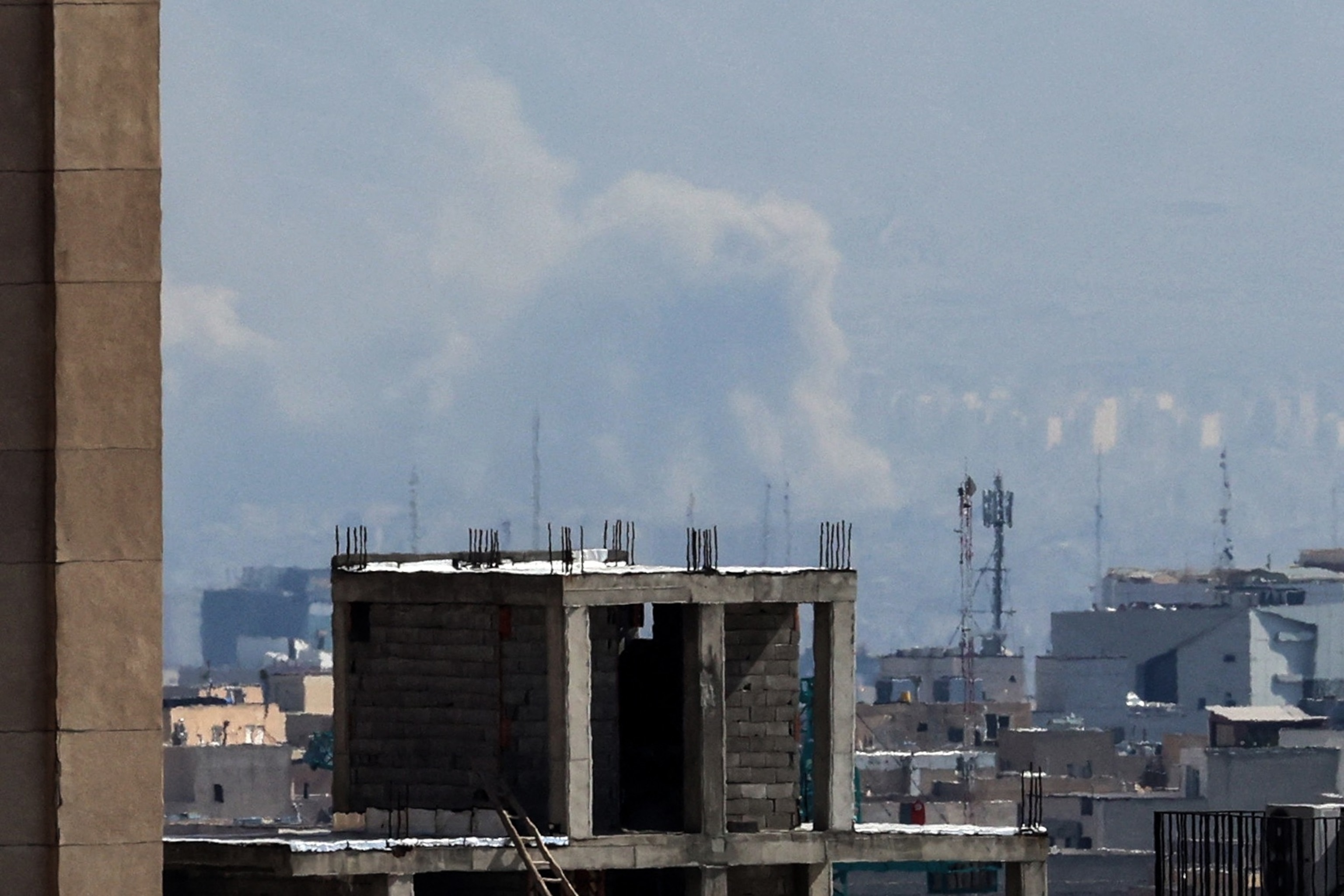
U.S.-Israel joint strikes reportedly killed Iran's Supreme Leader Ayatollah Ali Khamenei and targeted multiple Iranian military and government sites, triggering Iranian missile and drone reprisals against Israel, regional U.S. bases and Gulf states; NATO forces intercepted at least one missile. Israel also reportedly eliminated an IRGC special-operations commander alleged in a prior assassination plot, and has intensified strikes into Lebanon with mass evacuation orders for southern areas of the country. The rapid escalation and leadership vacuum in Tehran create acute geopolitical risk that is likely to drive safe-haven flows, regional flight and trade disruptions, and upside pressure on oil and volatility-sensitive assets until the situation and Iran’s succession dynamics are clarified.
Market structure: Immediate winners are large defense primes (Lockheed LMT, Northrop NOC, RTX) and integrated energy majors (XOM, CVX, XLE) from expected rushes in orders and higher oil/gas prices; losers include EM equities/currencies (EEM), regional airlines/airfreight (JETS), and tourism names due to travel disruption. Supply/demand: risk of physical oil supply shocks (straits disruption, Gulf export curbs) implies a plausible Brent move +20–40% inside 1–3 months vs. baseline; commodity inventories likely to draw, lifting prices and energy sector cashflows. Cross-asset: expect classic risk-off — USD strength (UUP), US Treasury yields fall (TLT rally) near-term, equity volatility spike (VIX/VXX), and widening EM sovereign spreads; corporate credit will cheapen 50–150bps in stressed EM issuances.
Risk assessment: Tail scenarios include full regional conflagration (Brent +50%+, global GDP hit 0.5–1.5ppt over 12 months), cyber/insurance market paralysis, or NATO entanglement triggering longer US fiscal impulse and higher long-term yields; low-probability outcomes should be stress-tested. Time horizons: days — liquidity and volatility trades; weeks — commodity and defense order flows; quarters+ — fiscal responses, budget deficits and structural shifts in supply chains. Hidden dependencies: shipping insurance (GIIC) and re-routing costs, LNG seasonal demand, and US congress defense appropriation timing can amplify or reverse price moves. Catalysts to watch (next 0–90 days): major shipping incident, OPEC+ emergency meeting, US Congressional supplemental bill passage, or credible de-escalation talks.
AI-powered research, real-time alerts, and portfolio analytics for institutional investors.
Request TrialOverall Sentiment
strongly negative
Sentiment Score
-0.80
