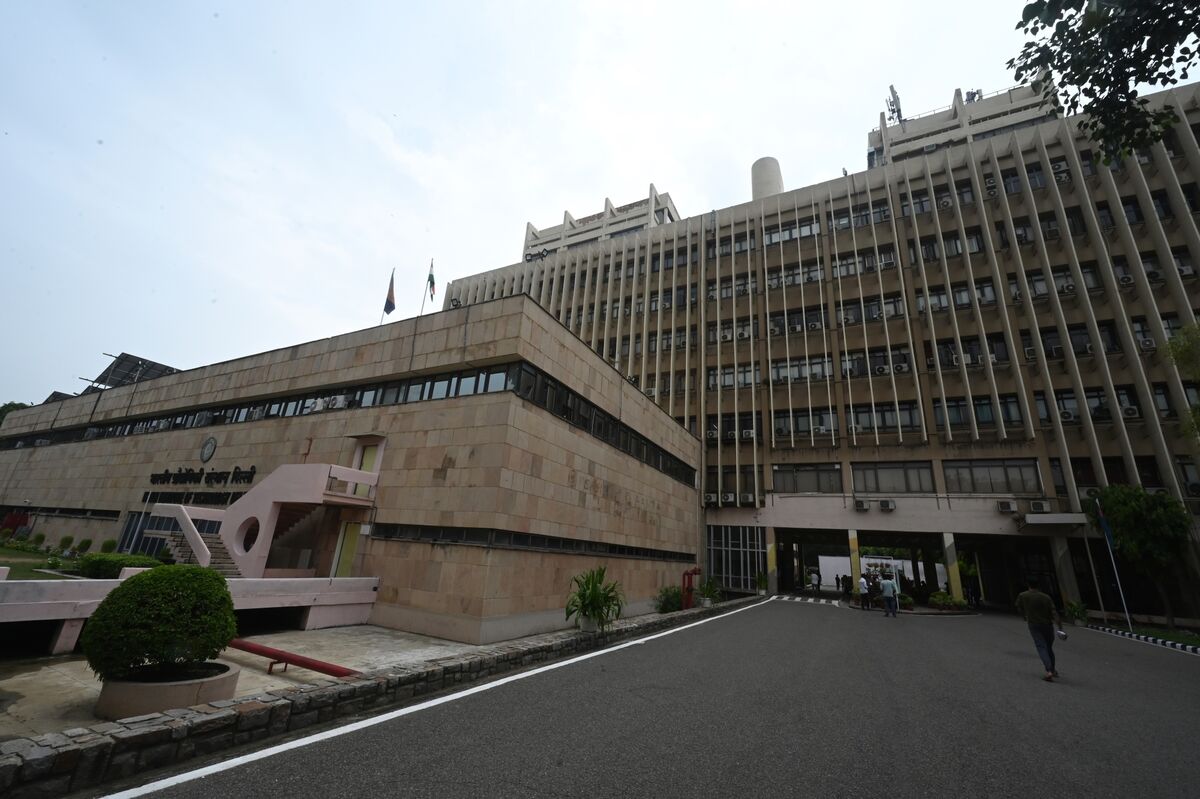
Indian tech institutions and companies are responding to the new, steep US H-1B visa fees with "quiet defiance," viewing the curbs as an opportunity to retain and attract top talent. This sentiment is exemplified by AI recruiting platform Metaview's campaign, signaling a continued commitment to sponsoring H-1Bs despite increased costs, which could shift global tech talent dynamics and potentially benefit India's tech sector.
The recent US H-1B visa fee hike has been met with "quiet defiance" and a perceived opportunity within India's elite tech circles, as indicated by a "moderately positive" sentiment. This response suggests that Indian institutions and companies are strategically adapting to the new regulatory landscape, viewing it as a chance to bolster their domestic talent pool.
AI recruiting platform Metaview exemplifies this sentiment through its public campaign, asserting a continued commitment to sponsoring H-1Bs despite the significant $100,000 fee increase. This proactive stance highlights a determination to attract and retain top talent domestically, signaling a strategic shift in talent acquisition.
The situation implies a potential re-calibration of global tech talent dynamics, where increased US immigration costs could encourage highly skilled professionals to remain in or return to India. This could strengthen India's indigenous tech sector and foster local innovation, turning a regulatory challenge into a competitive advantage for emerging markets.
AI-powered research, real-time alerts, and portfolio analytics for institutional investors.
Request DemoOverall Sentiment
moderately positive
Sentiment Score
0.40
