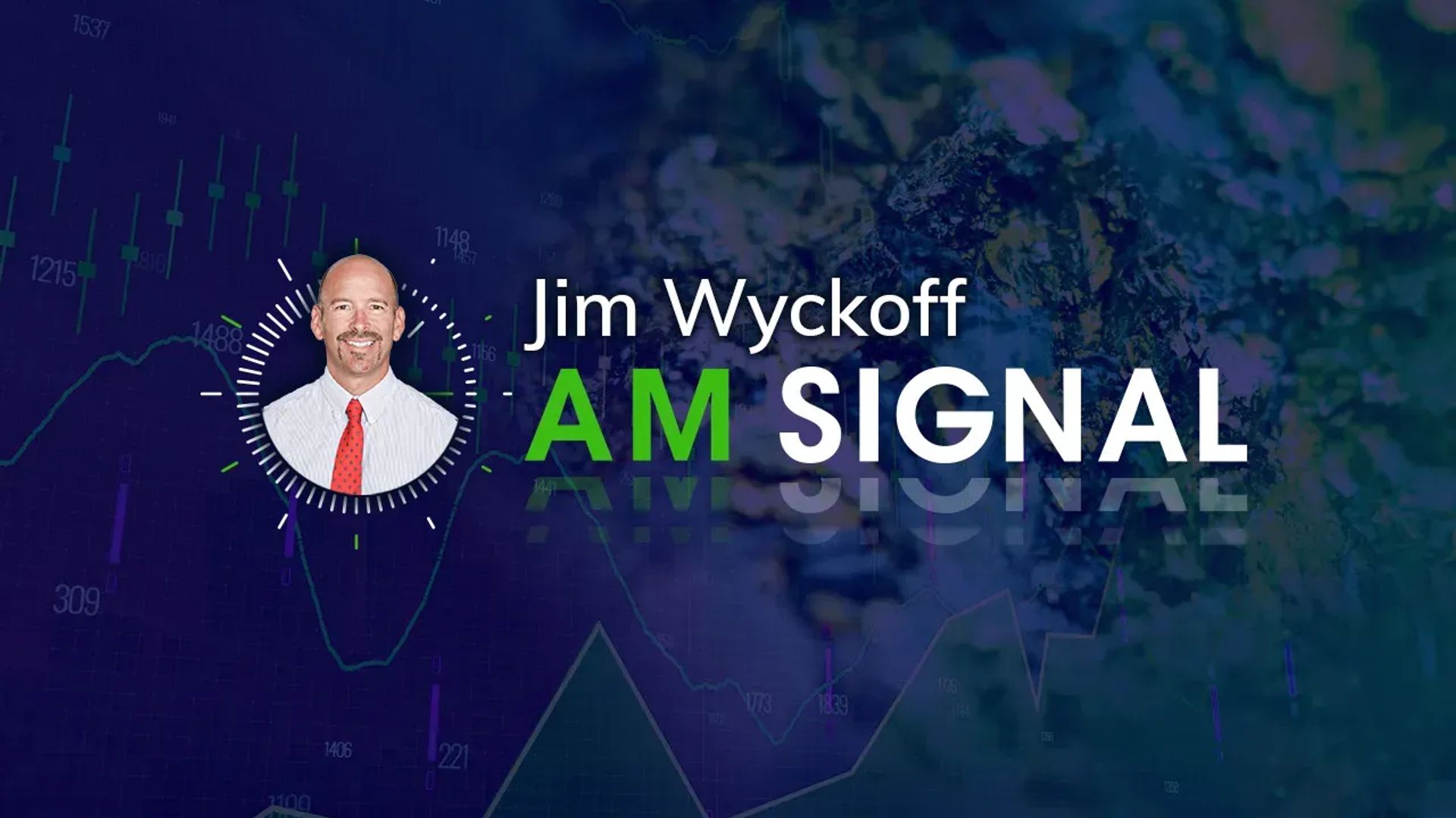
Jim Wyckoff is a veteran financial journalist and market analyst with more than 25 years covering stocks, financial markets and commodity futures, including reporting from Chicago and New York trading floors. He operates the "Jim Wyckoff on the Markets" advisory service and has held analyst roles at FWN, Dow Jones Newswires, TraderPlanet.com, Pro Farmer and CapitalistEdge.com, providing daily market roundups and technical analysis for Kitco.
Market structure: Commodities futures flows favor upstream producers and price-sensitive exporters (gold miners GDX, agricultural processors ADM/BG, copper miners COPX) and hurt high-consumption sectors (airlines JETS, some consumer staples) if energy or food prices rise by 5–15% over 1–3 months. Technical-driven momentum, ETF roll mechanics and backwardation/contango conditions can amplify short-term moves; a sustained 10% move typically shifts pricing power to producers for 3–9 months.
Risk assessment: Tail risks include a China demand shock (PMI <48) or sudden Fed rate repricing (10y +30–50bps in 1–2 weeks) that can send commodities down 12–25% quickly; severe weather or geopolitical disruption (e.g., Black Sea grain export halt) can lift select commodities 20%+ in weeks. Hidden dependencies: ETF flows, index rebalances and futures roll costs will accentuate volatility around monthly/quarterly windows; inventory prints (EIA, USDA) are primary short-term catalysts.
Trade implications: Favor tactical, size-controlled longs in commodity producers and selective commodity ETFs with explicit triggers: miners and agriculture for 3–6 month horizons, paired with short exposure to commodity consumers (airlines) if fuel stays >$85–90/bbl for 5+ trading days. Use options to define risk (3-month call spreads or puts) rather than naked directional bets; set hard stop-losses (8–12%) and conditional scaling (add on a confirmed break of technical levels).
Contrarian angles: Consensus often underprices the impact of roll-induced volatility and overweights spot price as the sole signal; look for divergence between physical inventory draws and weak spot futures (signaling ETF-driven move that will revert). Historical parallels (2010–11 vs 2014) show commodity rallies can be self-reinforcing until demand collapses; beware crowding—if flows push a commodity >20% in 30 days, the mean-reversion trade becomes attractive with a 6–12 month horizon.
AI-powered research, real-time alerts, and portfolio analytics for institutional investors.
Request DemoOverall Sentiment
neutral
Sentiment Score
0.00
