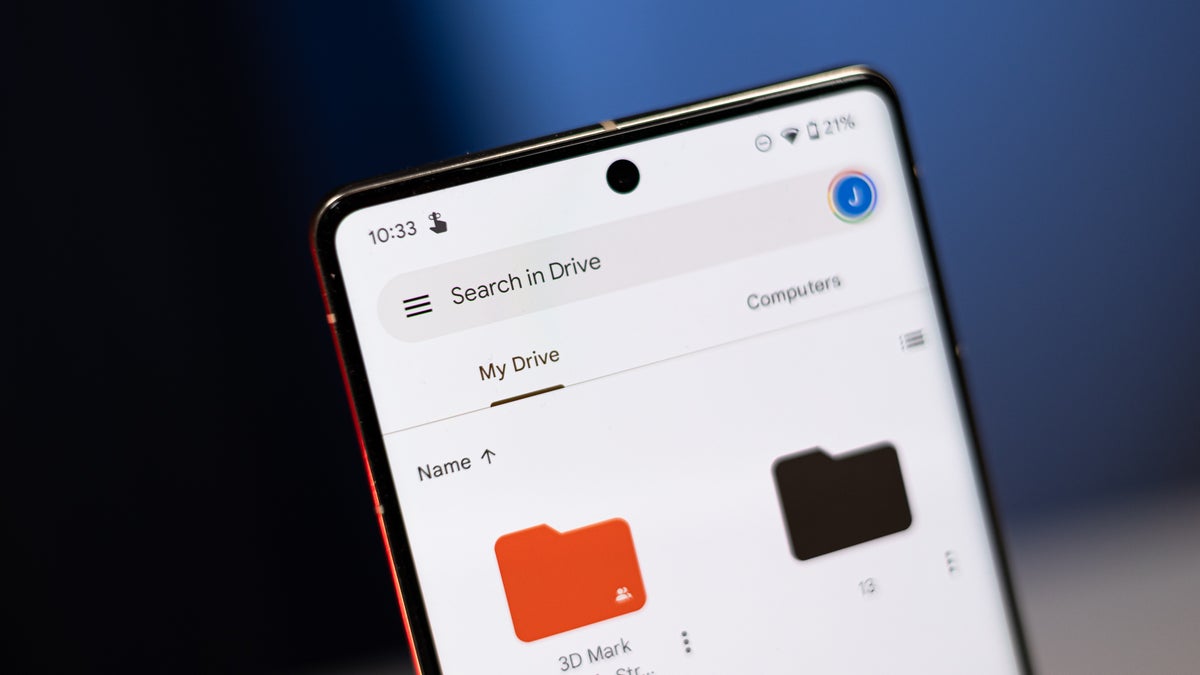
Google Drive’s document scanner is getting a major upgrade, adding Smart Batch Scanning, Duplicate Detection, Auto-Best Frame, and a cleaner Material 3 Expressive interface. The update is powered by Google Play Services and 100% on-device processing, but it is limited to higher-end Android phones with at least 8GB of RAM. The change is a positive product improvement for Google’s ecosystem, though it is unlikely to materially move markets.
This is less a consumer-feature story than a signal that Google is using on-device AI to deepen ecosystem stickiness in low-ARPU but high-frequency workflows. A better scanner matters because it increases the utility of Drive, Files, and adjacent Google services in a way that is hard for competitors to copy without matching both the software stack and handset-level inference capability. The gating on higher-RAM Android devices also quietly reinforces the premium Android value proposition: better hardware now unlocks materially better software, which should help Samsung/Pixel-style premiumization and reduce churn to iOS at the margin.
The second-order implication is that Google is turning “boring” productivity tasks into a showcase for local AI, which is strategically more important than the feature itself. If this pattern extends to other workflow tools, it raises the switching cost for enterprise and prosumer users who live inside Google accounts, especially where offline/privacy benefits matter. For Apple, the risk is not immediate feature parity loss in scanning, but the broader perception that iOS is still behind in practical, everyday AI utility—an issue that matters more to retention than headline AI demos.
The market is likely underpricing the durability of this type of ecosystem monetization. While scanner adoption is not a direct revenue driver, it can lift engagement and increase the probability of paid storage, Workspace attachment, and device upgrade intent over a 6-18 month window. The main reversal risk is that the feature remains niche, limited to high-end Android penetration, and therefore becomes a press-release win rather than a meaningful behavioral shift; if so, any positive read-through to GOOGL should fade quickly after launch buzz.
Contrarian view: the real beneficiary may be premium Android OEMs, not Google alone. If users start associating better on-device AI with newer, higher-RAM phones, upgrade cycles could shorten modestly, especially in markets where document scanning, transit forms, and small-business workflows are common. That makes this a subtle but real tailwind for devices that can credibly market local AI performance, while Apple faces a small but persistent narrative headwind until it closes the everyday-utility gap.
AI-powered research, real-time alerts, and portfolio analytics for institutional investors.
Request DemoOverall Sentiment
mildly positive
Sentiment Score
0.25
Ticker Sentiment
