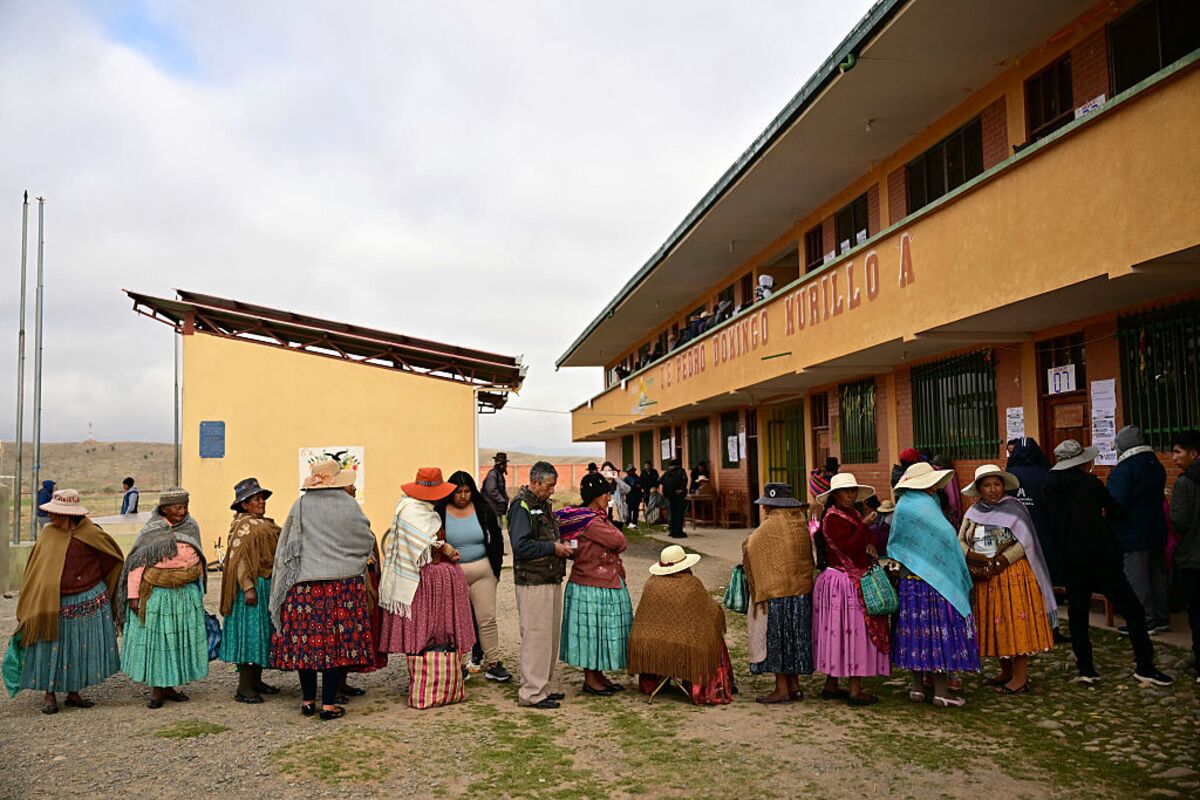
Bolivia is holding a presidential runoff election between two pro-business candidates, Rodrigo Paz and Jorge Tuto Quiroga, to address the nation's most severe economic crisis in four decades. Both candidates propose similar market-oriented reforms, including curbing government spending, phasing out fuel subsidies, allowing currency devaluation, improving U.S. relations, and attracting foreign investment, particularly to develop Bolivia's substantial lithium reserves. The outcome is critical for the country's economic trajectory and its potential shift towards greater fiscal discipline and foreign capital integration.
Bolivia is currently undergoing a presidential runoff election, with two pro-business candidates, Senator Rodrigo Paz and former President Jorge Tuto Quiroga, vying for leadership amidst the nation's most severe economic crisis in forty years. Both candidates propose a largely consistent platform focused on market-oriented reforms to address the deep-seated economic challenges.
Key policy pledges include curbing government spending, phasing out fuel subsidies, and allowing for currency devaluation, signaling a potential shift towards greater fiscal discipline and a more market-driven exchange rate. Furthermore, both candidates aim to improve relations with the US and actively attract foreign investment, particularly for the development of Bolivia's significant lithium reserves in the Andes.
The election's outcome carries a moderate market impact, as indicated by the signals, given the proposed reforms could significantly alter Bolivia's economic trajectory and its appeal to international capital. The focus on lithium development highlights a strategic commodity play that could attract sector-specific foreign direct investment, contingent on political stability and policy execution.
AI-powered research, real-time alerts, and portfolio analytics for institutional investors.
Overall Sentiment
neutral
Sentiment Score
-0.10
