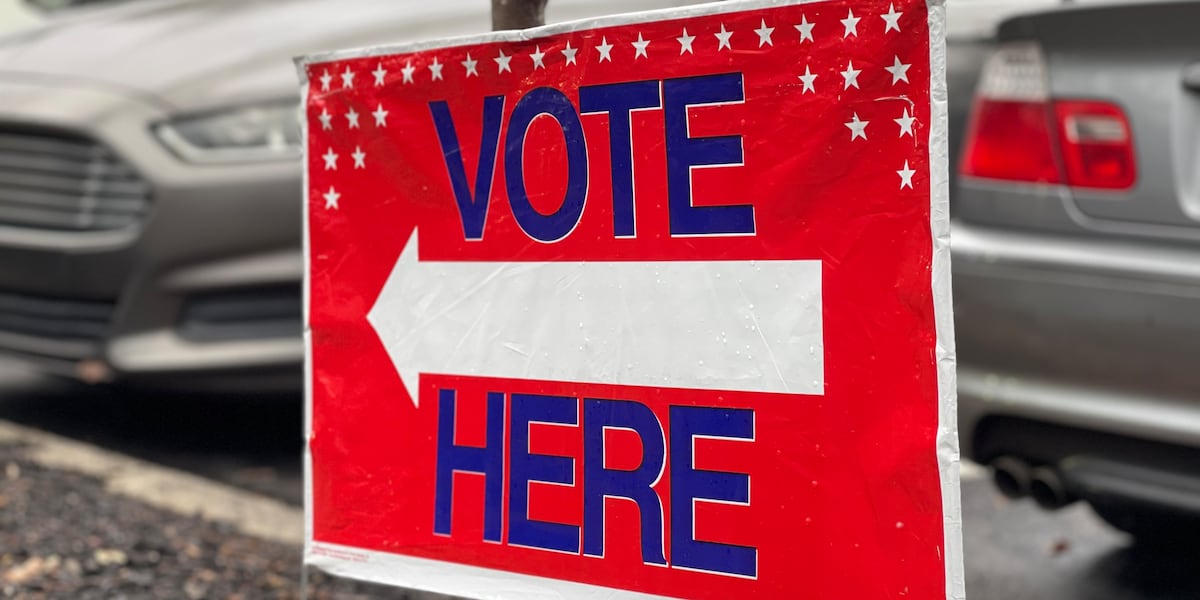
Georgia’s runoff election is set for Tuesday, June 16, with early voting running June 7-12 and absentee ballot requests due by June 5. Multiple party nomination races remain undecided, including governor, U.S. Senate, lieutenant governor, secretary of state, insurance commissioner, labor commissioner, and Public Service Commissioner District 5. The article is an informational voter guide with no direct market-moving implications.
This runoff is less about the mechanics of voting than about extending political uncertainty inside Georgia, one of the few true swing-state regulatory battlegrounds. The market implication is not immediate election-day volatility so much as a 2-3 month window where utilities, insurers, and healthcare names exposed to state-level policy overhang can trade at a discount as candidates reposition for the general election. That matters because even low-probability changes to PSC staffing, insurance oversight, and labor enforcement can alter rate-case timing, claims-cost assumptions, and wage pressure expectations well before any actual policy shift.
The second-order winner is usually the messaging ecosystem around the election: consultants, media inventory, and pollsters see a brief revenue lift, but the tradable impact is broader dispersion in Georgia-exposed names. Public Service Commissioner outcomes are the cleanest channel: a more consumer-friendly regulatory posture would be negative for regulated electric utilities via slower allowed rate recovery and potentially weaker ROE expansion, while a business-friendly outcome supports margin stability and capital return visibility. Insurance and labor nominations matter more for sentiment than near-term earnings, but they can move longer-duration valuation multiples if investors start pricing a more interventionist state policy regime.
The consensus mistake is treating runoff races as binary events with little economic consequence. The real edge is in timing: the first-order market reaction is likely negligible, but the rerating risk emerges if the runoff produces a stronger partisan lineup heading into November, especially if it improves the odds of a sweep in state-level offices. That would raise the probability of policy stickiness for 6-12 months, which is long enough to matter for regulated assets but short enough that options may be the best vehicle rather than outright equity exposure.
AI-powered research, real-time alerts, and portfolio analytics for institutional investors.
Request DemoOverall Sentiment
neutral
Sentiment Score
0.00
