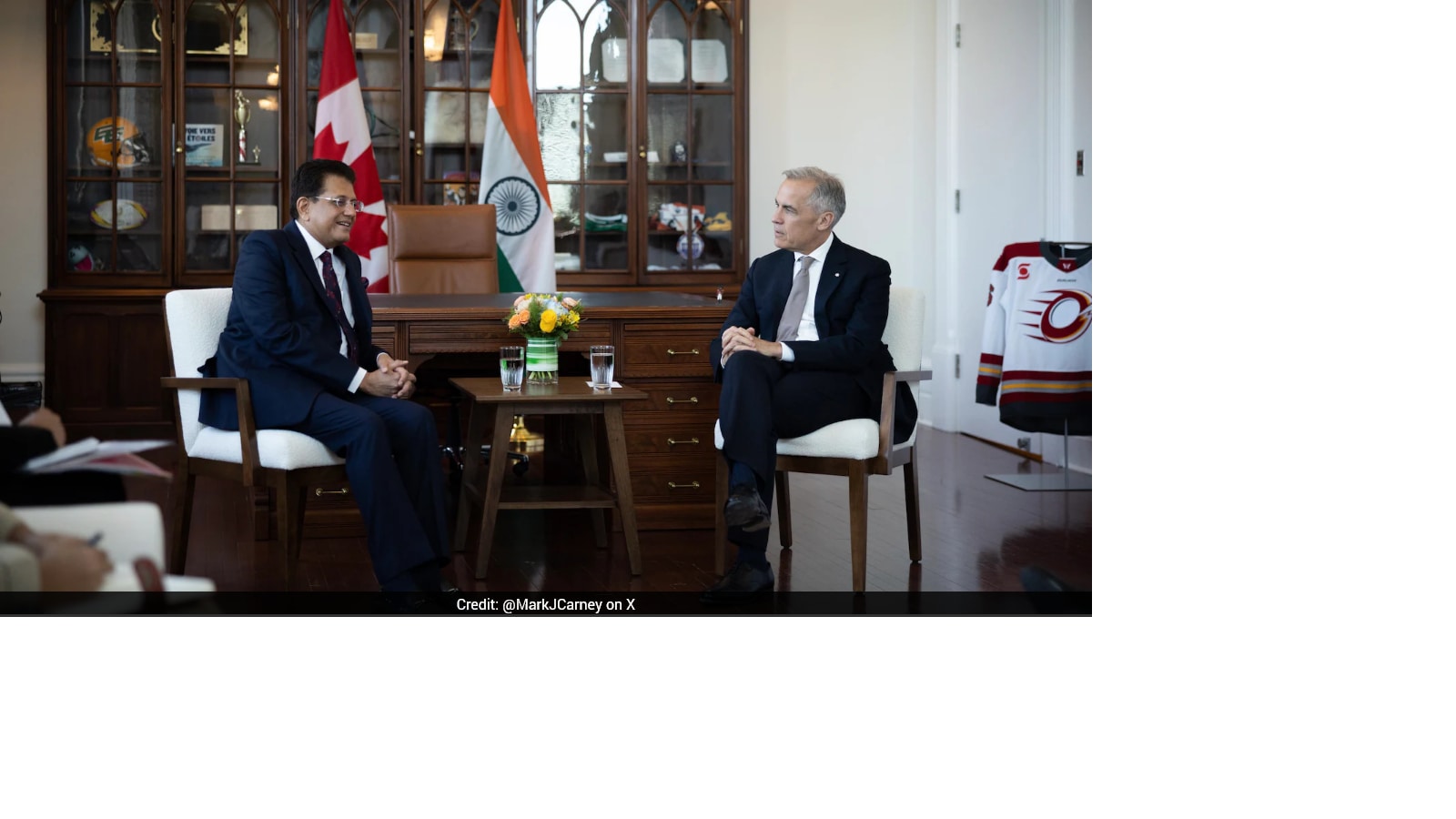
India and Canada are moving to accelerate CEPA trade talks, with both sides targeting a free trade agreement this year and a long-term goal of tripling bilateral trade to $50 billion by 2030. The visit included more than 100 Indian business representatives across mining, energy, automotive, and aerospace, signaling broader commercial engagement. Recent thawing in ties is also underscored by a $2.6 billion CAD uranium supply deal tied to Canada’s February visit to India.
This is less about headline trade volume and more about reopening a capital-allocation corridor that has been frozen for years. The first-order beneficiaries are not broad Canadian or Indian exporters, but capital-intensive firms tied to long-cycle project finance: uranium/nuclear fuel, mining equipment, LNG/services, port/logistics, and industrials with Canada-based manufacturing footprints. The second-order effect is that any credible CEPA path lowers the political discount rate on cross-border investment, which matters more than tariff relief for sectors that require multiyear permitting and off-take certainty.
The clearest near-term implication is for resource and energy supply chains. India’s push to diversify away from concentrated suppliers should incrementally support Canadian uranium, metallurgical coal alternatives, potash, and select base metals, but the larger swing is in financing: Canadian pension capital can become a more material source of low-cost project equity for Indian infrastructure, grid, and industrial buildout. That would pressure regional competitors that rely on traditional banks or higher-cost dollar funding, especially in Southeast Asia, where India may start to win incremental sourcing and assembly mandates.
The market is likely underpricing the time lag. Trade talks can re-rate sentiment quickly, but actual tariff, customs, and investment agreements usually take 6-18 months, and implementation risks are high if domestic politics or security incidents reintroduce friction. The key contrarian point: the biggest immediate upside may be in names with existing bilateral exposure and underappreciated optionality, while pure-play “India-Canada reopening” baskets are probably too early to chase aggressively.
From a macro lens, this is modestly positive for CAD and for Indian industrial importers if a treaty path lowers friction, but the cleaner trade is in relative beneficiaries rather than outright FX. The uranium angle is especially important because it adds a politically acceptable energy bridge between the two countries; if that theme persists, it can support a multi-quarter re-rating in nuclear fuel-linked assets even before broader tariff concessions materialize.
AI-powered research, real-time alerts, and portfolio analytics for institutional investors.
Request DemoOverall Sentiment
moderately positive
Sentiment Score
0.45
