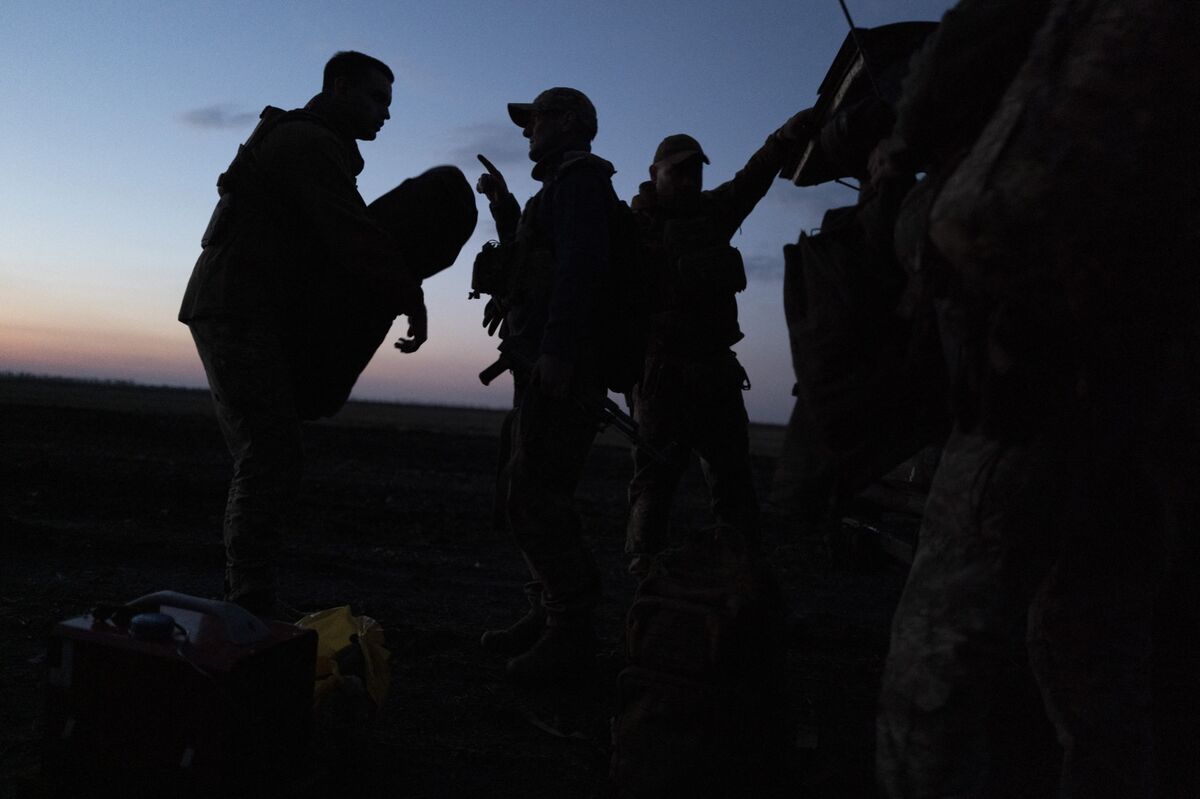
Ukraine's top military commander, Oleksandr Syrskyi, stated that Russia is increasingly employing small sabotage groups to breach Ukrainian positions as its summer offensive struggles to advance. Russia's primary objective remains reaching the intersection of the Donetsk, Dnipropetrovsk, and Zaporizhzhia regions, with over 700,000 troops deployed across the 1,250 km frontline, signaling a tactical adaptation amid stalled ground operations.
Recent intelligence from Ukraine's top military commander, Oleksandr Syrskyi, indicates a significant tactical shift by Russian forces. The failure of the summer offensive to achieve a major breakthrough has prompted a change to smaller-scale sabotage operations aimed at penetrating Ukrainian lines. Despite this tactical adaptation, Moscow's strategic objective remains unchanged: to control the intersection of the Donetsk, Dnipropetrovsk, and Zaporizhzhia regions. The deployment of over 700,000 troops along the 1,250 km frontline underscores the high level of resource commitment and the conflict's protracted nature. This development suggests a transition into a prolonged war of attrition, increasing geopolitical uncertainty rather than signaling an imminent resolution. The moderately negative sentiment and a market impact score of 0.6 reflect the market's sensitivity to the conflict's persistence, which carries ongoing risks for global supply chains, energy prices, and overall investor sentiment.
AI-powered research, real-time alerts, and portfolio analytics for institutional investors.
Request DemoOverall Sentiment
moderately negative
Sentiment Score
-0.40
