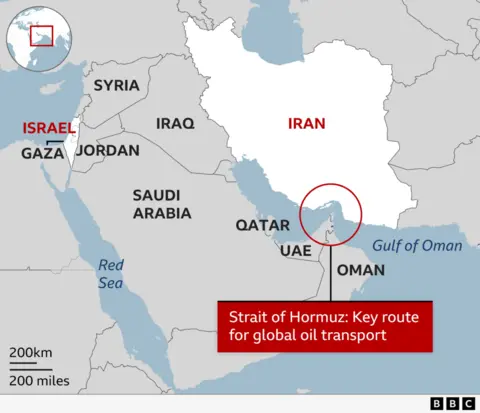
The US issued a temporary sanctions waiver covering roughly 100 million barrels of Russian oil currently in transit, effective until 11 April. Despite an IEA release pledge of 400 million barrels (including 172 million from the US), Brent remains near $100/bbl and global equities outside the US fell as attacks and an effective Strait of Hormuz closure have tightened supplies. The decision drew strong criticism from European and Canadian leaders and Ukraine, which estimates Russia could gain about $10bn, raising geopolitical and market volatility risks that warrant a risk-off posture for portfolios.
Winners are non-obvious: owners of VLCCs and the “shadow fleet” capture outsized margin from rerouting, longer voyages and war-risk premiums — these are levered to days‑charter equivalent (TCE) spikes rather than crude price direction, and upside can materialize within weeks as fixtures re-price. Insurers and reinsurers collect higher premiums and front-load rate increases into renewals, while European refiners and integrated downstream players face a double squeeze from feedstock scarcity and politically driven market access limits that compress refinery throughput and margins.
Key tail risks and catalysts cluster by timeframe. In days–weeks, escalations that close choke points or successful naval escorts materially change insurance premia and voyage economics; in 1–3 months, diplomatic deals (or coordinated SPR management) can reintroduce marginal barrels; in 6–12 months, structural shifts — accelerated rerouting, sanctioned-asset workarounds, or sustained freight premium normalization — determine which winners keep profits. A reversal could be abrupt: a single successful de‑escalation or a coordinated supply release would depress both freight and crude vol quickly.
Market mechanics create actionable arbitrage: heavy backwardation favors immediate sellers and tanker owners more than paper longs, while contango unwinds when floating storage drains — that toggles the profitability of storage players vs carriers. US onshore producers with short hedges benefit from sustained high front-months but are exposed if prices mean‑revert; conversely, long-dated buyers (refiners, airlines) are pressured now and may under-hedge, creating spread trades.
Contrarian read: consensus treats additional marginal barrels as meaningful direct supply relief, but the real signal is logistical — availability of insured lift and port access. If political costs force buyers to pay premia rather than secure volumes, prices and freight can remain elevated even with more nominal supply; this favors real‑asset owners (tankers, storage) over paper crude longs once volatility normalizes.
AI-powered research, real-time alerts, and portfolio analytics for institutional investors.
Request DemoOverall Sentiment
strongly negative
Sentiment Score
-0.55
