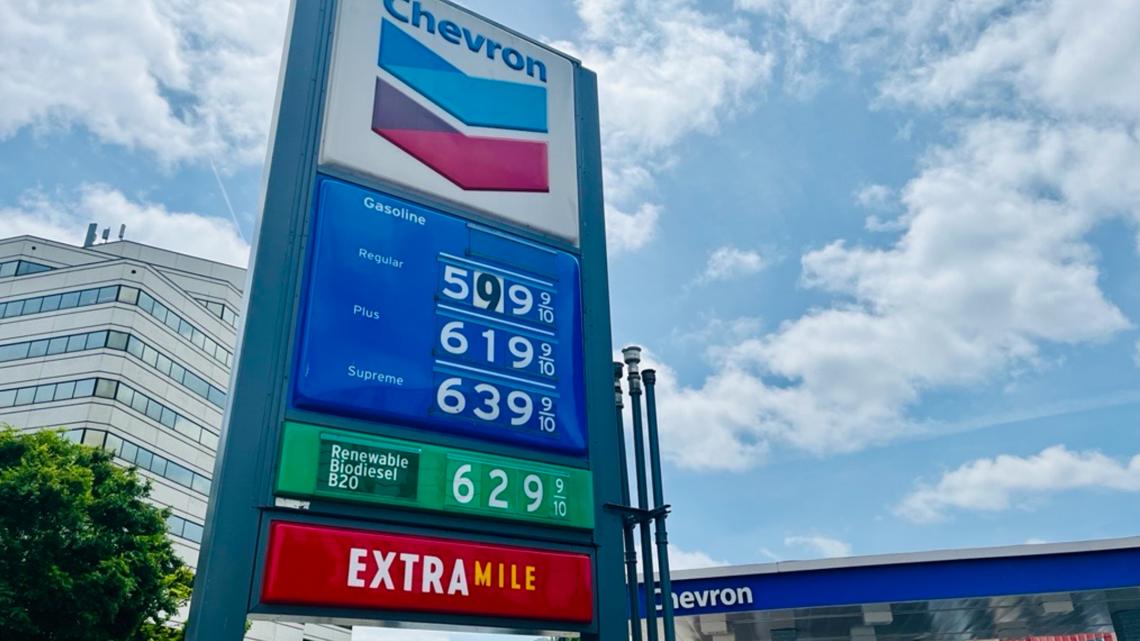
U.S. Memorial Day travel is being hit by elevated fuel costs, with AAA citing a national gas average of $4.56 and Oregon at $5.35, or $1.34 above last year. The article links the spike to the Iran war and the resulting global energy crisis, while highlighting political debate over suspending the federal gas tax. The broader message is higher household transportation costs and renewed inflation pressure across the economy.
The immediate market read-through is not “higher pump prices” but a redistribution of consumer spend toward non-discretionary transportation and away from travel-linked discretionary categories. That pressure lands first on low-income households and long-haul road trippers, which typically shows up within days in weaker quick-service, convenience-store mix, and lower-margin discretionary retail baskets before it is visible in hard macro data. The second-order effect is that elevated fuel costs act like a stealth tax, tightening real incomes at the exact point when seasonal travel demand would normally support leisure spending.
A more important medium-term implication is policy drift: once fuel becomes a visible political problem, there is a higher probability of short-dated legislative noise around gas-tax holidays, SPR rhetoric, and war-policy headlines. Those measures tend to be headline-positive for consumers but economically modest unless crude itself rolls over; therefore the tradable catalyst is not the policy proposal but the market’s reflexive pricing of easier gasoline later in the summer. If crude stays elevated for several weeks, expect margin pressure in airlines, parcel/logistics, and small-cap consumer names with weak pricing power to compound into Q3 guidance resets.
The contrarian view is that the market may be overestimating how much of this pain translates into durable demand destruction. In the U.S., consumers often absorb a $0.50-$1.00/gal spike by cutting other discretionary items before they materially reduce miles driven, which means gasoline demand can remain stubborn for 1-2 quarters even at uncomfortable price levels. That argues for owning the winners from persistent input-cost inflation rather than chasing a near-term consumer-collapse trade.
The cleanest setup is to fade the most exposed downstream transport and leisure names on rallies while staying constructive on energy upstream. If there is any hint of policy relief or ceasefire headlines, the move in refiners and airlines will likely mean-revert faster than crude because the market has already priced peak anxiety into end-consumer demand but not yet into earnings revisions.
AI-powered research, real-time alerts, and portfolio analytics for institutional investors.
Request DemoOverall Sentiment
moderately negative
Sentiment Score
-0.35
