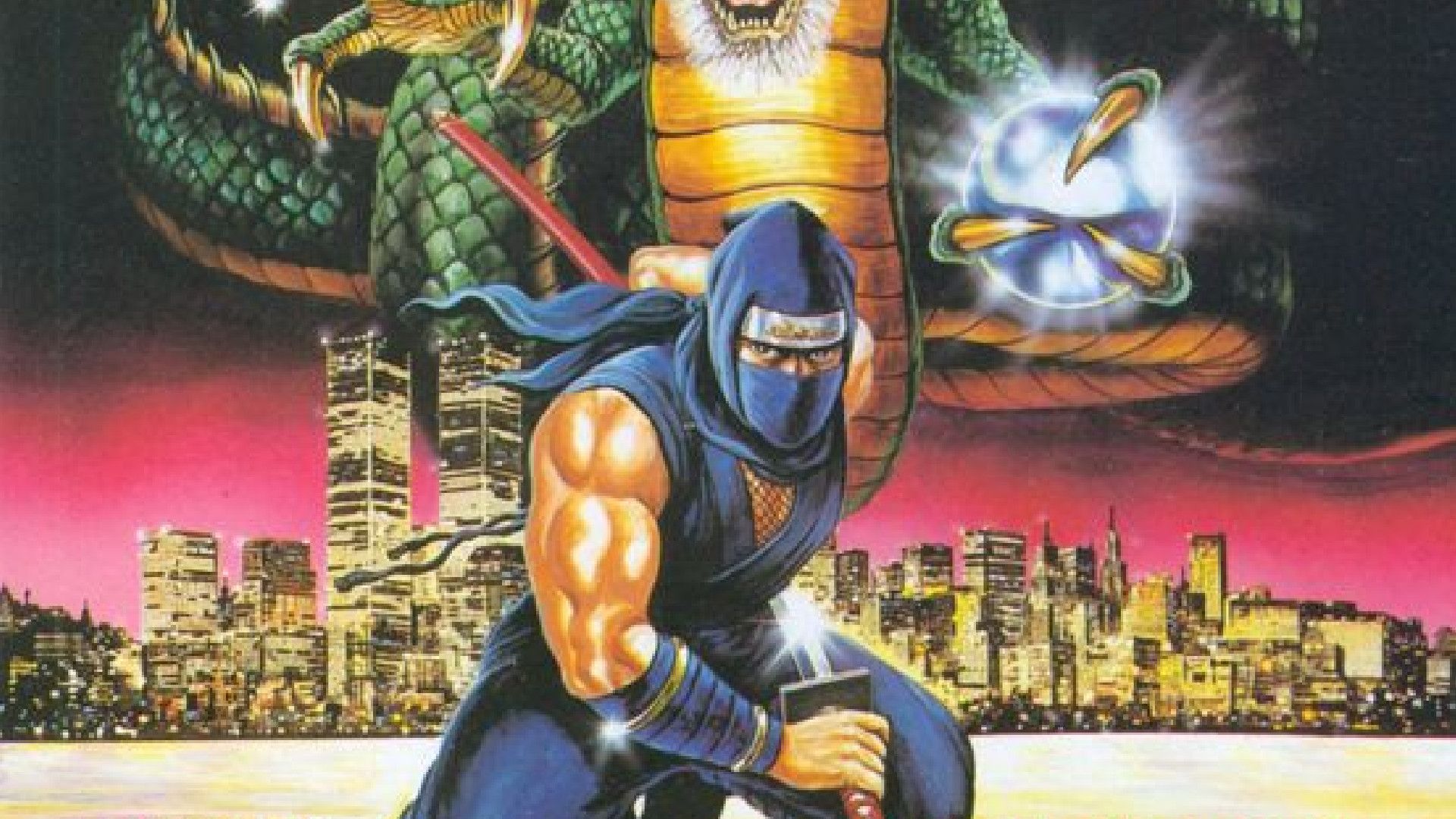
Hamster Corporation has launched a Console Archives line on Switch 2, offering standalone emulated re-releases of classic console titles, with Cool Boarders (PS1) and Ninja Gaiden 2 (NES) available at debut. The Ninja Gaiden 2 release is notable because the title had previously been accessible only via Nintendo Switch Online's subscription library, signaling a potential shift toward a purchase-based digital classic catalogue that could alter monetization and licensing dynamics for legacy content. Near-term financial impact appears limited, but broader licensing of first-party console games to third parties could influence digital revenue mixes for platform holders over time.
Market Structure — Hamster's Console Archives signals a partial unbundling of the subscription-only retro ecosystem: winners are platform-agnostic IP owners and mid-tier licensors (publishers with deep back catalogs) who can monetise long-tail sales; losers are pure-play subscription bundles and any platform that relied on exclusivity to justify recurring revenue. Expect modest pricing power for single-sale retro titles (one-off $5–$15 units) and increased eShop transaction volumes; market share shifts will be incremental (mid-single-digit revenue uplift for large publishers over 12 months if adoption follows arcade archives trajectory).
Risk Assessment — Tail risks include Nintendo tightening IP licensing or legal action (high-impact, low-probability) that would wipe expected upside from third-party catalogue sales; operational risks include complex rights for multi-party IP (music, third-party code). Immediate window (0–60 days) centers on Nintendo policy signals; short-term (3–6 months) on headline licensing deals; long-term (12–36 months) on cumulative software monetisation and Switch 2 install base growth. Hidden dependency: third-party retro sales rely on platform approval and clean rights chains — one major rejection could materially reduce TAM.
Trade Implications — Direct actionable plays: long major IP owners and platform beneficiaries (Nintendo NTDOY, Sony SONY, Capcom CCOEF) to capture licensing revenue and increased eShop activity; use 3–12 month call spreads to limit cost. Pair trades: long legacy-IP publishers (SONY/CCOEF) vs neutral exposure to hardware-only manufacturers; options: buy 6–12 month call spreads on NTDOY (15% OTM buy / 35% OTM sell) sized 1–3% portfolio for upside capture, and fund a small put-spread hedge (10% OTM/25% OTM) to protect against policy shock.
Contrarian Angles — Consensus fears around subscription erosion are likely overstated: standalone purchases can coexist with subscriptions and reduce churn by letting users buy favourites, potentially increasing lifetime value; if Nintendo embraces selective third-party releases, it amplifies software revenues without incremental hardware cost. Historical parallel: Wii Virtual Console monetised back-catalogue without cannibalising new IP; if similar, mispricing exists in short-term sentiment — consider measured accumulation on pullbacks of 5–10% in NTDOY/SONY within 60 days.
AI-powered research, real-time alerts, and portfolio analytics for institutional investors.
Request DemoOverall Sentiment
mildly positive
Sentiment Score
0.25
