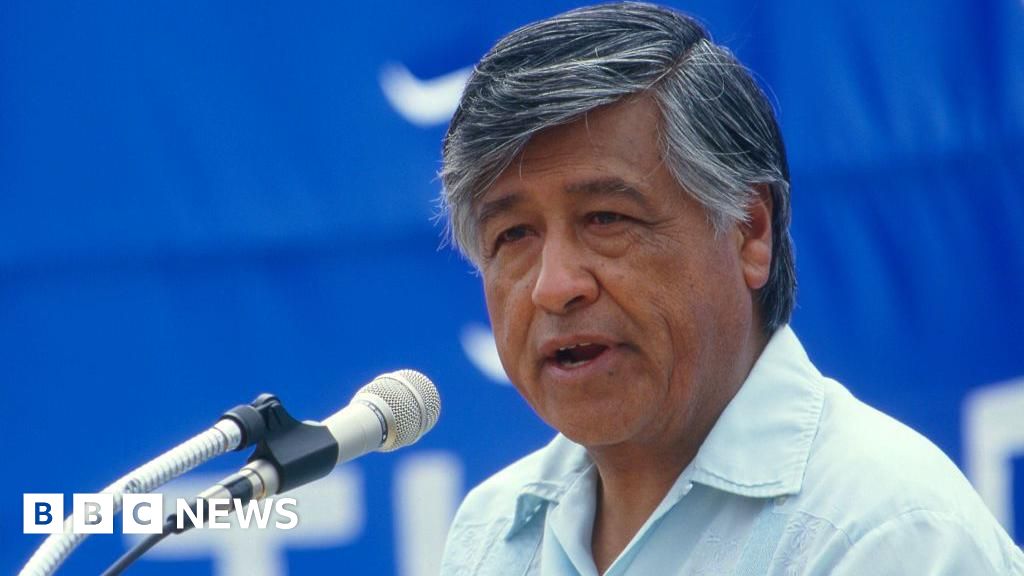
Key event: Cesar Chavez, co-founder of the United Farm Workers, has been accused by Dolores Huerta and two other women of sexual abuse and grooming in the 1960s–1970s, including allegations involving minors. The New York Times report triggered immediate reputational and political fallout — cancellations and renaming of Cesar Chavez Day events, the UFW withdrawing participation, public condemnations from officials, and proposed legislation in California to rename the holiday. Impact is primarily reputational and political with potential organizational reviews and policy responses; direct financial or market effects are negligible.
The immediate market implication is not a balance‑sheet hit to a single large corporates cohort but a reputational cascade that drives demand for legal, investigative and rebranding services over the next 3–18 months. Institutions that carry named legacies (foundations, universities, municipal programs) will accelerate spending on independent investigations, counseling and renaming exercises; these are lumpy, high‑margin engagements for specialist consultancies and litigation financiers rather than broad consumer cyclicals.
For media, high‑profile investigative pieces generate measurable subscriber and engagement lifts in the short term (days–weeks) but also increase churn risk if perceived coverage is partisan; the net revenue outcome is therefore a function of retention elasticity, not raw pageviews. Expect a modest, concentrated bump to publishers doing primary investigations and to adjacent ad revenues tied to engaged audiences during the 1–3 month window after publication.
Politically, removing a widely recognized holiday or rebranding civic assets shifts localized procurement flows (signage, events, legal counsel) into 6–24 month budgets and creates new legislative flashpoints that can tighten fundraising and donor behavior for organizations tied to the legacy. The larger tail outcome is governance: funds and unions will codify stricter abuse-reporting and document-retention practices, creating durable demand for compliance and forensic work that compounds over multiple years.
AI-powered research, real-time alerts, and portfolio analytics for institutional investors.
Overall Sentiment
strongly negative
Sentiment Score
-0.65
Ticker Sentiment
