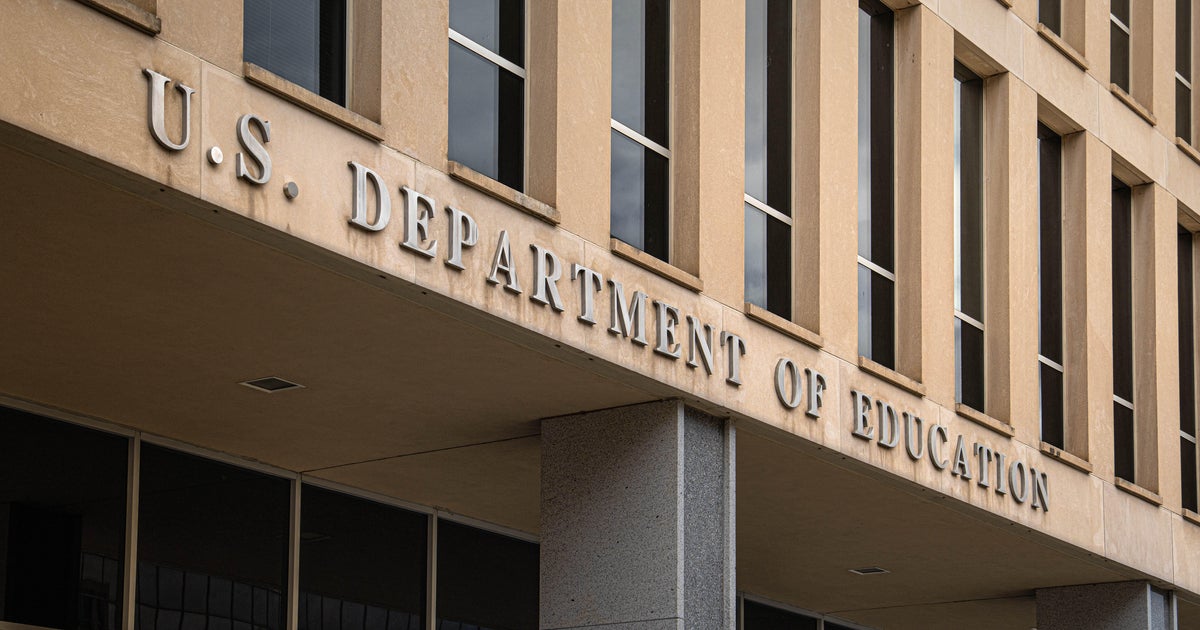
The U.S. Department of Education opened a Title IX investigation into Smith College over its admissions policy for transgender women, following a complaint filed in June 2025 by Defending Education. The probe raises legal and regulatory risk for the private women’s college, but the news is largely policy-focused and unlikely to have meaningful market impact. The case reflects the broader Trump administration push to limit transgender rights and could affect other women’s colleges with similar admissions policies.
This is less about one college and more about the federal government testing whether it can redefine compliance risk for an entire sub-asset class of small private institutions. The second-order effect is a chilling one: admissions, housing, athletics, HR, and donor policy at women’s colleges will all be repriced for legal ambiguity, even if the odds of a final adverse ruling are low. The institutions most exposed are those with narrow endowments and high dependence on tuition, because legal-defense spend and enrollment uncertainty hit operating leverage quickly.
The market implication is that the real losers are not just the target schools but adjacent “mission-driven” private colleges that rely on stable identity-based branding. If the precedent pressure broadens, expect more conservative admissions/DEI language, slower policy change, and potential donor polarization. That can create a widening gap between elite schools with large balance sheets and smaller peers that cannot afford prolonged litigation or reputational attrition.
The catalyst path is multi-quarter, not days: initial OCR activity is headline risk, but binding impact only arrives if there is a sustained enforcement campaign or adverse judicial precedent. The main reversal is a change in administration or a court ruling that narrows the interpretation, which would unwind the policy premium quickly. Until then, the trade is really on duration of uncertainty: the longer this remains unresolved, the more it suppresses enrollment confidence and increases legal spend across the sector.
Contrarianly, the move may be overread as a binary cultural issue when it is more likely to be a governance and cash-flow issue for a small set of institutions. The asymmetry favors shorts on fragile balance sheets rather than broad sector hedges, because elite universities can absorb the noise while weaker colleges cannot. If the enforcement broadens beyond a few symbolic targets, expect consolidation pressure in the lower end of the private-college market.
AI-powered research, real-time alerts, and portfolio analytics for institutional investors.
Request DemoOverall Sentiment
neutral
Sentiment Score
-0.10
