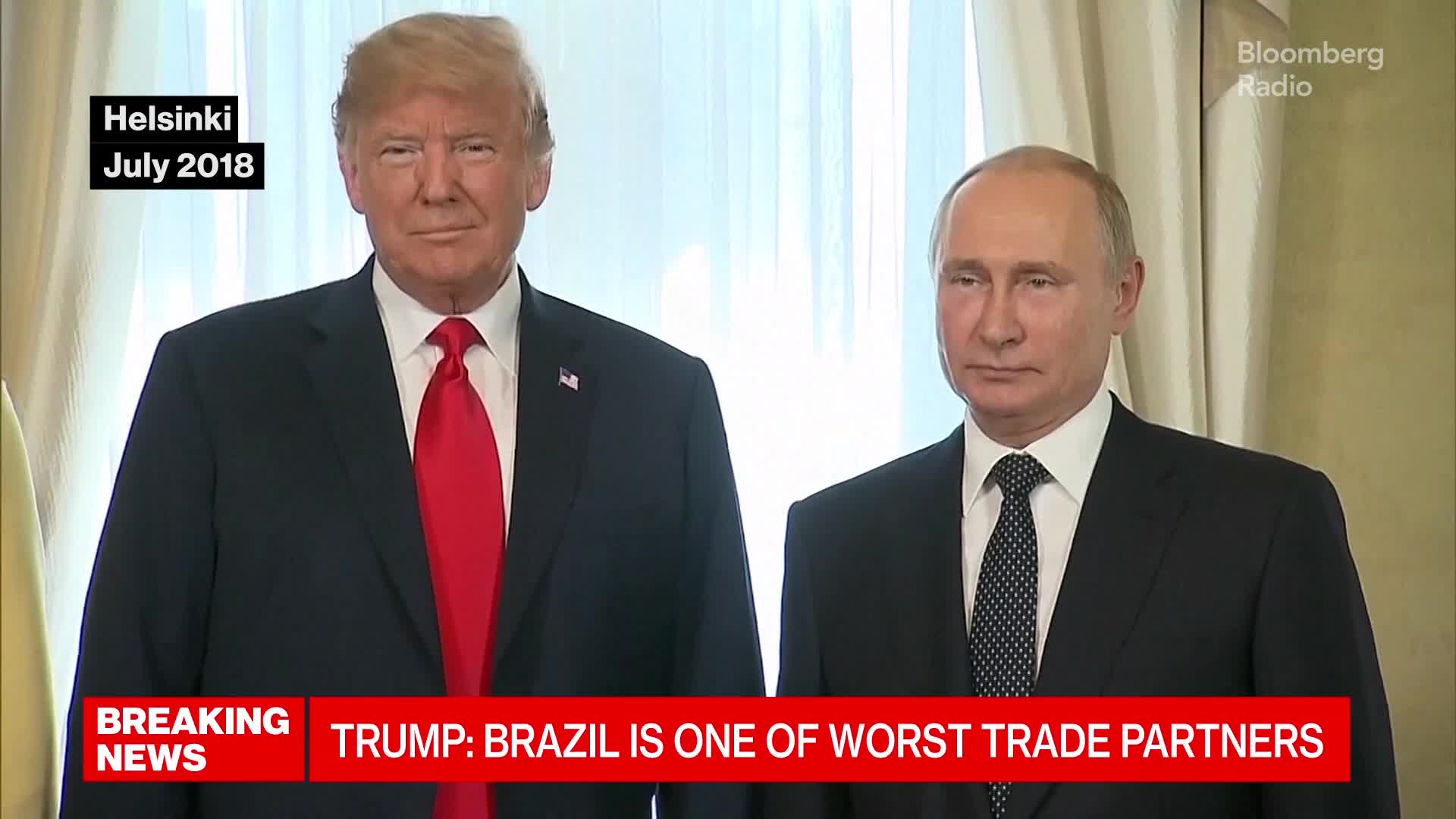
Ahead of their summit, Russian President Vladimir Putin praised US efforts in Ukraine and expressed readiness for a new arms control treaty. Conversely, President Trump is tempering expectations for a breakthrough, reportedly influenced by past perceived embarrassments. The exclusion of Ukrainian President Zelenskiy from the talks has alarmed Kyiv’s allies, highlighting geopolitical sensitivities and potential limitations for the summit's outcomes.
The upcoming US-Russia summit presents a landscape of conflicting signals and significant geopolitical uncertainty. On one hand, Russian President Vladimir Putin has adopted a conciliatory tone, praising US efforts to end the conflict in Ukraine and expressing readiness to negotiate a new arms control treaty. This suggests a potential pathway for de-escalation. On the other hand, President Trump is actively tempering expectations for a breakthrough, a stance influenced by the political repercussions of a past meeting with Putin. This introduces a domestic political variable that could constrain diplomatic progress. A critical point of friction is the exclusion of Ukrainian President Volodymyr Zelenskiy from the talks, which has alarmed Kyiv's allies and casts doubt on the viability and legitimacy of any potential agreements concerning the conflict. The overall situation is therefore fragile, with the potential for a positive diplomatic outcome offset by internal US political dynamics and significant allied concerns, justifying the mixed sentiment and uncertain outlook.
AI-powered research, real-time alerts, and portfolio analytics for institutional investors.
Request DemoOverall Sentiment
mixed
Sentiment Score
-0.10
