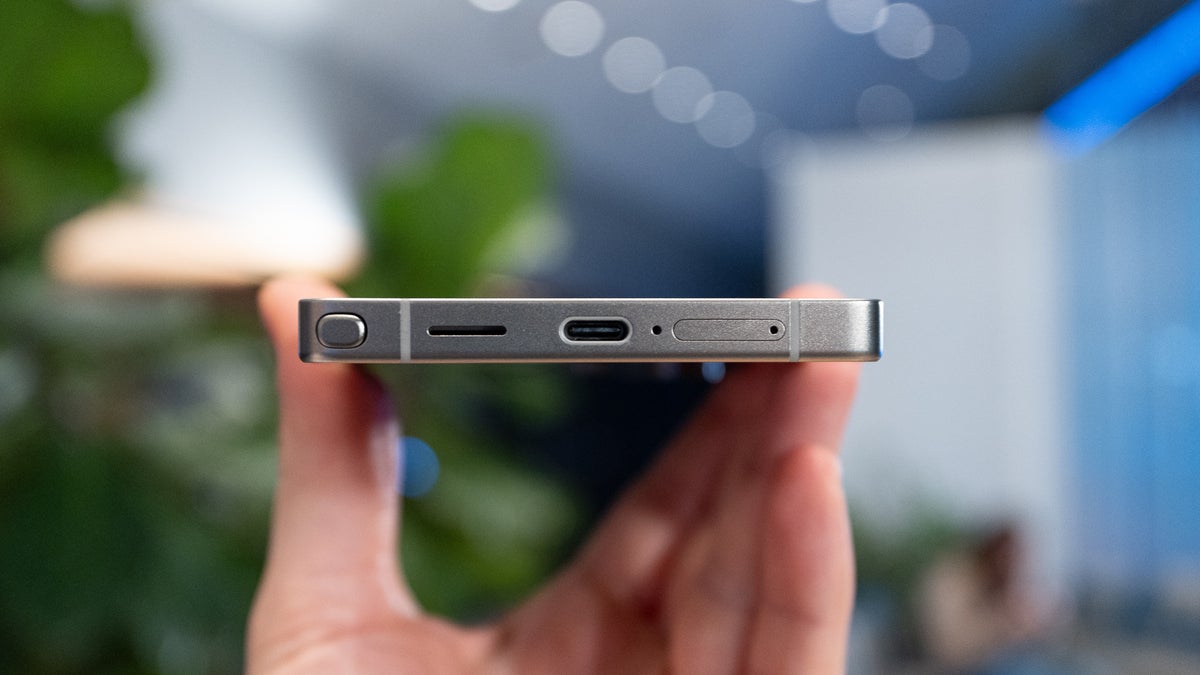
The Galaxy S27 Ultra and possibly the Galaxy S27 Pro are expected to be among the first devices to adopt UFS 5.0, which could nearly double storage speeds to 10.8GB/s from 5.8GB/s on UFS 4.0. Samsung may limit UFS 5.0 to higher-end S27 variants because of memory price and supply constraints, while the base model may stay at 128GB and the Ultra at 256GB minimum. The article is largely speculative and frames the upgrade as a meaningful performance boost, but not necessarily a must-have for most users.
The real signal here is not “faster phones,” but a deliberate bifurcation of the premium Android stack: Samsung is likely using the storage upgrade as a margin-preserving feature gate to protect the Ultra/Pro ASP ladder while keeping entry models price-competitive. That matters because storage is one of the few specs consumers can verify in the channel, so it becomes a clean justification for upselling without relying solely on camera or display gimmicks. If this rolls out as expected, competitors that standardize UFS 5.0 across the line will likely take a near-term gross-margin hit unless they offset it with lower BOM elsewhere.
The second-order effect is on component demand, not handset demand. UFS 5.0 adoption is more likely to be a selective, premium-only catalyst in the first 6-12 months, which means memory vendors benefit unevenly: top-tier handset wins can support pricing, but the constrained rollout suggests the broader market is still fragile and Samsung is actively managing inventory risk. The more interesting medium-term implication is that “AI phone” claims become less credible without storage throughput, so software vendors and OEMs may need to shift marketing from compute to end-to-end memory bandwidth as the differentiator.
Consensus may be overestimating how quickly this becomes table stakes. Historically, launch buzz around a new storage standard does not translate into broad adoption until the following upgrade cycle, which implies the trading window is more about halo effects and component sentiment than unit growth. If smartphone replacement cycles remain stretched, consumers will not pay up for peak storage speed unless it is bundled with a visible battery, camera, or AI capability improvement.
The main risk to this thesis is that memory pricing spikes further, forcing even tighter feature gating or a delayed launch; that would cap any near-term upside for supply-chain beneficiaries. Conversely, if rivals bypass Samsung on UFS 5.0 adoption or ship it earlier across more models, Samsung’s premium messaging could lose exclusivity faster than expected, compressing the uplift window to a single product cycle.
AI-powered research, real-time alerts, and portfolio analytics for institutional investors.
Request DemoOverall Sentiment
neutral
Sentiment Score
0.10
