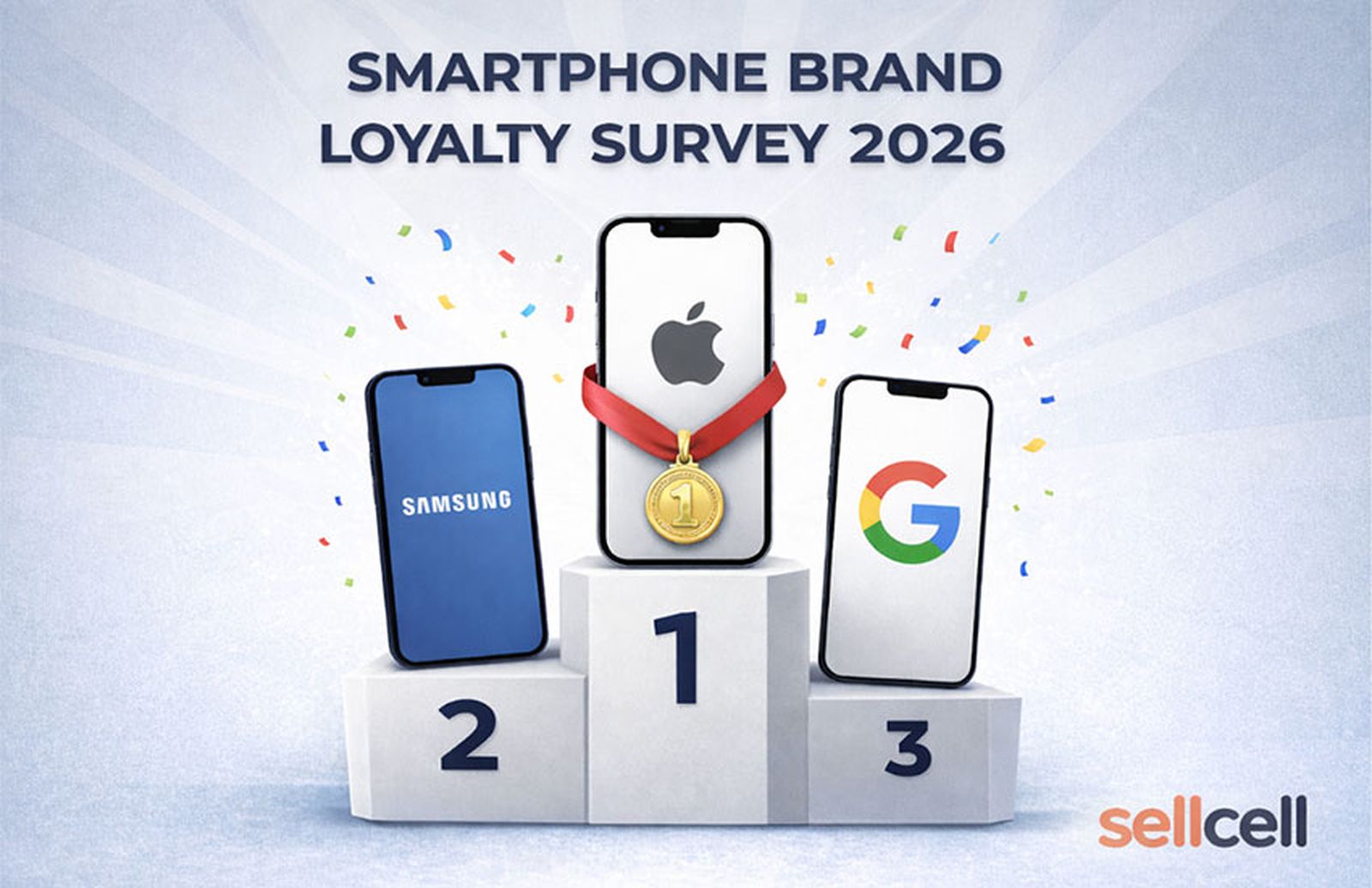
SellCell’s survey shows iPhone loyalty at 96.4% for the next upgrade, up from 91.9% in 2021 and 90.5% in 2019, while Android loyalty trails at 86.4%. Among iPhone switchers, 69.7% would move to Samsung and 20.2% to Google; 26.8% of Android switchers would choose an iPhone. The data is supportive for Apple’s brand strength and ecosystem stickiness, but it is survey-based and unlikely to move shares materially on its own.
The key read-through is not just brand strength, but pricing power durability. When retention is this high, the upgrade cycle becomes less elastic to feature differentiation and more dependent on ecosystem friction, which supports AAPL’s gross margin stability even if unit growth remains modest. That matters because the next leg of upside is less likely to come from sheer volume and more from higher attach rates across services, wearables, storage, and financing.
The second-order winner is Apple’s installed-base monetization flywheel; the survey implies that a larger share of the customer base is effectively captive, which should reduce churn risk in a slower handset market and make incremental product launches more efficient at driving wallet share. For Android, the more important implication is fragmentation: Samsung still captures most defections, but Google’s share of switchers suggests the premium Android pool is not fully defensible, which pressures OEMs to spend more on promotions and ecosystem incentives to avoid share leakage.
The contrarian point is that extremely high loyalty can be a double-edged sword. It reduces near-term downside, but it also raises the bar for upside surprises because expectations for Apple ecosystem stickiness are already elevated; if a product cycle disappoints or upgrade urgency remains weak, the stock can still underperform on multiple compression despite stable retention. For GOOGL, any benefit is indirect and probably slower-moving: better switching propensity into its ecosystem is supportive, but not enough by itself to offset the broader competitive moat Apple has in premium consumer electronics.
Near term, this is a sentiment and positioning tailwind for AAPL rather than a fundamental inflection by itself. The stock should be viewed as a quality compounder with lower churn risk over 6-12 months, but the cleaner trade is to own it on pullbacks or via call spreads into product/event windows rather than chase on survey headlines.
AI-powered research, real-time alerts, and portfolio analytics for institutional investors.
Request DemoOverall Sentiment
mildly positive
Sentiment Score
0.20
Ticker Sentiment
