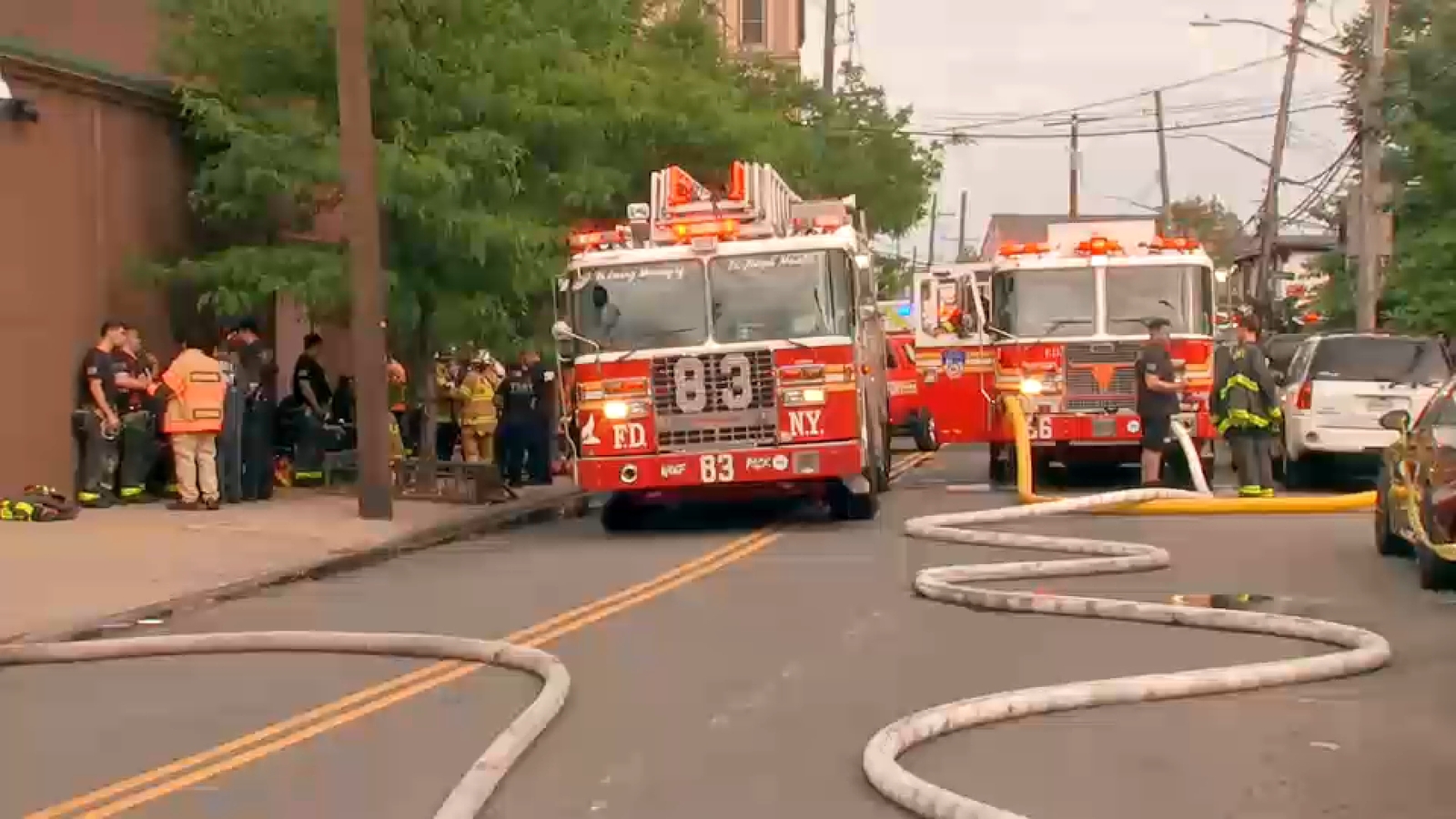
A Staten Island shipyard fire and explosion killed 1 worker and injured dozens, including 34 FDNY members and Fire Marshal Christopher Cuccaro, who is in critical condition. The blast involved multiple explosions at 3075 Richmond Terrace and prompted a major rescue operation in a confined dockside structure. The incident is a serious safety and regulatory event, but it is likely to have limited direct market impact.
This is less a single-site tragedy than a reminder that confined-space industrial work has a fat-tailed liability profile that markets tend to underprice until a headline forces re-rating. The immediate second-order effect is not on the shipyard itself, but on every contractor touching aging port, dock, and repair infrastructure: expect more aggressive safety audits, work stoppages, and permit friction over the next several weeks. That creates a near-term drag on throughput for local marine-services operators and any logistics chain relying on just-in-time waterfront maintenance.
The more important market channel is insurance and litigation. Events like this typically push municipal and specialty commercial liability pricing higher at the next renewal cycle, while reinsurers with exposure to casualty aggregates can see a step-up in loss reserves if investigations uncover contractor negligence, fuel vapors, or code violations. Over a 3-12 month horizon, the losers are less the public agencies and more the private entities adjacent to the incident: ship repair, marine construction, and industrial safety services may face higher bids, slower project awards, and tougher indemnification terms.
The contrarian read is that the equity impact is likely to be very localized unless investigators find a repeatable failure mode tied to a broader industrial segment. In other words, this is probably a micro-event for public markets, but a macro signal for private market underwriting: ports, terminals, and shipyards are underinvested relative to their hazard profile, so capex on monitoring, ventilation, and explosion suppression should accelerate. If that happens, the beneficiaries are the vendors selling detection, PPE, and industrial automation rather than the operators themselves.
AI-powered research, real-time alerts, and portfolio analytics for institutional investors.
Request DemoOverall Sentiment
extremely negative
Sentiment Score
-0.85
