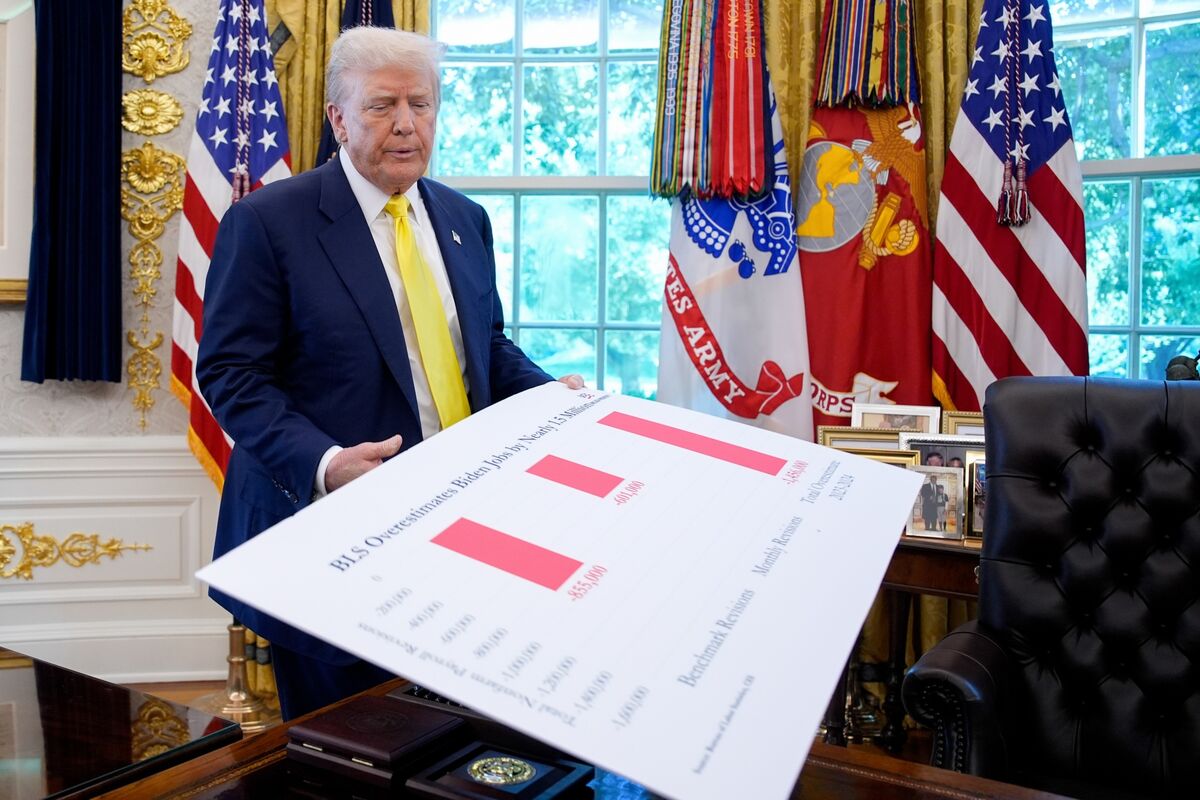
The Bureau of Labor Statistics (BLS), responsible for key US jobs and inflation data, faces a significant staffing crisis with one-third of its high-level leadership positions vacant. This substantial vacancy rate, despite the temporary filling of the commissioner role, raises concerns for institutional investors regarding the agency's capacity to maintain the accuracy and timeliness of crucial economic statistics.
The Bureau of Labor Statistics (BLS) is facing a significant operational risk due to a severe leadership vacuum, with one-third of its high-level management positions currently vacant. This staffing crisis within the agency responsible for producing critical U.S. economic data, such as employment and inflation statistics, introduces a material risk to the integrity and timeliness of these market-moving releases. While the commissioner role is temporarily filled, the broad vacancies across statistical oversight and regional operations raise concerns about the agency's capacity for robust data collection, analysis, and quality control. For institutional investors, this internal governance issue at a key government data provider represents a potential source of increased uncertainty and volatility in economic indicators that are fundamental inputs for macroeconomic models and Federal Reserve policy expectations.
AI-powered research, real-time alerts, and portfolio analytics for institutional investors.
Request DemoOverall Sentiment
moderately negative
Sentiment Score
-0.40
