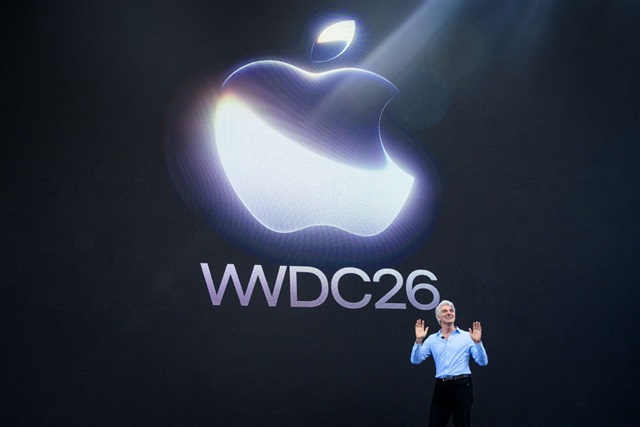
Apple is stepping up Siri’s AI capabilities, a development analysts say should lift memory chip demand. The likely beneficiaries highlighted are Samsung Electronics and SK Hynix, with the article suggesting higher shipments and improved pricing for suppliers. The piece is largely forward-looking and upbeat for the AI hardware supply chain, though it contains no hard financial figures.
The market is likely underappreciating how much AI feature depth on-device changes the bill of materials, not just the headline handset narrative. If Siri becomes materially more capable, Apple will need more memory bandwidth and capacity across a broader installed base, which should tighten demand for mobile DRAM and NAND even before a full replacement cycle shows up. That creates a second-order winner set: memory vendors and module suppliers benefit disproportionately, while OEMs without similar premium AI differentiation risk getting trapped in a price/spec race.
The key dynamic is that this is a supply-chain pressure story disguised as a software upgrade story. Apple can absorb higher component costs because it retains pricing power, but suppliers will fight to pass through value, and the real upside accrues to the most constrained node in the stack rather than the most visible brand. If AI features require a larger local memory footprint, that also pushes some demand away from cloud inference and toward edge compute, which is structurally supportive for device makers but potentially negative for hyperscaler capex efficiency over time.
The contrarian view is that the near-term read-through may be too linear. A richer Siri does not automatically mean an immediate unit surge; consumers often wait for the next hardware refresh, so the revenue impact for suppliers may lag by 2-4 quarters. The bigger risk to the thesis is execution slippage: if Apple’s AI experience feels incremental rather than must-have, memory intensity rises but replacement demand does not, leaving the supply chain with only a modest ASP benefit instead of a full-volume inflection.
From a positioning standpoint, the setup favors being long the enabling semis rather than chasing Apple beta. The best risk/reward is to own the component winners into the next product-cycle window and fade any knee-jerk move in AAPL if the market is already capitalizing a strong upgrade supercycle. Watch for a sharper re-rating only if Apple signals a materially higher device memory spec or an AI feature set that forces an install-base refresh within 6-9 months.
AI-powered research, real-time alerts, and portfolio analytics for institutional investors.
Request DemoOverall Sentiment
mildly positive
Sentiment Score
0.35
Ticker Sentiment
