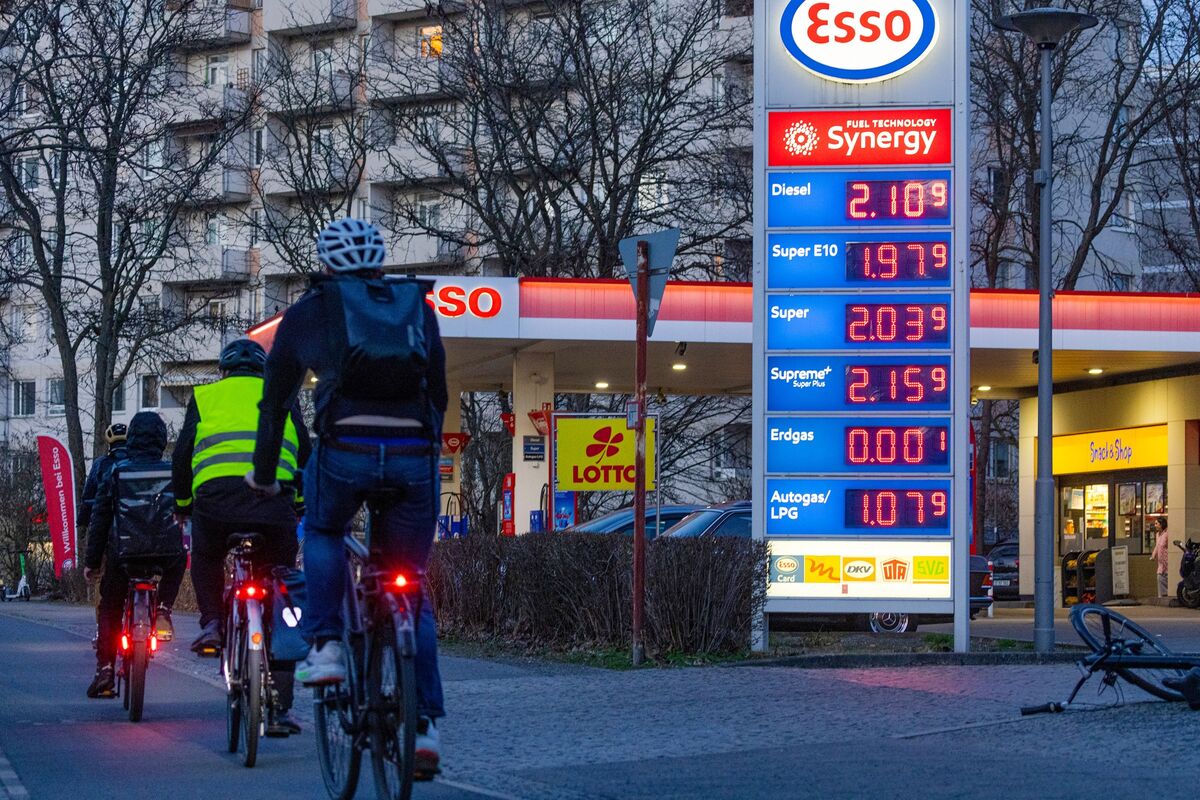
EU states have committed more than €10 billion ($11.7 billion) to cushion consumers and businesses from the energy-price shock triggered by the Iran war. Bruegel says nearly four-fifths of the measures are poorly targeted, including blanket tax cuts, and some conflict with European Commission guidance that aid should be temporary and not stoke demand. Spain accounts for almost half of the total support, with Germany the second-largest spender.
The market is likely underestimating how inefficient fiscal cushioning can be inflationary rather than stabilizing. When governments throw broad-based transfers at an energy shock, they keep demand artificially elevated just as supply remains constrained, which can prolong elevated gas/power prices and pressure European inflation prints for several more quarters. That creates a second-order loser set: discretionary retailers, travel/leisure, and rate-sensitive cyclicals that depend on consumers trading down less than expected.
The bigger winner is not consumers but upstream and infrastructure-linked assets with pricing power and balance-sheet insulation. European utilities with hedged generation, LNG import/logistics, and regulated networks should outperform merchant-exposed peers because policy mistakes tend to preserve consumption while not fixing molecule availability. Conversely, energy-intensive industrials face a margin squeeze if aid props up end-demand but does nothing to reduce input costs; this is especially acute for chemicals, metals, and paper where operating leverage works against them over a 2-6 month horizon.
The contrarian read is that the headline aid number may be bullish for the euro zone’s growth prints in the next quarter, but bearish for valuation quality because it raises sovereign funding needs without improving productivity. That can steepen fiscal-risk premia in peripherals and complicate ECB easing assumptions if energy-driven inflation proves sticky. The cleanest tradeable implication is to fade the demand-side beneficiaries of stimulus and prefer assets that profit from sustained European energy tightness rather than a quick normalization.
Tail risk is political escalation: if the conflict broadens or shipping insurance/route disruptions persist, the aid becomes a bridge to an even larger shock, not a fix. If, however, gas storage remains comfortable and spot prices roll over, the market may quickly price out the inflation impulse and reverse the underperformance in consumer cyclicals within 1-2 months. The key catalyst set is incoming CPI, PMIs, and any revisions to fiscal packages that replace blanket aid with targeted support.
AI-powered research, real-time alerts, and portfolio analytics for institutional investors.
Request DemoOverall Sentiment
moderately negative
Sentiment Score
-0.35
