
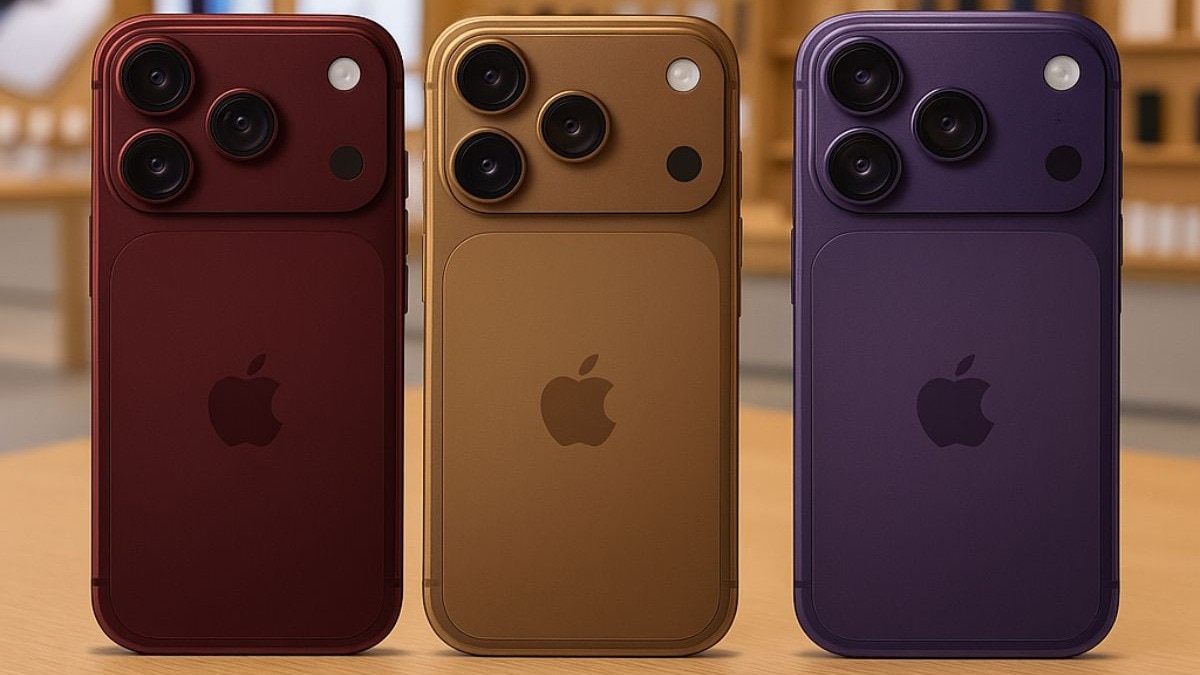
Apple’s iPhone 18 Pro is expected to launch in September 2026 with incremental but meaningful upgrades: a new A20 chip on a 2nm process, a variable-aperture camera system, a stacked sensor, and potentially a larger Pro Max battery above 5,000mAh. Rumored design changes are limited, but a smaller Dynamic Island and new color options, including deep red/burgundy, could support consumer interest. The article also suggests improved 5G connectivity via a new C2 modem and hints at Apple’s first foldable iPhone alongside the Pro lineup.
The setup looks incrementally positive for AAPL, but the market impact is likely to be more about mix and cadence than headline unit growth. A materially better camera stack, stronger battery life, and a cleaner AI/performance story support premium-tier attach rates and reduce upgrade friction, which matters more than a flashy redesign in a mature handset cycle. The bigger second-order effect is on component suppliers with exposure to advanced imaging, packaging, and modem content; if Apple is genuinely shifting more value into hardware differentiation, the bill of materials per device should rise even if unit growth stays modest.
The most important commercial implication is product segmentation. A stronger Pro/Pro Max proposition can widen the gap versus base models and pull demand forward from users who were previously waiting for a “meaningful enough” reason to upgrade, but it also risks cannibalizing future cycles if too much of the upgrade stack is front-loaded into 2026. A larger battery and more advanced silicon also help Apple preserve pricing power in a smartphone market where consumers are increasingly buying on perceived utility rather than novelty.
The contrarian read is that expectations may be too anchored to feature count and underappreciate timing risk. If the foldable and the standard model rollout are staggered, Apple could end up concentrating investor enthusiasm into a narrow launch window while leaving a longer-term gap in the broader iPhone franchise narrative. The key risk is that several of these enhancements are still rumor-dependent; if the final device is mostly iterative, sell-side estimates for upgrade intensity and gross margin mix could be too optimistic into the event.
From a trading perspective, this is better expressed as a relative-value idea than a directional home run. The stock can drift higher into launch, but the cleaner opportunity is likely in suppliers exposed to premium content per device and in short-volatility structures if the market has already priced in a ‘best iPhone in years’ outcome. The catalyst window is months, not days: near-term chatter can support sentiment, but actual earnings benefit would only show up after channel sell-through and holiday demand data.
AI-powered research, real-time alerts, and portfolio analytics for institutional investors.
Request TrialOverall Sentiment
moderately positive
Sentiment Score
0.35
Ticker Sentiment
