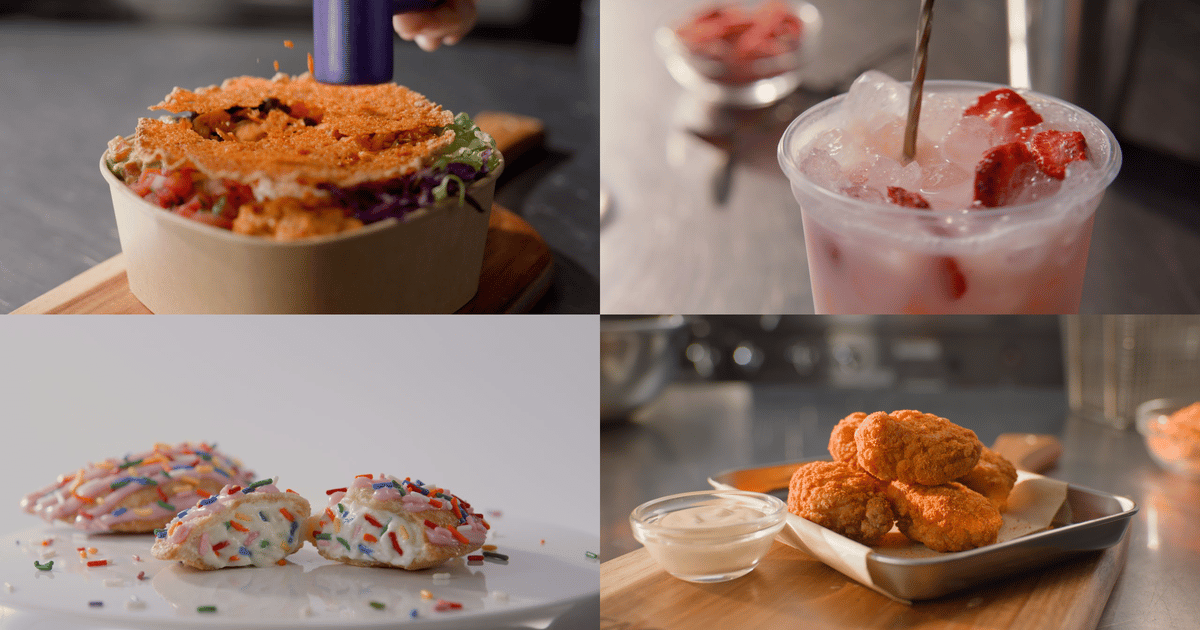
Taco Bell unveiled at least 14 new menu items set to debut this year, signaling ongoing product innovation in QSR. Wendy’s and Pizza Hut are piloting programs to hire customers for menu feedback — a novel strategy with upside for menu alignment but material execution risk. Rising gasoline prices tied to the war in Iran present a downside risk to restaurant traffic and consumer spend, while Starbucks’ move to a tiered loyalty model has triggered customer backlash that could weigh on comps. Monitor same-store-sales and traffic for Yum! Brands, Restaurant Brands, Wendy’s and Starbucks for potential low-single-digit share moves if trends worsen.
Higher fuel and macro squeeze scenarios create a discrete elasticity shock for casual dining that tends to compress frequency faster than ticket; the immediate beneficiaries are operators with high drive-thru penetration, franchised capital-light models, and tightly managed limited menus because they scale down to lower-income discretionary spend more efficiently. Expect a 4–8 week pulse in visit frequency if gasoline sustains a $0.50–$1.00/gal jump over baseline, concentrated in lower-income and suburban ZIP codes where average ticket and promotional sensitivity are highest.
Loyalty program changes introduce a different cadence risk: initial churn and negative sentiment can depress comp traffic for 1–3 quarters, but latency to revenue impact is longer because stored balances and behavioral inertia cushion the hit. Key near-term catalysts that can reverse the trend are rapid reinstatement of perceived value (targeted reward accelerators within 30 days) or visible rollback of structural devaluation; absent that, expect sequential SSS (same-store sales) misses in the next two reported quarters and a potential 3–7% EPS downside for retailers with concentrated US exposure.
Consensus underestimates heterogeneity: brands with superior telemetry (digital order share >30%, AOV growth, and flexible menu engineering) can monetize a downgrade in physical traffic by raising digital share and margin per order. Positioning should therefore be asymmetric — hedge the loyalty/traffic downside in large-cap names while selectively long franchised operators and software/service vendors that capture share from manual operators over 6–12 months.
AI-powered research, real-time alerts, and portfolio analytics for institutional investors.
Request DemoOverall Sentiment
mixed
Sentiment Score
0.00
Ticker Sentiment
