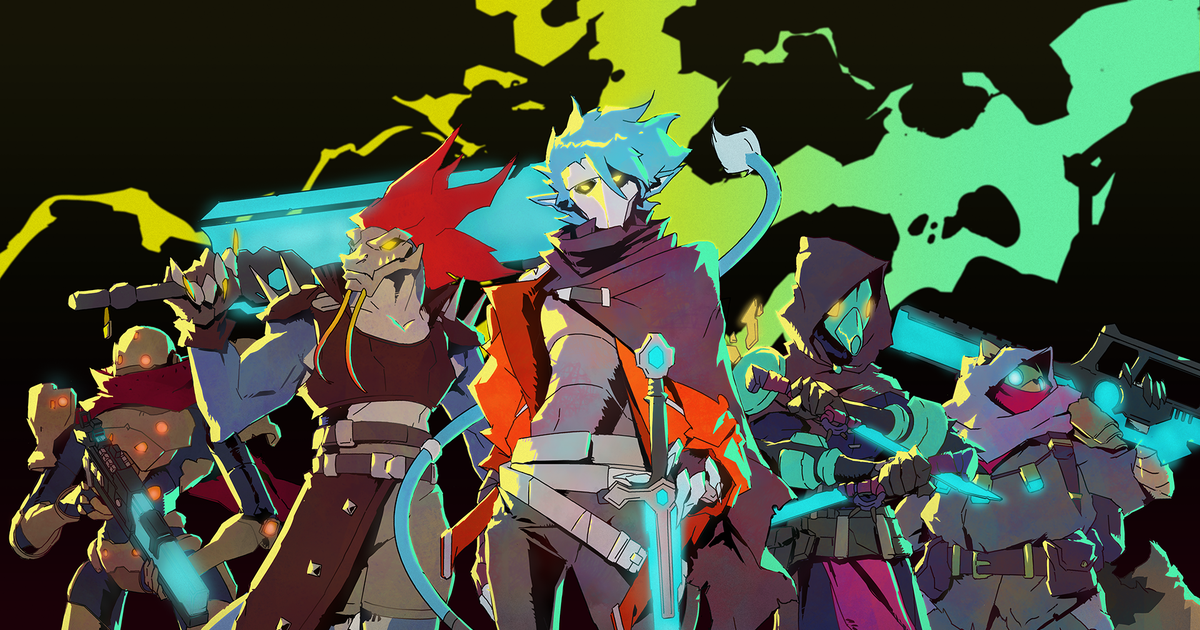
13 staff at Heart Machine formed a wall-to-wall bargaining unit that the studio voluntarily recognized, organized with the CWA. The studio has completed three rounds of layoffs (including an undisclosed cut in 2024 and another wave 13 months later, plus layoffs 12 days before the Possessor(s) release), which may complicate first-contract negotiations and product staffing. Voluntary recognition reduces immediate adversarial risk but signals continued sector labor momentum; impact on financials and timelines should be limited near term.
Rising unionization in small game studios is shifting the industry cost curve from variable, project-based expenses toward higher baseline labor costs. Expect headline SG&A and gross margin pressure at smaller independent developers of roughly 150–300bps over 12–24 months as collective bargaining standardizes pay/benefits and reduces the ability to use low-cost contract labor for peak development phases. This will accelerate consolidation: buyers with balance-sheet flexibility can arbitrage those higher fixed costs by rolling up studios, compressing buyer competition and raising strategic value for large platform holders.
For platform owners and large publishers, the dynamic is a content scarcity arbitrage — fewer high-quality indie releases free up capital to bid for sought-after IP and studios, and also increases the marginal utility of recurring-revenue products (subscriptions/DLC). Near-term, expect a modest increase in M&A activity and a reallocation of game-development economics toward longer-duration monetization models, which benefits entities that control distribution and subscription stacks. Regulatory and integration execution risk are the primary offsets to that upside over 6–24 months.
Operationally, bargaining timelines create short windows of release and patch risk: collective negotiations or contract ratification processes can produce 1–6 week slippages or slower post-launch support, which disproportionately impacts smaller studios that rely on timely releases for cash flow. That elevates options-implied volatility around scheduled launches and earnings for mid-cap publishers, creating tactical trading opportunities. Over a multi-year horizon, though, reduced attrition and fewer crunch cycles could improve product quality and lengthen franchise lifecycles, offsetting some margin pressure and making the long-term impact closer to neutral than consensus pain narratives suggest.
The contrarian angle is that market reaction focused on cost increases overlooks the stabilizing value of retained institutional knowledge and better morale post-recognition. If churn falls materially (we model a drop from 20% to ~12% annualized in key dev roles), per-title development productivity could rise enough to offset 50–70% of the raw wage inflation, improving long-run ROIC for studios that reach a stable contract quickly.
AI-powered research, real-time alerts, and portfolio analytics for institutional investors.
Request DemoOverall Sentiment
mixed
Sentiment Score
0.00
Ticker Sentiment
