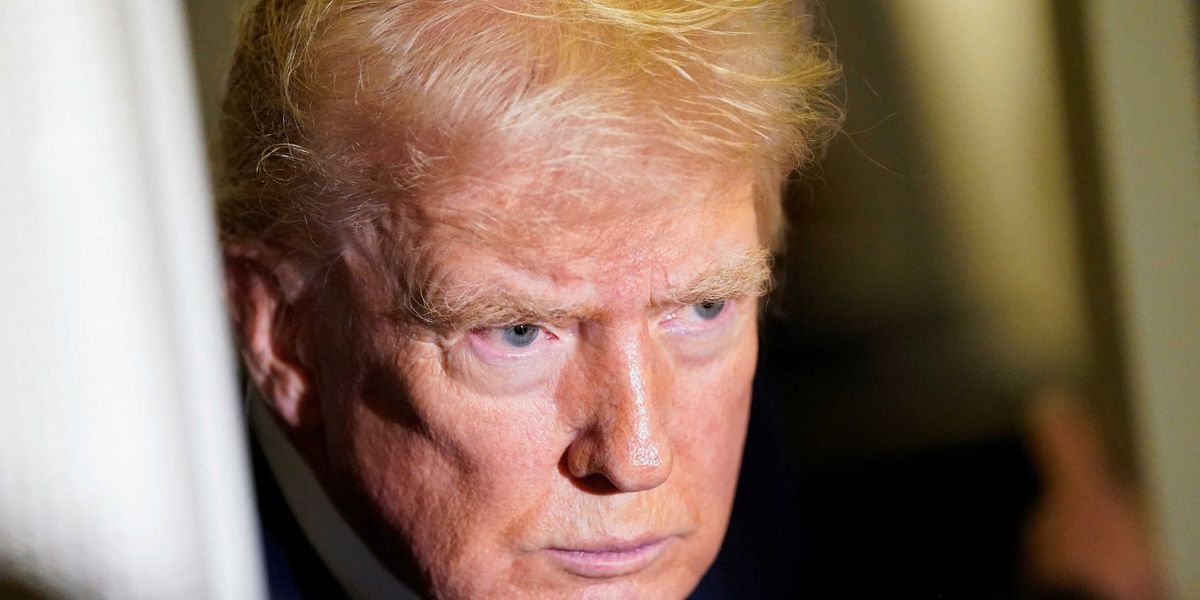
The article says Iran still retains roughly 50% of its ballistic missile stockpile, about 60% of its naval Revolutionary Guard arm, and around two-thirds of its air force remains operational, despite Trump and Hegseth claiming Operation Epic Fury destroyed its military capacity. It also says Iranian gunboats attacked commercial ships in the Strait of Hormuz and that the waterway is effectively closed, pushing global oil prices higher. If accurate, the report implies a major mismatch between White House claims and battlefield reality, with significant implications for oil markets and regional security.
The market implication is not simply higher geopolitical risk; it is a regime shift from a one-off shock to a persistent maritime tax on global trade. If Hormuz remains intermittently contested, the first-order winners are not just upstream energy producers but also any asset tied to scarcity pricing, tanker utilization, and defense logistics, while the losers are refiners, airlines, shippers, and chemicals with high feedstock pass-through lag. The more important second-order effect is that even a partial closure forces buyers to rebuild inventories, which can keep prompt crude and freight volatility elevated long after headline conflict risk fades.
The intelligence gap matters because the asset-price response will be nonlinear: markets initially price ceasefire/rhetoric, then reprice on evidence that launch systems, fast boats, and missile inventories remain functional. That argues for a volatile, stair-step upward path in energy rather than a straight line, with sharp rallies on each disruption followed by shallow pullbacks as supply remains physically constrained. The longer the Strait remains effectively unusable, the more this becomes a working-capital and routing problem for the entire Eurasian import complex, which should start showing up in insurance, freight rates, and regional inflation expectations within days to weeks.
The biggest underappreciated risk is policy complacency: if investors assume the U.S. will quickly “declare success” and de-escalate, they may be underpricing the chance of repeated tit-for-tat attacks that keep the corridor impaired for months. Conversely, a credible diplomatic channel, a verifiable missile pause, or a corridor security guarantee could unwind part of the move quickly, so this is a tradeable volatility event rather than a clean secular thesis. The contrarian view is that the market may already understand the military damage was incomplete, but still be underestimating how much more expensive it is to restore shipping confidence than it is to damage hardware.
AI-powered research, real-time alerts, and portfolio analytics for institutional investors.
Request TrialOverall Sentiment
strongly negative
Sentiment Score
-0.78
