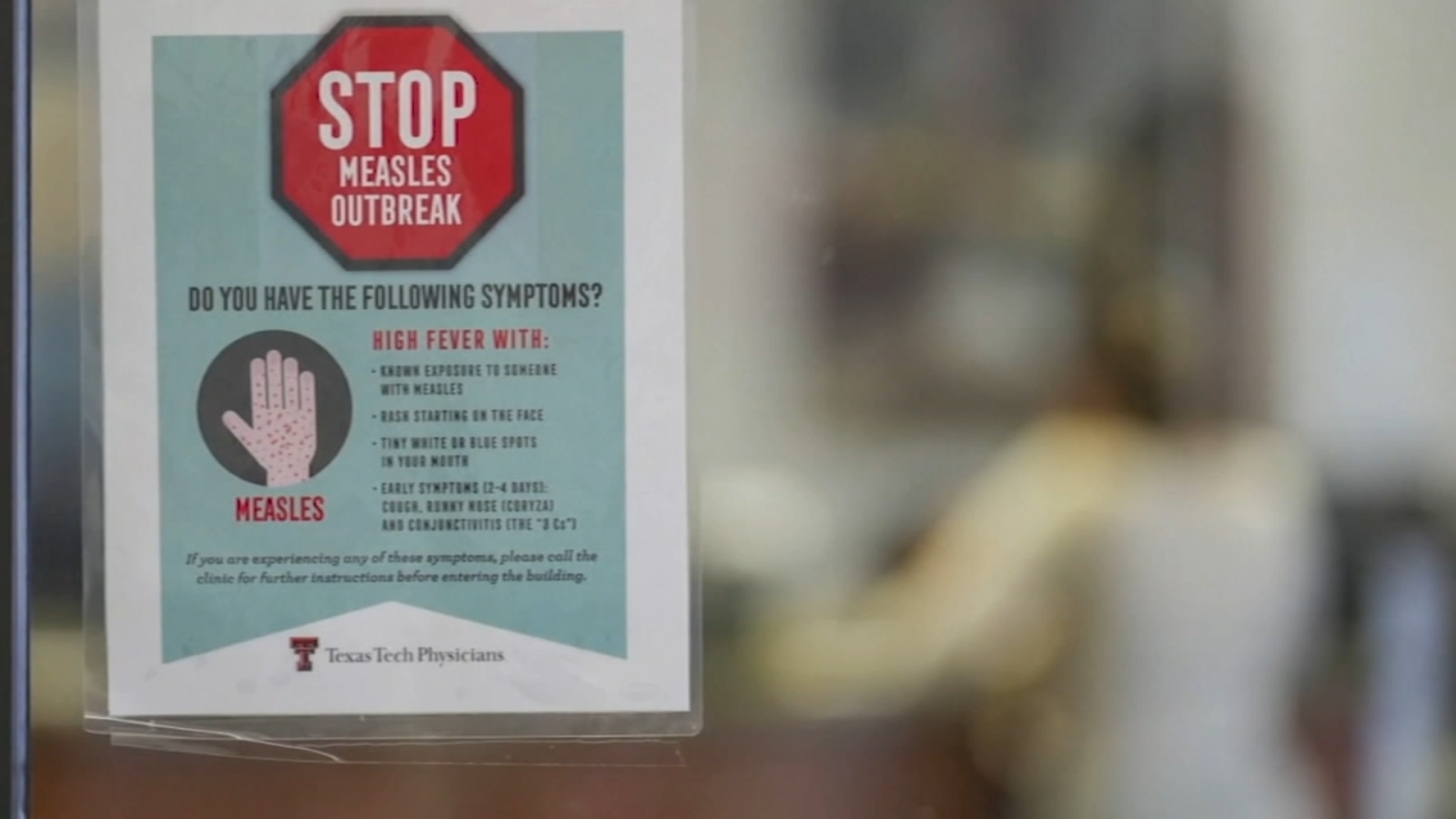
A confirmed measles case in a Santa Clara County resident triggered public exposure warnings after the individual visited SFO's international terminal on June 8 and later multiple San Jose grocery stores. Public health officials said vaccinated residents are well protected, but unvaccinated people who were exposed are at high risk and should monitor for symptoms for up to 21 days. The article is primarily a public health notice rather than a market-moving event.
The immediate market impact is not the disease itself but the operational friction around travel nodes and high-traffic retail. Even a handful of confirmed exposures can produce a short-lived demand air pocket for airport concessions, TSA-adjacent retail, rental cars, and same-day local consumer trips as households temporarily avoid crowded indoor venues; the effect is usually measured in days to a couple of weeks unless authorities broaden quarantines or a secondary cluster emerges. The asymmetry is that downside is concentrated in exposed geographies while the probability of a broader regional slowdown remains low given existing immunity, so this is more of a micro-shock than a macro event.
The second-order risk is staffing and absenteeism rather than headline case counts. Schools, healthcare systems, food retail, and logistics operators with large hourly workforces are the most vulnerable to precautionary call-outs, especially if employees are uncertain about exposure status or vaccination history. That can create localized fulfillment delays and overtime costs, which matters more for thin-margin operators than for large chains with flexible labor pools and stronger public-health protocols.
From a competitive lens, this reinforces a modest bid for healthcare services and diagnostic capacity without implying a durable outbreak trade. If cases stay isolated, the beneficiaries are limited to short-term testing, urgent care, and perhaps vaccine/immune globulin demand; if contact tracing widens, there is a brief positive read-through for broader healthcare utilization but also a negative read-through for air travel sentiment and urban foot traffic. The key catalyst to watch over the next 7-21 days is whether any secondary transmission appears outside the initial exposure window; that would shift the event from a headline risk into a real consumer-behavior and staffing issue.
The contrarian view is that the market may overestimate contagion risk and underappreciate the speed with which these scares fade once no chain transmission is found. In a high-immunity environment, the more durable effect is not lost revenue but incremental compliance spending on cleaning, screening, and sick-leave policies. That makes the best trade a tactical volatility expression rather than a directional macro bet.
AI-powered research, real-time alerts, and portfolio analytics for institutional investors.
Request DemoOverall Sentiment
moderately negative
Sentiment Score
-0.20
