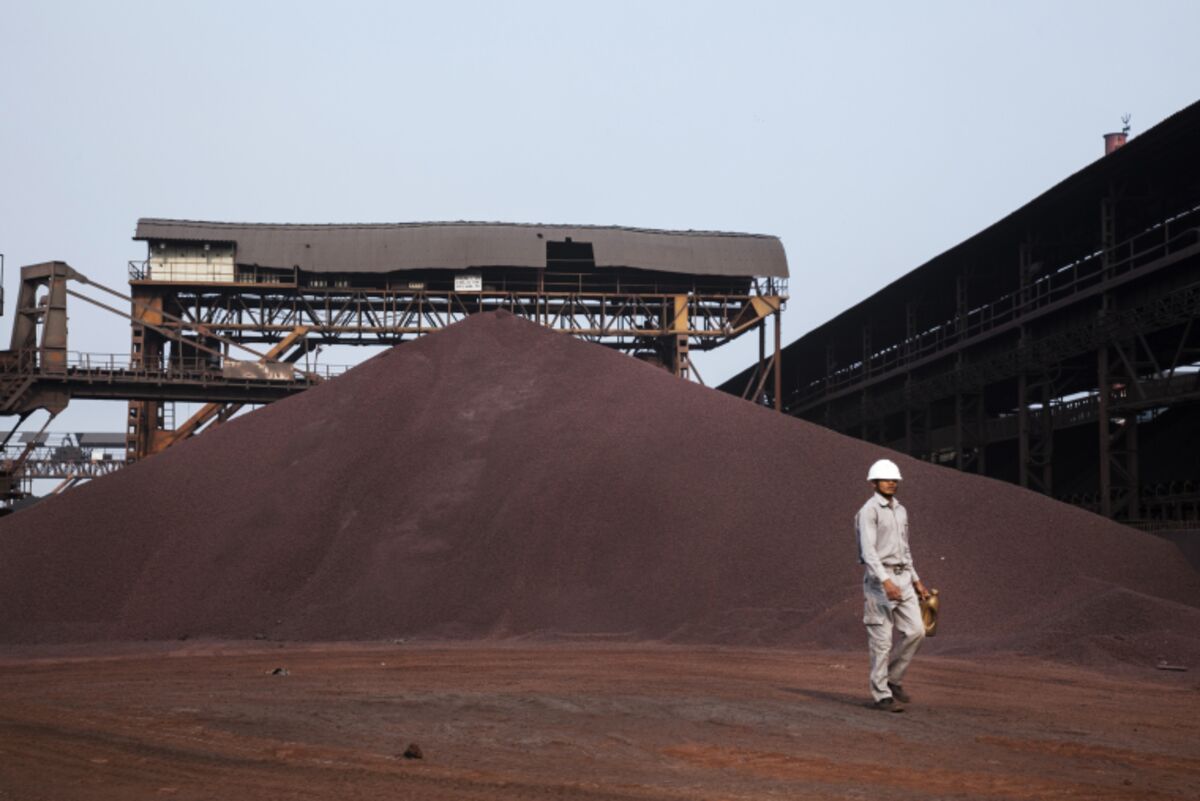
Iron ore prices are nearing their highest close since May, surpassing $96 a ton for a second consecutive weekly gain, driven by China's renewed commitment to supply-side reform. Beijing's pledge to curb outdated industrial capacity is boosting expectations for the steel market, as reduced oversupply is anticipated to positively impact steel-mill margins and, consequently, raw material prices.
Iron ore futures are experiencing a significant upward trend, posting a second consecutive weekly gain and trading above $96 a ton, which positions the commodity for its highest closing price since May. The primary catalyst for this rally is a renewed policy focus from Beijing on supply-side reform within its industrial sector. China's leadership has explicitly vowed to curb outdated industrial capacity, a move the market interprets as a precursor to a more disciplined and profitable steel industry. This anticipated reduction in steel oversupply is expected to directly enhance steel-mill margins, thereby supporting stronger demand and pricing for essential raw materials like iron ore. The market's optimistic reaction, reflected in a positive sentiment score of 0.7, indicates a strong conviction that these regulatory actions will successfully tighten the market.
AI-powered research, real-time alerts, and portfolio analytics for institutional investors.
Request DemoOverall Sentiment
Positive
Sentiment Score
0.70
