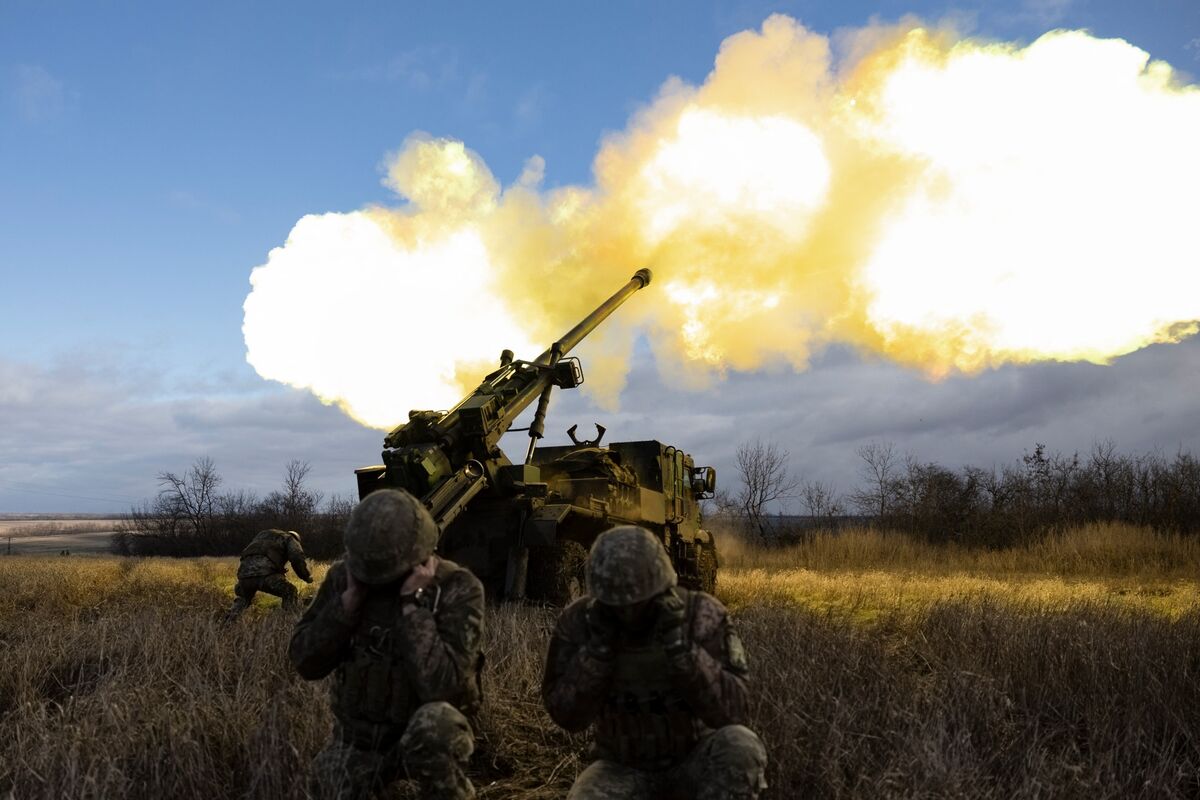
The Russia-Ukraine conflict is now in its fourth year, with any potential peace deal, including those pursued by Donald Trump, facing a significant impediment. The core obstacle to a resolution stems from the fundamental disagreement between Vladimir Putin and Volodymyr Zelenskiy over Russia's persistent claims on Ukrainian territory, underscoring the deep-seated nature of the war and the complexity of achieving a lasting peace.
The Russia-Ukraine conflict is now in its fourth year, representing a persistent source of geopolitical instability with no clear resolution in sight. The central obstacle to a peace settlement, including potential diplomatic interventions by figures like former US President Donald Trump, remains the fundamental disagreement over Russia's territorial claims on Ukraine. This core issue creates a structural impasse between the Russian and Ukrainian leadership, suggesting that the conflict is likely to remain protracted. For investors, this translates to a long-term geopolitical risk factor rather than a short-term, event-driven market catalyst, as underscored by the neutral sentiment and low market impact score of this update.
AI-powered research, real-time alerts, and portfolio analytics for institutional investors.
Request DemoOverall Sentiment
neutral
Sentiment Score
0.00
