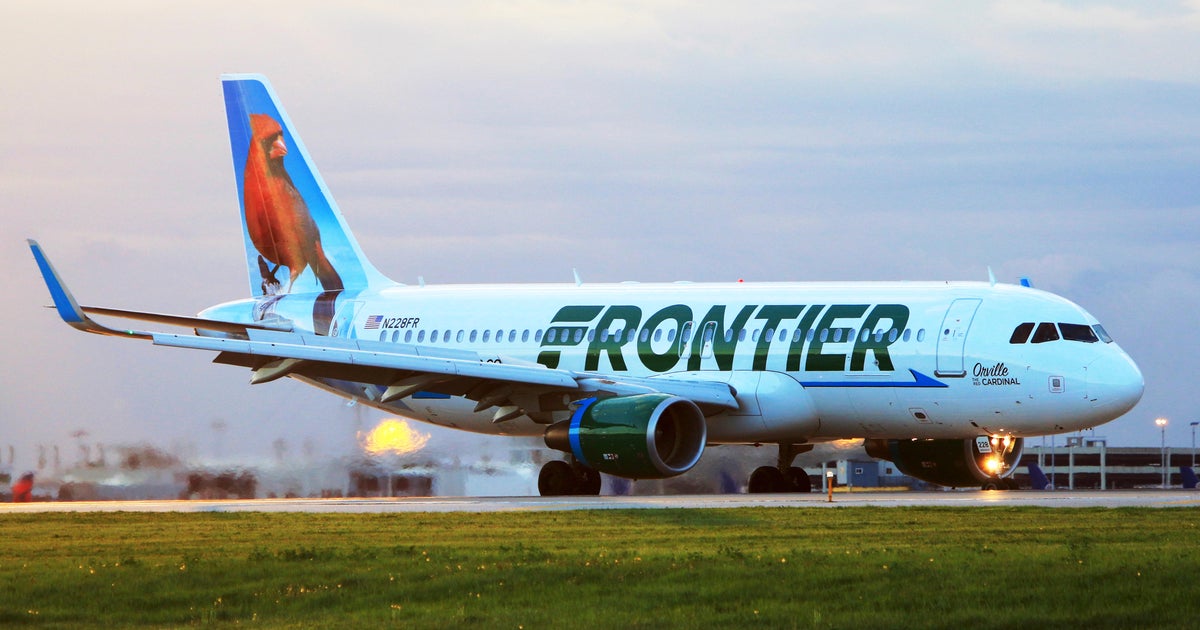
A Frontier Airlines flight struck a pedestrian on the runway during departure from Denver International Airport, prompting an emergency evacuation via inflatable slides and a reported engine fire/smoke in the cabin. Frontier said none of the 224 passengers or 7 crew members were injured, but the condition of the person hit was not immediately known. The airline is investigating with the NTSB, and the runway will remain closed during the probe.
This is a near-term sentiment shock for ULCC, but the bigger market issue is not the one-off incident itself — it is the combination of operational disruption, heightened scrutiny, and a likely step-up in insurance and legal reserves. In airlines, these events typically hit multiples before they hit reported earnings, because investors immediately price in a higher probability of schedule irregularity, regulatory pressure, and premiumization of risk assumptions. The runway closure also creates a small but real network effect: even a localized incident can ripple into crew positioning, aircraft rotation, and same-day recovery costs across the broader hub system.
Second-order winners are less obvious than the loser. Denver-based airport ops and perimeter-security vendors may see renewed attention, especially around airside access controls, runway intrusion detection, and surveillance upgrades. Over a 3-12 month horizon, this can support demand for airport infrastructure and security capex, while airlines with better operational redundancy and stronger balance sheets are relatively insulated versus highly levered discount carriers. The market often underestimates how much a single safety headline can widen the valuation gap between premium carriers and ULCCs, because the latter have less pricing power to pass through any incremental cost burden.
The key risk is that this becomes a multi-week narrative if regulators or investigators identify process failures rather than a pure anomaly. If the incident is framed as an airfield-control breakdown, the overhang can persist for months through additional scrutiny, litigation discovery, and tighter operating procedures that raise unit costs. Conversely, if facts quickly support a truly isolated event and disruption normalizes, the stock reaction can retrace part of the move, but the legal-risk premium is unlikely to disappear quickly.
Consensus may be overfocusing on the immediate headline risk and underweighting the structural read-through: low-cost carriers are more vulnerable to any increase in fixed safety/compliance costs because their model depends on extreme cost discipline. Even a modest step-up in insurance and operational buffers can compress margins disproportionately. The best contrarian trade is not to short the whole airline complex, but to own the beneficiaries of higher airport security capex while staying underweight the most operationally fragile carrier segment.
AI-powered research, real-time alerts, and portfolio analytics for institutional investors.
Request DemoOverall Sentiment
strongly negative
Sentiment Score
-0.60
Ticker Sentiment
