
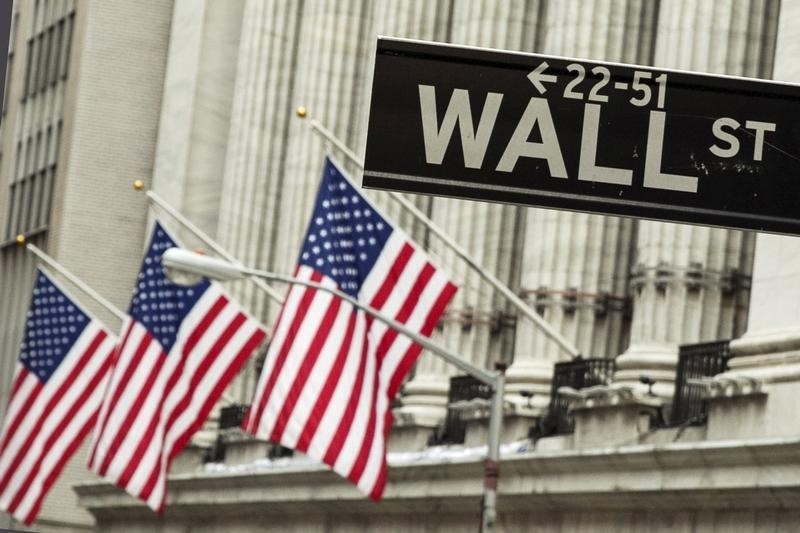
U.S. futures were modestly higher, with S&P 500 futures up 0.2%, Nasdaq 100 futures up 0.5%, and Dow futures up 0.1% as markets tracked hopes for a U.S.-Iran peace deal. The article also highlights continued AI optimism in technology stocks, while noting a cooling in chipmaker momentum and a separate U.S. move to block Nvidia AI chip sales to Chinese firms outside China. This week’s key catalyst is Friday’s nonfarm payrolls report after softer April PCE inflation and a lower Q1 GDP revision.
The headline risk for NVDA is not the near-term revenue line from China itself; it is the signal that the policy regime is tightening from product-level controls to channel-level controls. If enforcement extends to non-China entities that simply route chips through foreign subsidiaries, the market should start discounting a slower effective monetization rate on every incremental export approval, which matters more for valuation than the direct sales hit. That also favors domestic Chinese inference alternatives and non-U.S. silicon vendors, because procurement teams will increasingly optimize for supply-chain survivability rather than raw performance.
Second-order, this is a margin and mix problem before it is a unit-volume problem. Any forced reallocation away from the highest-performance SKUs into friendlier jurisdictions could compress NVDA’s realized ASPs and complicate inventory planning for the next 1-2 quarters, especially if cloud and enterprise customers pull forward orders ahead of potential restrictions. The broader AI complex may initially shrug it off because demand is still tight, but the market will eventually distinguish between AI capex that is economically scalable versus AI capex that is geopolitically financeable.
The contrarian read is that the selloff risk may be front-loaded while the business impact arrives with a lag, creating an opportunity in relative value rather than outright direction. The more important catalyst is not the first announcement, but whether allies coordinate similar controls and whether Beijing responds with retaliatory rules on critical minerals or datacenter components. If that happens, the trade shifts from NVDA-specific to a cross-border hardware tax on the entire semiconductor supply chain, with a longer duration and a more negative multiple effect on the group.
AI-powered research, real-time alerts, and portfolio analytics for institutional investors.
Request TrialOverall Sentiment
neutral
Sentiment Score
0.08
Ticker Sentiment
