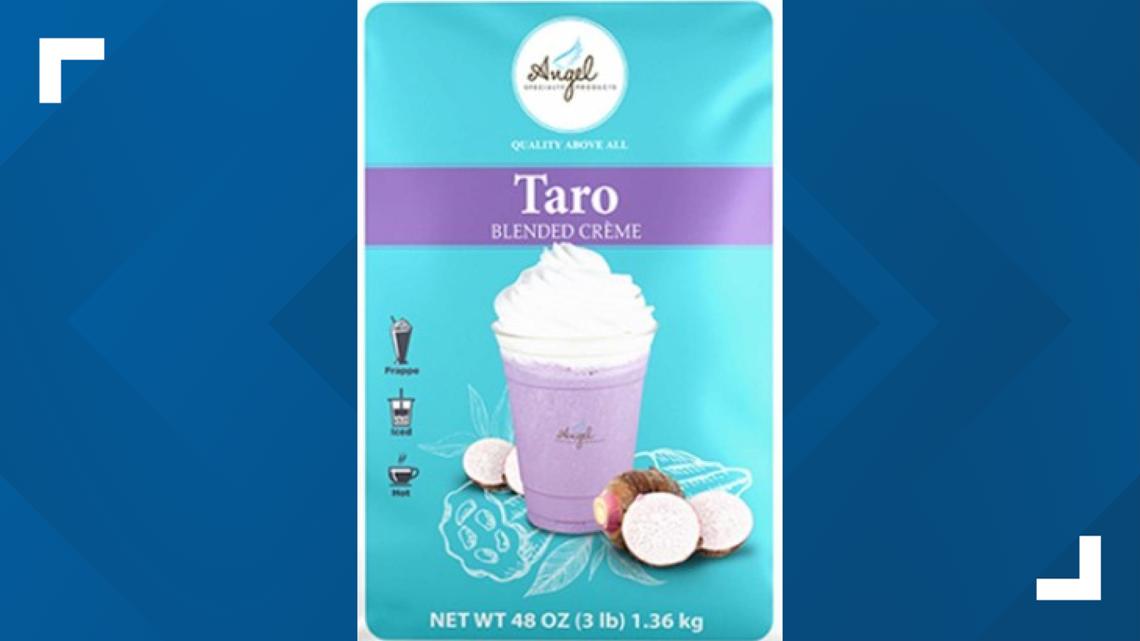
SKS Copack recalled a variety of specialty drinks sold in 25 states after a milk powder ingredient was linked to possible salmonella contamination. No illnesses have been reported, but consumers are being told to return affected products for a full refund. The recall spans multiple brands and product codes, reflecting a broader supply-chain issue tied to a California Dairies milk powder recall.
This is a classic second-order supply chain event: the direct revenue hit to SKS Copack and the branded drink makers is likely modest, but the reputational spillover can persist longer than the recall itself. The bigger economic effect is on wholesale beverage ingredient channels, where buyers will temporarily de-risk by dual-sourcing milk powder, dairy bases, and premixes, creating a short window of incremental share for competitors with cleaner traceability and domestic inventory buffers.
The market should focus less on the absence of reported illnesses and more on the fact pattern: repeated recalls tied to an upstream powder input tend to trigger broader procurement audits across cafes, restaurant chains, and specialty beverage distributors. That can pressure reorder velocity for affected product families for 1-2 quarters even after the recall is resolved, especially in categories where consumer trust is fragile and substitution is easy.
For public equities, the most relevant exposure is not the private label brands but adjacent names in dairy ingredients, food safety testing, and cold-chain/distribution. If this evolves into a wider regulatory inquiry, the downside is a step-up in compliance costs and inventory write-downs for smaller beverage operators; if it stays isolated, the selloff should fade quickly because this is a product-specific event rather than a category-wide demand shock. The setup favors short-duration, event-driven trades rather than medium-term fundamental shorts.
The contrarian angle is that the market may overestimate the durability of the headline risk: specialty beverage consumption is highly habitual, and consumers usually revert once the affected SKUs are replaced. The more durable loser is likely the upstream supplier network with weaker quality control, while better-capitalized competitors can win shelf space and foodservice slots during the substitution period.
AI-powered research, real-time alerts, and portfolio analytics for institutional investors.
Request DemoOverall Sentiment
moderately negative
Sentiment Score
-0.35
Ticker Sentiment
